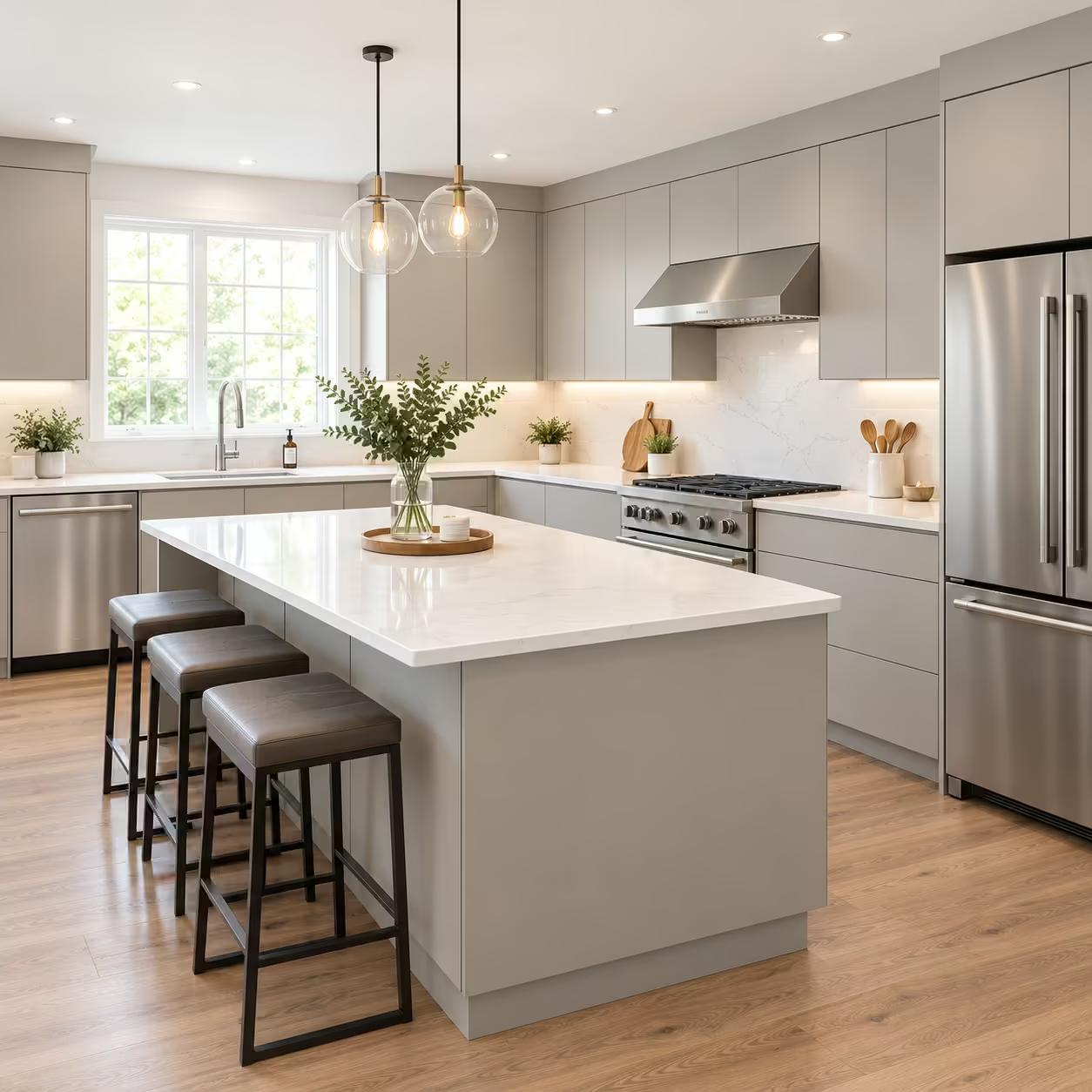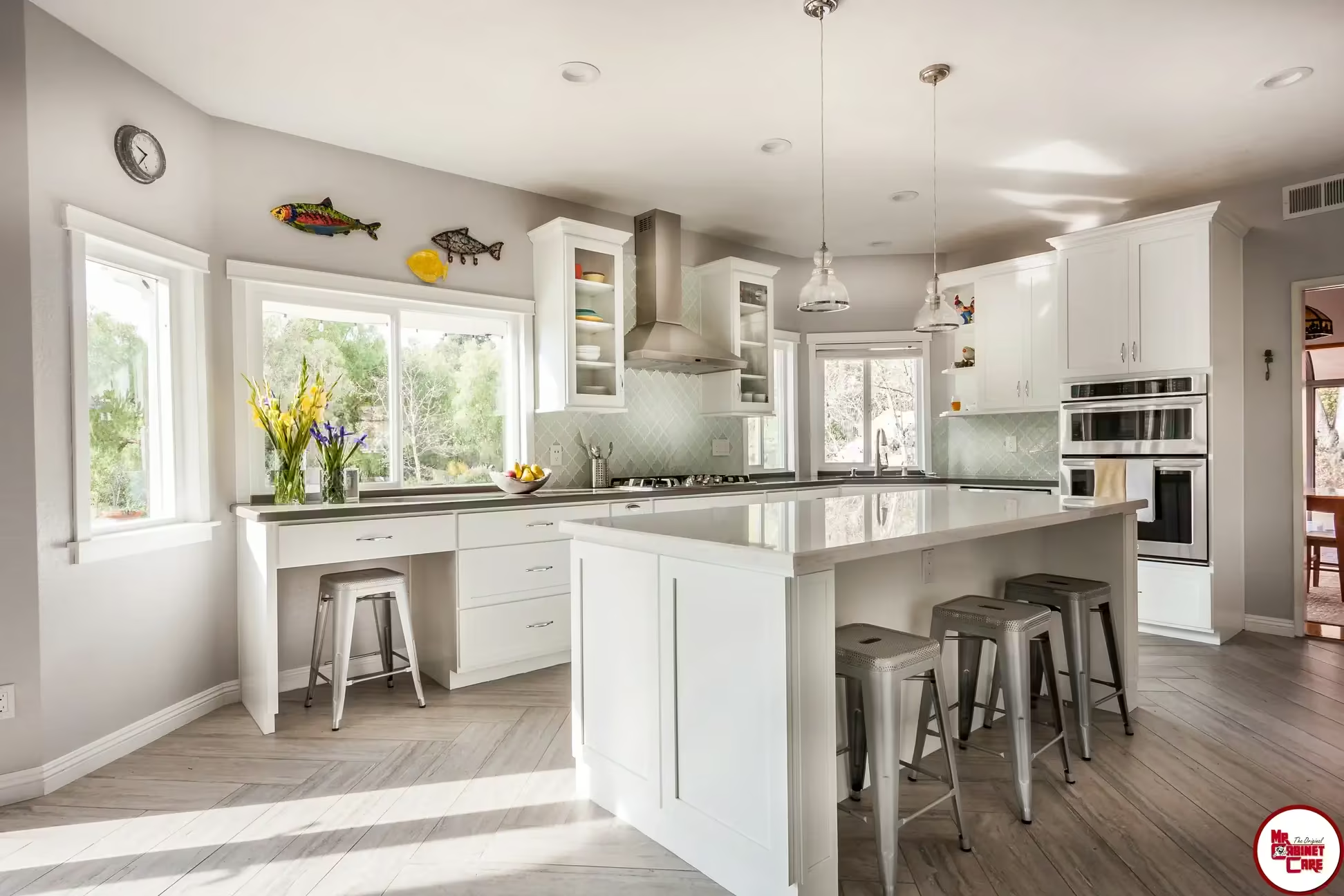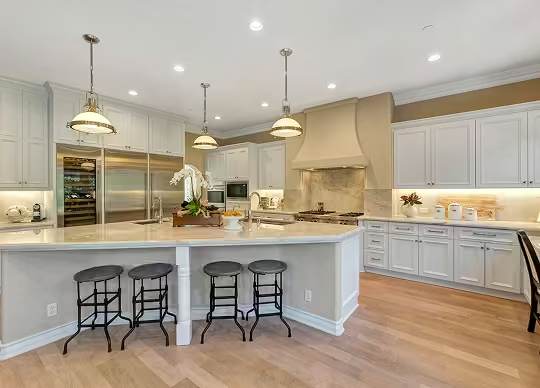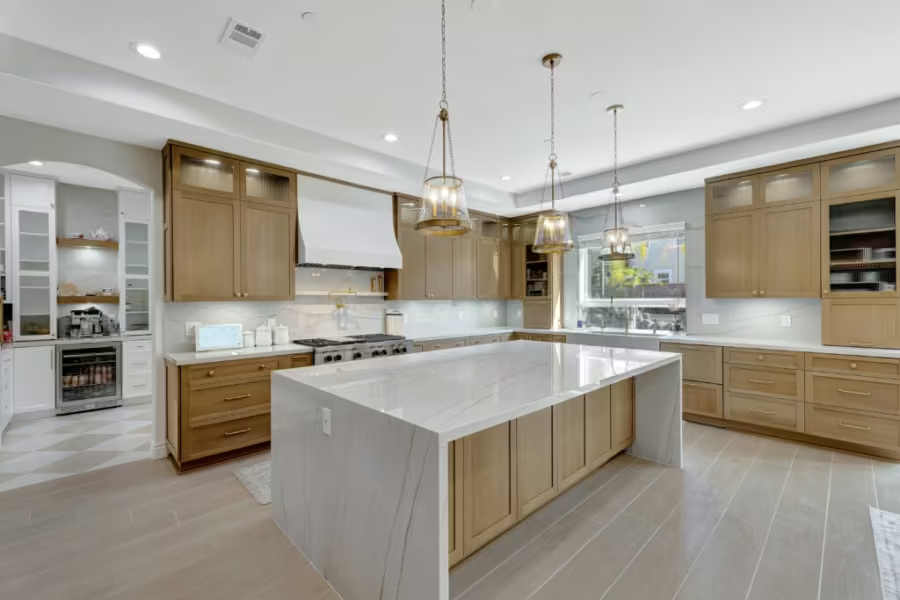
A kitchen can become less practical long before it looks outdated. Limited storage, an inefficient layout, aging appliances, poor lighting, or worn surfaces can make everyday tasks more difficult.
A kitchen renovation gives homeowners an opportunity to address those issues while updating the appearance of the space. Depending on the scope, the benefits can include better functionality, more storage, improved comfort, greater efficiency, updated safety features, and stronger resale appeal.
The right approach depends on what is no longer working and how you use your kitchen every day.
What are the Main Advantages of a Kitchen Renovation?
A well-planned kitchen renovation can provide several practical benefits:
- Better Functionality: Improve the layout, workflow, and available workspace.
- More Storage: Add cabinets, drawers, pantry space, and organizers that fit your needs.
- Greater Comfort: Create more room to cook, move, gather, and complete everyday tasks.
- Improved Safety: Address outdated lighting, electrical components, flooring, ventilation, and appliance placement.
- Better Efficiency: Upgrade appliances, lighting, and plumbing fixtures where appropriate.
- Updated Appearance: Replace worn finishes and create a more cohesive look.
- Potential Resale Appeal: A functional, well-maintained kitchen can be an important consideration for future buyers.
Not every renovation needs to address all of these areas. The most useful improvements are usually the ones that solve the problems you experience most often.
How Can a Kitchen Renovation Improve Daily Function and Comfort?
An inefficient kitchen can create small frustrations that add up over time. You may have to walk repeatedly between the refrigerator and prep area, work around poorly placed appliances, or deal with too little countertop space.
A renovation can improve the way the kitchen works by adjusting elements such as:
- Cabinet and drawer placement.
- Countertop workspace.
- Appliance locations.
- Islands and peninsulas.
- Sink and faucet placement.
- Lighting.
- Work and storage zones.
The best layout depends on how the kitchen is used. Someone who cooks frequently may need more uninterrupted prep space, while a household that regularly hosts guests may benefit from additional seating and a better connection between the kitchen and surrounding living areas.
When the layout, storage, and workspace work together, everyday tasks can feel more organized without requiring unnecessary additions. For more extensive layout changes, a kitchen remodeling service can help determine which improvements make sense for the space.
Can Renovating a Kitchen Improve Storage?
More cabinets do not always mean better storage. A renovation can make existing space more useful by matching storage solutions to the items you actually use.
Depending on the kitchen, improvements may include:
- Deep drawers for cookware and everyday items.
- Pull-out organizers for lower cabinets.
- Corner storage solutions.
- Pantry cabinets.
- Vertical storage for trays and cutting boards.
- Dedicated areas for small appliances.
- Cabinet interiors designed around specific storage needs.
For example, frequently used cookware may be easier to access from drawers near the cooking area, while pantry items can be grouped together in a dedicated cabinet.
If your existing cabinets are limiting storage or no longer suit the way you use the kitchen, updating the kitchen cabinets can be one of the most practical parts of a renovation.
Can a Kitchen Renovation Improve Safety and Energy Efficiency?
A kitchen renovation can also address features that affect safety, resource use, and everyday convenience.
Depending on the age and condition of the kitchen, improvements may include:
- Better task and general lighting.
- Updated electrical components.
- Safer, more practical flooring.
- Improved ventilation.
- More appropriately positioned appliances.
- Energy-efficient appliances.
- LED lighting.
- Water-efficient faucets.
Replacing an older appliance with a more efficient model may reduce energy or water use, although the overall benefit depends on the product, usage, and installation. Likewise, improved ventilation can help manage cooking heat, moisture, smoke, and odors.
Electrical, plumbing, ventilation, and structural work should be evaluated and completed according to applicable requirements and by qualified professionals when necessary.
Can a Kitchen Renovation Increase Home Value?
A kitchen renovation can contribute to a home’s resale appeal, but there is no guaranteed return on every improvement.
Prospective buyers may pay attention to practical features such as:
- Overall kitchen condition.
- Cabinet storage and condition.
- Countertop quality and condition.
- Appliance age and condition.
- Layout and available workspace.
- Lighting.
- Ease of maintenance.
- Consistency of materials and finishes.
If selling the home is a future priority, it can make sense to focus on improvements that address visible wear, outdated functionality, or common usability concerns rather than highly personalized features.
A renovation should ultimately make sense for the homeowner’s current needs, with potential resale value considered as one factor rather than the sole reason for making changes.
How Can You Renovate a Kitchen Without Rebuilding Everything?
A kitchen renovation does not always require replacing every component. If the existing layout and some major elements are still working well, targeted updates may be enough.
Depending on the condition of the kitchen, you may be able to:
- Keep the existing floor plan.
- Reface or replace cabinet doors.
- Upgrade countertops.
- Replace appliances.
- Update lighting and hardware.
- Install a new backsplash.
- Replace flooring.
- Improve storage within existing cabinetry.
For example, cabinets with sound boxes may be suitable for refacing if their layout still works. On the other hand, poor circulation, insufficient storage, or outdated plumbing and electrical systems may justify a more extensive remodel.
The scope should be based on the condition of the kitchen and the problems you want to solve, rather than assuming a complete replacement is necessary.
How Should You Plan a Kitchen Renovation?
Start with the problems you want the renovation to solve rather than choosing products first. Consider:
- What is not working? Identify the biggest issues with the current kitchen.
- What needs to change? Separate essential improvements from features that would simply be nice to have.
- How much work is required? Determine whether the project involves cosmetic updates, new cabinetry and surfaces, or changes to the layout and systems.
- What materials and features fit the space? Choose finishes, fixtures, appliances, and storage solutions based on durability, maintenance, and how the kitchen will be used.
- What systems need attention? Consider electrical, plumbing, lighting, ventilation, and other behind-the-wall requirements before finalizing the design.
- What is the overall scope? A clear scope makes it easier to coordinate the work and avoid unnecessary changes later.
Planning around actual needs helps keep the renovation focused and makes it easier to decide where the budget should go.
What is the Difference Between Kitchen Renovation and Remodeling?
The terms renovation and remodeling are often used interchangeably, but they can describe different levels of work.
A kitchen renovation generally focuses on updating or improving an existing space. This might include replacing cabinets, countertops, flooring, appliances, lighting, or other finishes without significantly changing the layout.
A kitchen remodel can involve more substantial changes, such as reconfiguring the floor plan, moving plumbing or electrical connections, removing walls, or changing the location of major kitchen components.
There is no universal distinction between the two terms, so the actual scope of work matters more than the label. For a closer comparison, see Kitchen Renovation vs. Kitchen Remodeling.
Final Thoughts
The benefits of a kitchen renovation depend on what the existing space is missing. For some homeowners, the priority may be better storage. For others, it may be an inefficient layout, limited workspace, outdated appliances, or worn finishes.
Rather than trying to change everything at once, start by identifying the parts of the kitchen that create the most frustration. Those priorities can help determine which improvements are worth making and whether a targeted renovation or more comprehensive remodel is the better fit.