


Choosing the Best Stain-Resistant Kitchen Countertops
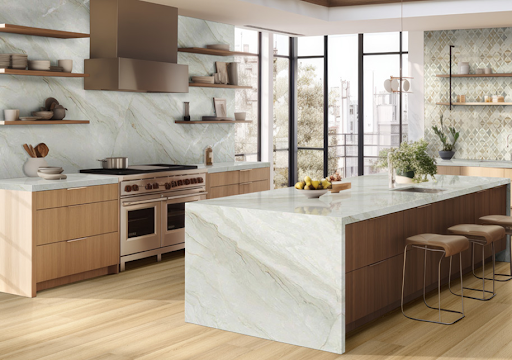
When it comes to kitchen countertops, stain resistance can make all the difference in long-term maintenance and appearance. From everyday cooking spills to accidental messes, your surfaces take a beating. That’s why selecting a material that stands up to stains while still matching your aesthetic is a smart move.
This guide covers the top stain-resistant countertop materials, their pros and cons, and expert tips to help you choose the right fit for your kitchen.
Why Stain Resistance Matters
Kitchen countertops are high-traffic, high-use surfaces. Materials that resist staining can:
- Keep your kitchen looking newer longer.
- Minimize maintenance and upkeep.
- Resist discoloration from oils, wine, sauces, and acidic foods.
- Save money on repairs or replacements.
If you entertain often or cook daily, stain resistance isn’t just a nice-to-have, it’s a necessity.
Top Stain-Resistant Countertop Materials
1. Quartz
It is an engineered stone that’s one of the most stain-resistant options available.
- Non-porous surface resists absorption of liquids.
- No need for sealing.
- Available in many colors and patterns.
- Low maintenance.
Pro Tip: For added protection, use silicone mats or trivets under hot pans and wipe spills promptly to avoid buildup from sticky substances.
Related Read: Pros and Cons of Quartz Kitchen Countertops
2. Solid Surface (e.g., Corian)
Solid surface countertops are made from acrylic or polyester resins. They're known for seamless installation and repairability.
- Non-porous and highly resistant to staining.
- Easy to clean with household cleaners.
- Scratches and damage can often be sanded out professionally
Consideration: Avoid harsh chemicals like paint thinners or nail polish remover, which can dull the surface.
3. Granite
Granite is a popular natural stone with solid resistance to stains when sealed properly.
- Durable and heat resistant.
- Stain resistant with regular sealing.
- Adds natural elegance.
Care Tip: Reseal granite annually to keep liquids from penetrating its porous surface.
4. Recycled Glass
Made from crushed glass set in resin or cement, recycled glass countertops are both eco-friendly and visually striking.
- Naturally non-porous.
- Heat and stain resistant.
- Available in vibrant colors and unique patterns.
Heads-Up: Some versions may show dings or surface wear over time. Use pH-neutral cleaners to avoid etching.
5. Natural Stones (Other than Granite)
Stones like marble or limestone can be stunning but require more maintenance.
- Classic beauty and unique veining.
- Suitable for light-use areas.
- Porous and prone to staining if unsealed.
- Requires consistent upkeep.
Best Use: Backsplashes or areas less prone to spills.
Final Thoughts
Choosing the right stain-resistant countertop comes down to your lifestyle, cooking habits, and design preferences. Quartz and solid surface options are best for low-maintenance needs, while natural stones like granite offer timeless appeal with a bit more care. Recycled glass offers a sustainable, stylish option but requires the right cleaning habits. Weighing aesthetics against durability ensures you get a surface that performs as well as it looks.