


Best Flooring Options for High-Traffic Kitchens
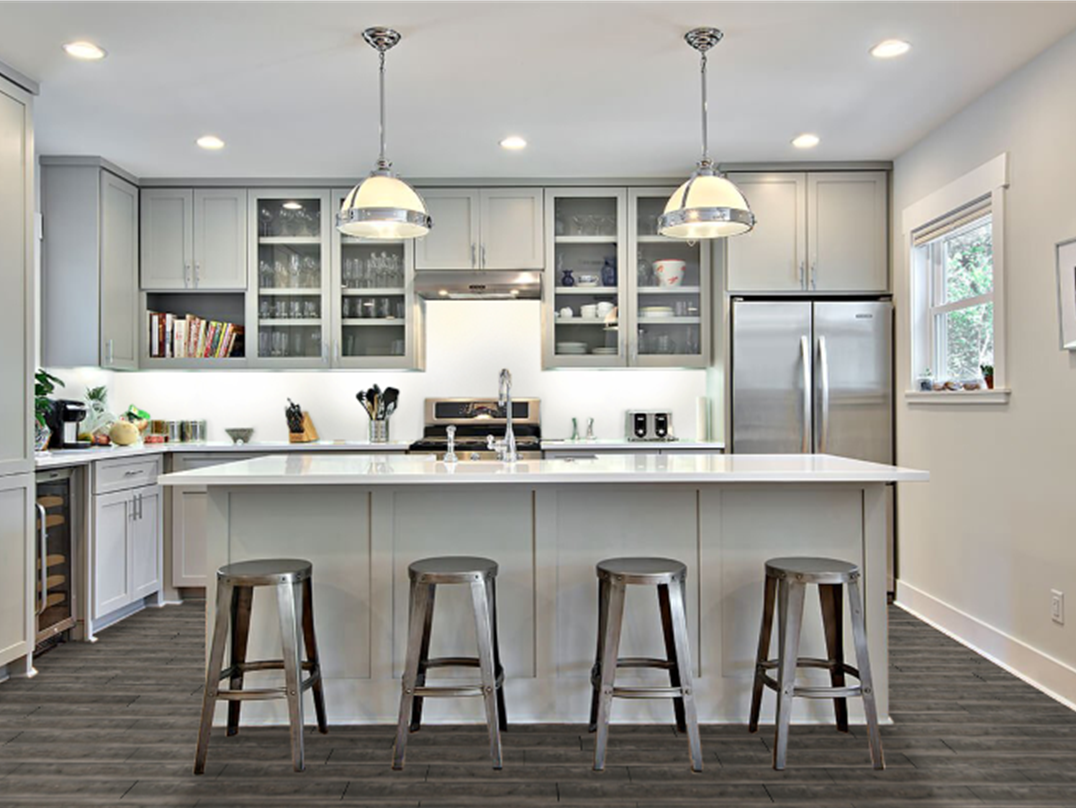
Kitchen floors experience constant movement, frequent spills, and regular cleaning. In high-traffic kitchens, flooring must withstand daily wear without becoming difficult to maintain. While aesthetics still matter, durability, moisture resistance, and long-term performance are often the deciding factors. Among the many choices available, three flooring options consistently meet the demands of busy kitchens.
What Makes Flooring Suitable for High-Traffic Kitchens
Not all flooring materials perform the same under daily use. High-traffic kitchens typically require floors that offer:
- Resistance to moisture and spills.
- Protection against scratches and surface wear.
- Easy cleaning without specialized products.
- Stability under temperature and humidity changes.
Flooring that meets these criteria is more likely to maintain its appearance over time.
Popular Flooring Options to Consider
1. Luxury Vinyl Flooring (LVP & LVT)
Why Vinyl Performs Well in Busy Kitchens
Luxury vinyl flooring is designed to handle heavy foot traffic while maintaining a consistent appearance. Its layered construction provides durability without the rigidity of traditional hard surfaces.
Vinyl’s water resistance makes it especially practical in kitchens where spills and splashes are common.
Key Benefits of Luxury Vinyl Flooring
- Waterproof or highly water-resistant.
- Scratch and dent resistant.
- Comfortable underfoot.
- Available in wood and stone visuals.
These features make vinyl a reliable option for kitchens that see continuous activity.
Where Vinyl Flooring Works Best
Luxury vinyl is often used throughout the kitchen, including near sinks and prep areas. It’s frequently selected during kitchen updates where flooring changes are coordinated alongside broader layout adjustments, such as those planned during kitchen remodeling.
2. Porcelain or Ceramic Tile
Why Tile Remains a Durable Choice
Tile has long been valued for its durability and resistance to moisture. Porcelain tile, in particular, is dense and less porous, making it suitable for kitchens with high traffic and frequent cleaning.
Tile maintains its structure even under prolonged use.
Advantages of Tile Flooring
- Excellent moisture resistance.
- High durability and longevity.
- Wide range of sizes and finishes.
- Compatible with radiant heating systems.
Proper installation and grout selection play a significant role in long-term performance.
Design Considerations
While tile is durable, grout lines require regular maintenance. Many homeowners choose larger tiles or low-contrast grout to minimize visual wear in high-use kitchens.
3. Engineered Wood Flooring
How Engineered Wood Differs from Solid Wood
Engineered wood consists of a real wood surface bonded to layered backing materials. This structure improves stability compared to solid hardwood, making it more suitable for kitchens.
While not fully waterproof, engineered wood handles moisture better than traditional hardwood.
Benefits of Engineered Wood in Kitchens
- Natural wood appearance.
- Improved resistance to movement and warping.
- Compatible with modern kitchen layouts.
- Can be refinished in some cases.
Engineered wood works best in kitchens where spills are promptly cleaned and traffic patterns are well managed.
Read More: Kitchen Flooring
Flooring Comparison at a Glance
| Feature | Luxury Vinyl | Tile | Engineered Wood |
| Water Resistance | High | Very High | Moderate |
| Durability | High | Very High | Moderate |
| Maintenance | Low | Moderate | Moderate |
| Comfort | High | Low | Moderate |
How Flooring Impacts Overall Kitchen Design
Flooring influences more than durability. It affects:
- Cabinet color selection.
- Visual flow between rooms.
- Lighting reflection.
- Perceived room size.
Because of this, flooring is often evaluated early in planning stages. Many homeowners review flooring options alongside cabinetry and layout updates when exploring kitchen flooring solutions similar to those outlined on your kitchen flooring page.
Practical Tips for Choosing Kitchen Flooring
Prioritize slip resistance in wet areas
- Consider long-term maintenance requirements.
- Test samples under natural and artificial light.
- Choose finishes that hide minor wear.
- Coordinate flooring with cabinetry and countertops.
Final Thoughts
High-traffic kitchens benefit from flooring materials designed to handle daily movement, moisture, and routine cleaning. Luxury vinyl, tile, and engineered wood each offer distinct advantages depending on performance needs and maintenance preferences. Selecting the right flooring involves balancing durability with how the kitchen is used on a daily basis.