


Choosing the Right Kitchen Island for Your Home
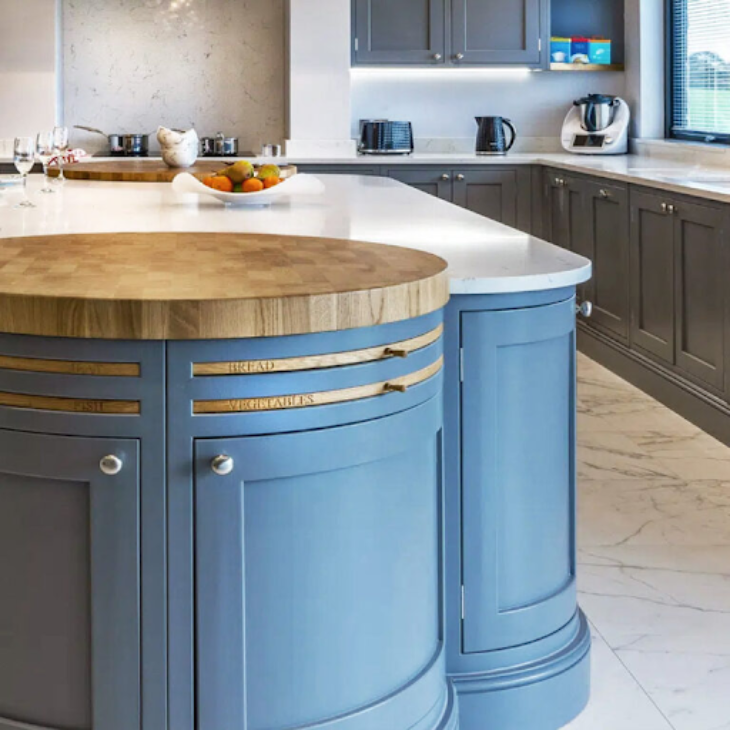
Adding a kitchen island can significantly improve your kitchen’s functionality, storage, and overall flow. Whether you're renovating your kitchen or building from scratch, selecting the right kitchen island is a strategic decision that requires careful planning.
This page combines everything you need to know from size and layout to material choices and installation methods.
Why Add a Kitchen Island?
A kitchen island can serve many roles, including:
- Additional counter space for meal prep.
- Extra seating for casual dining or entertaining.
- Enhanced storage with cabinets or open shelving.
- Design flexibility with custom shapes, finishes, and materials.
- Multi-functional zones, like built-in sinks, cooktops, or charging stations.
- Well-designed islands make everyday kitchen tasks easier and more organized.
Important Factors to Consider Before Installing
1. Size and Space Requirements
Ensure at least 36 to 42 inches of clearance around all sides of the island
- Ideal island width: 2 to 3 feet.
- Cooking/cleaning islands: typically 7 feet or longer.
- Prep/dining islands: typically 4 to 6 feet.
Match island height to its purpose:
- 36" for standard prep/work.
- 42" for bar seating or dining.
Pro Tip: Consult a kitchen remodel professional for precise measurements suited to your space.
2. Kitchen Layout Compatibility
Position your island to complement the kitchen work triangle (sink, stove, refrigerator). Avoid placing the island where it obstructs natural movement.
Stationary vs. Mobile Islands
| Type | Benefits | Limitations |
| Mobile Island | Flexible placement, ideal for small kitchens | Limited features, not suitable for plumbing/electricity |
| Fixed Island | Highly customizable, supports sinks/appliances | Permanent, requires more planning |
3. Shape and Function
Choose a shape that fits both your space and intended use:
- Rectangular: Most versatile and popular.
- L-Shaped or U-Shaped: Ideal for creating zones (e.g., prep + seating).
- T-Shaped: Great for combining dining and prep areas.
- Curved: Adds aesthetic interest, ideal for open-concept kitchens.
4. Material and Finish Selection
Island Base Materials
- Lumber (Wood): Warm, customizable; can be prone to moisture damage.
- Concrete: Durable and moldable; may require sealing or painting.
- Stainless Steel: Hygienic and modern; prone to scratches.
5. Countertop Options
Match the countertop material with your lifestyle and aesthetic:
- Quartz: Low maintenance, modern look.
- Granite: Durable and classic.
- Wood/Butcher Block: Warm and functional for prep.
- Marble: Elegant, but high-maintenance.
Design Tips for a Functional and Stylish Kitchen Island
1. Seamless Workflow Integration
- Ensure the island doesn't interrupt the work triangle.
- Consider outlets or plumbing if adding appliances.
2. Thoughtful Seating Plans
- Allow 24 inches per seat for comfort.
- Add 12"+ overhang for legroom.
- Use supports for overhangs >15 inches.
3. Creative Finishes
- Add under-island lighting for ambiance.
- Include open shelving or hidden storage.
- Use decorative corbels or trim for added character.
4. Installation Considerations
While DIY installation may seem appealing, hiring a licensed kitchen contractor ensures:
- Accurate measurements and proper spacing.
- Electrical/plumbing work done to code.
- Secure installation for long-term use.
Final Thoughts
Installing a kitchen island can boost your kitchen’s usability, appearance, and even home value. By planning thoughtfully, from layout and size to materials and function, you’ll create a space that adds convenience and enjoyment to your daily routine.