


Top 3 Countertop Materials for Modern Kitchens
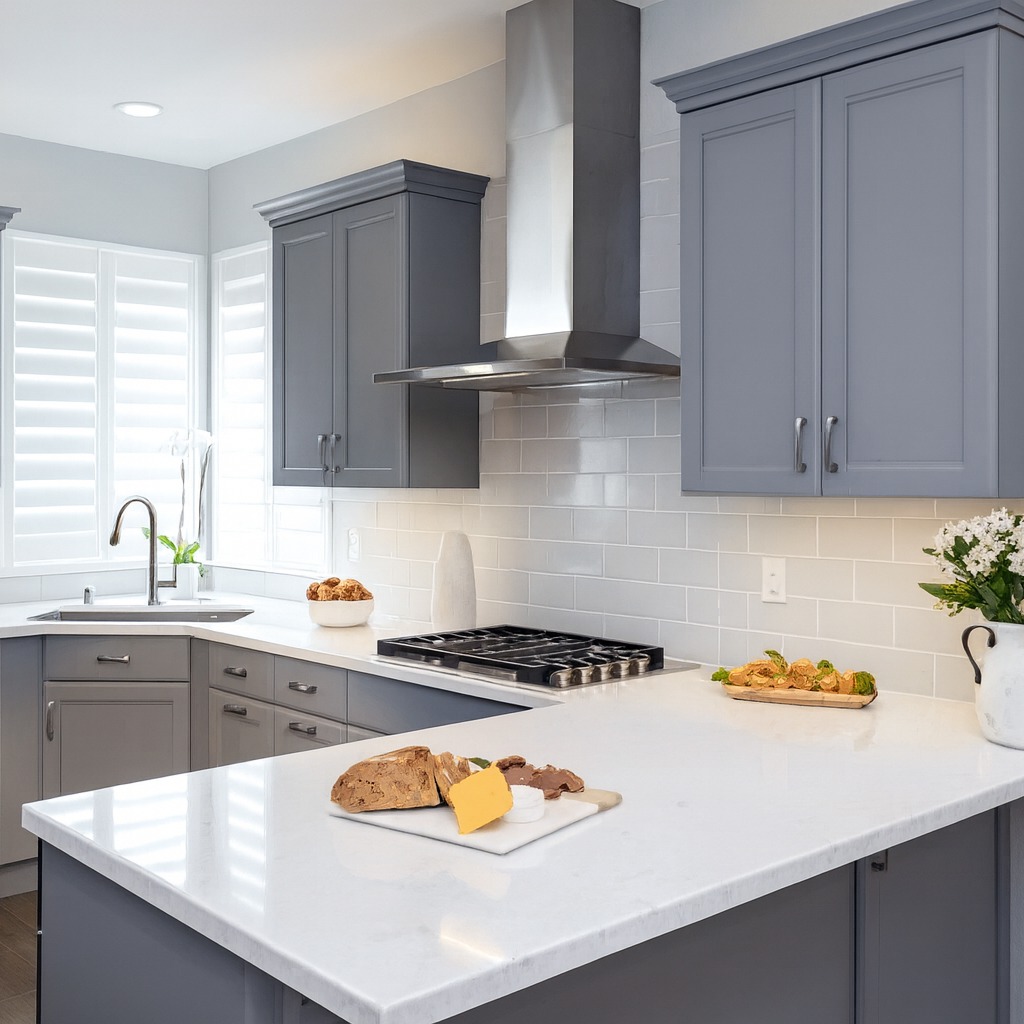
Countertops play a central role in how kitchens function and age over time. In modern kitchens, surface materials are expected to balance durability, ease of maintenance, and visual consistency. While many options exist, three materials continue to stand out for kitchens that prioritize long-term performance and practical design: quartz, quartzite, and granite.
How Countertop Priorities Have Changed
Current kitchen planning places more emphasis on how surfaces perform during daily use. Key considerations include:
- Resistance to stains and surface wear.
- Ease of cleaning and upkeep.
- Compatibility with cabinetry and layout.
- Consistent appearance over time.
These factors influence countertop selection just as much as appearance.
1. Quartz: The Most Popular Choice for Modern Kitchens
Why Quartz Leads Countertop Selection
Quartz countertops are engineered surfaces made from natural stone combined with binding resins. This manufacturing process allows for consistent color, controlled patterning, and reliable performance.
Because quartz is non-porous, it does not require sealing and resists staining from common kitchen spills.
Key Advantages of Quartz Countertops
- Low maintenance with no sealing required.
- Consistent appearance across large surfaces.
- Strong resistance to staining and moisture.
- Wide range of colors and finishes.
Quartz works especially well in kitchens where surfaces are used frequently throughout the day.
Where Quartz Fits Best
Quartz is commonly selected for perimeter countertops, islands, and integrated backsplashes. Its consistency makes it easier to coordinate with cabinetry, which is why it is often chosen during kitchen remodeling projects where visual continuity matters.
Explore: Quartz Countertops
2. Quartzite: Natural Stone with Refined Performance
What Sets Quartzite Apart
Quartzite is a natural stone formed through heat and pressure. It offers a more organic appearance than quartz, often resembling marble while providing greater durability.
Unlike engineered surfaces, each quartzite slab has unique veining and variation.
Benefits of Quartzite Countertops
- High heat resistance.
- Natural stone appearance.
- Strong durability when properly sealed.
- Works well in statement areas.
Quartzite requires periodic sealing but is valued for its balance of strength and natural character.
Ideal Applications
Quartzite is frequently used for kitchen islands or feature countertops where natural variation is desired. It pairs well with neutral cabinetry and is often coordinated alongside other surface updates during countertop planning.
3. Granite: A Long-Standing Countertop Material
Why Granite Remains Relevant
Granite has been used in kitchens for decades due to its durability and natural variation. Each slab is unique, offering depth and pattern not found in engineered materials.
While trends have shifted toward more controlled patterns, granite remains a reliable option for those who prefer natural stone.
Granite Countertop Considerations
- Requires sealing to maintain stain resistance.
- Offers strong heat tolerance.
- Natural variation can be visually prominent.
Granite performs best in kitchens where maintenance routines are well understood.
Comparing Quartz, Quartzite, and Granite
| Feature | Quartz | Quartzite | Granite |
| Maintenance | Very low | Moderate | Moderate |
| Appearance | Consistent | Natural variation | Natural variation |
| Sealing Required | No | Yes | Yes |
| Heat Resistance | Moderate | High | High |
How Countertop Choice Affects Kitchen Design
Countertops influence more than surface performance. They affect:
- Cabinet color selection
- Backsplash design
- Island scale and proportion
- Overall visual balance
This is why surface selection is often evaluated alongside cabinetry updates, including approaches similar to cabinet refacing, where existing structures remain while finishes are refreshed.
Practical Tips for Choosing the Right Countertop Material
- Consider daily usage patterns before selecting a surface.
- Balance appearance with maintenance expectations.
- Review full slabs rather than small samples.
- Coordinate countertops with cabinetry and layout early.
- Avoid choosing solely based on trend appeal.
Final Thoughts
Modern kitchens favor countertop materials that support daily use without demanding constant upkeep. Quartz continues to lead due to its consistency and ease of maintenance, while quartzite and granite offer natural alternatives with distinct visual appeal. Selecting the right surface depends on how the kitchen is used, maintained, and designed as a whole.