


How to Choose Kitchen Cabinets – Best Styles, Materials & Features for Your Home
Written and reviewed by the Remodeling Team at Mr. Cabinet Care | Last updated: May 19, 2026
Kitchen cabinets are one of the biggest design and functionality decisions in any kitchen remodel. They influence everything from storage and organization to the overall appearance of the space. Whether you're updating an older kitchen or planning a complete renovation, choosing the right cabinets can make a noticeable difference in how your kitchen looks and functions every day.
Why Do Kitchen Cabinets Matter in a Remodel?
Cabinets often account for a significant portion of a kitchen renovation budget. Beyond aesthetics, they also affect:
- Storage capacity.
- Kitchen organization.
- Daily usability.
- Home resale value.
- Durability and maintenance needs.
For example, a busy family kitchen may benefit from durable cabinet materials and easy-to-clean finishes, while someone focused on a modern luxury look may prioritize sleek frameless designs.
Since cabinets are typically a long-term investment, choosing wisely can help avoid expensive replacements or regrets later.
What Kitchen Cabinet Style Should You Choose?
Before comparing materials or pricing, it helps to identify the design direction you want for your kitchen.
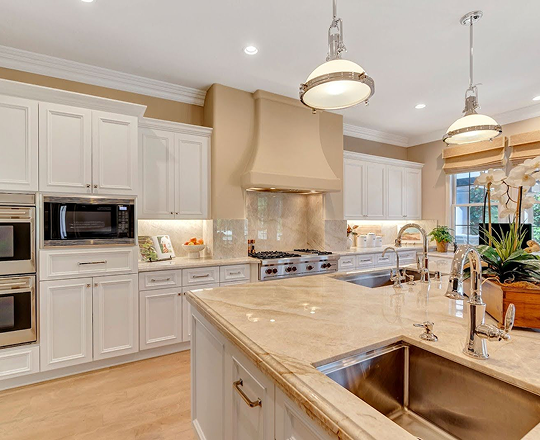
- Shaker Cabinets: Shaker cabinets remain one of the most popular kitchen cabinet styles because of their simple, clean lines and versatility. They work well in traditional kitchens, transitional spaces, modern farmhouse designs, and contemporary kitchens. A shaker cabinet door features a recessed center panel and minimal detailing, making it adaptable to changing design trends.
Read More: Shaker Style Kitchen Cabinets - Flat-Panel Cabinets: Flat-panel or slab cabinets are known for their smooth, minimalist appearance. They are commonly used in modern kitchens, contemporary homes, and Scandinavian-inspired interiors. Because they have minimal grooves and detailing, they are also easier to clean.
- Raised-Panel Cabinets: Raised-panel cabinets offer a more traditional and decorative appearance. They often feature detailed craftsmanship, rich wood finishes, and ornamental profiles. These cabinets work best in classic or formal kitchen styles.
- Glass-Front Cabinets: Glass-front cabinets can help visually open a kitchen while creating display opportunities for dishes or decorative pieces. However, they typically work best as accent cabinets rather than throughout the entire kitchen.
What are the Best Materials for Kitchen Cabinets?
The material you choose affects durability, maintenance, appearance, and cost.
- Solid Wood Cabinets: Solid wood kitchen cabinets are often considered a premium option because of their strength and natural beauty. Popular wood choices include maple, oak, cherry, walnut, and birch. Wood cabinets can be stained or painted depending on the look you want. They also tend to age well and may be refinished in the future. However, they usually come with a higher price point.
- Plywood Cabinets: Plywood is often used in high-quality cabinet construction because it offers durability without the expansion and shrinking issues sometimes seen in solid wood. Benefits include strong structure, better moisture resistance, and lightweight yet durable construction. For homeowners focused on longevity, plywood cabinet boxes are often worth considering.
- MDF Cabinets: Medium-density fiberboard (MDF) is a common material for painted kitchen cabinets. Because MDF has a smooth surface, it tends to produce a cleaner painted finish than natural wood. MDF works well for white kitchen cabinets, modern painted finishes, and budget-conscious remodels. However, excessive moisture exposure can damage lower-quality MDF products.
- Particleboard Cabinets: Particleboard cabinets are generally the most affordable option. While suitable for budget projects, they are often less durable than plywood or solid wood alternatives.
For kitchens with heavy daily use, investing in better cabinet construction may provide better long-term value.
View More: Kitchen Cabinets
Should You Choose Framed or Frameless Cabinets?
Framed Cabinets: Framed cabinets include a face frame attached to the front of the cabinet box. Their benefits include traditional appearance, extra structural support, and flexible door mounting options. These are commonly found in classic kitchen styles.
Frameless Cabinets: Frameless cabinets, often called European-style cabinets, remove the face frame for a cleaner appearance. Their advantages include, more storage space, sleek, modern aesthetic, wider drawer access. They are especially popular in contemporary kitchen remodeling.
When deciding between framed and frameless cabinets, consider both visual style and functionality.
What Is the Difference Between Custom, Semi-Custom, and Stock Cabinets?
Cabinets generally fall into three pricing and customization categories.
- Stock Cabinets: Stock cabinets come in pre-set sizes and limited finish options. They are best for tight budgets and quick remodel timelines The downside is limited personalization.
- Semi-Custom Cabinets: Semi-custom cabinets allow for more flexibility in sizing, finishes, and storage features. They strike a balance between affordability and customization, making them a popular choice for many homeowners.
- Custom Cabinets: Custom cabinets are built specifically for your kitchen dimensions and preferences. They are ideal when you have an unusual kitchen layout, you want highly personalized storage, premium design matters.
Custom cabinetry often provides the highest level of flexibility but usually comes with a higher investment.
What Cabinet Features Actually Improve Kitchen Functionality?
Many homeowners choose cabinets based only on appearance and later regret overlooking functionality.
Smart kitchen cabinet features can improve everyday use dramatically.
Consider storage upgrades like:
- Pull-out pantry shelves.
- Soft-close drawers.
- Lazy Susans for corners.
- Built-in spice storage.
- Deep drawers for cookware.
- Vertical tray dividers.
Good kitchen design balances beauty and practicality. A kitchen may look stunning in photos, but poor storage can become frustrating over time.
Common Mistakes to Avoid When Choosing Kitchen Cabinets
Choosing kitchen cabinets can feel exciting, but rushing the process may lead to costly mistakes. Many homeowners focus heavily on appearance without considering storage, durability, or long-term practicality. Avoiding a few common issues early can help you choose cabinets that look good and function well for years.
- Prioritizing looks over function: Beautiful cabinets matter, but they should also support how you use your kitchen every day. Minimal designs may look appealing but may not offer enough storage for busy households.
- Ignoring kitchen layout: Cabinets should complement your kitchen flow. Poor planning can lead to awkward storage access, crowded walkways, and wasted corner space.
- Choosing low-quality hardware: Cabinet hinges, drawer glides, and handles impact durability more than many people realize. Soft-close hinges and full-extension drawers are often worth considering.
- Following trends too closely: Trendy cabinet colors and finishes may age quickly. Choosing timeless cabinet styles and updating trends through decor or fixtures is often a safer long-term choice.
Best Practices for Choosing the Right Kitchen Cabinets
Choosing kitchen cabinets becomes easier when you focus on both style and functionality. Instead of making decisions based purely on trends or price, think about how your kitchen works for your everyday routine and long-term needs.
- Match cabinets to your lifestyle: If you cook often, prioritize durable finishes, deep drawers, and easy-access storage. Entertainers may prefer more display-focused cabinetry.
- Balance budget and durability: Higher cost does not always mean better quality. Focus on strong cabinet construction, durable hardware, and storage functionality.
- Test samples before committing: Cabinet finishes can look very different under your home's lighting. Compare samples alongside countertops, flooring, and paint colors.
- Think long term: Ask yourself whether the cabinet style, color, and storage setup will still feel practical years from now.
If you're still early in the planning stage, a kitchen remodeling guide would offer a helpful overview of layout planning, budgeting, and design decisions.
Final Thoughts
Choosing the right kitchen cabinets involves more than selecting a color or style you like. The best decision balances aesthetics, functionality, durability, and budget while supporting how you actually use your kitchen every day.
From cabinet materials and construction to storage features and finishes, every choice plays a role in creating a kitchen that feels both beautiful and practical.
By understanding your options and thinking beyond short-term trends, you can choose kitchen cabinets that continue to work well for years to come.