


From Chef-Inspired to Wellness-Centric: 2026 Kitchen Layout Innovations Homeowners Want
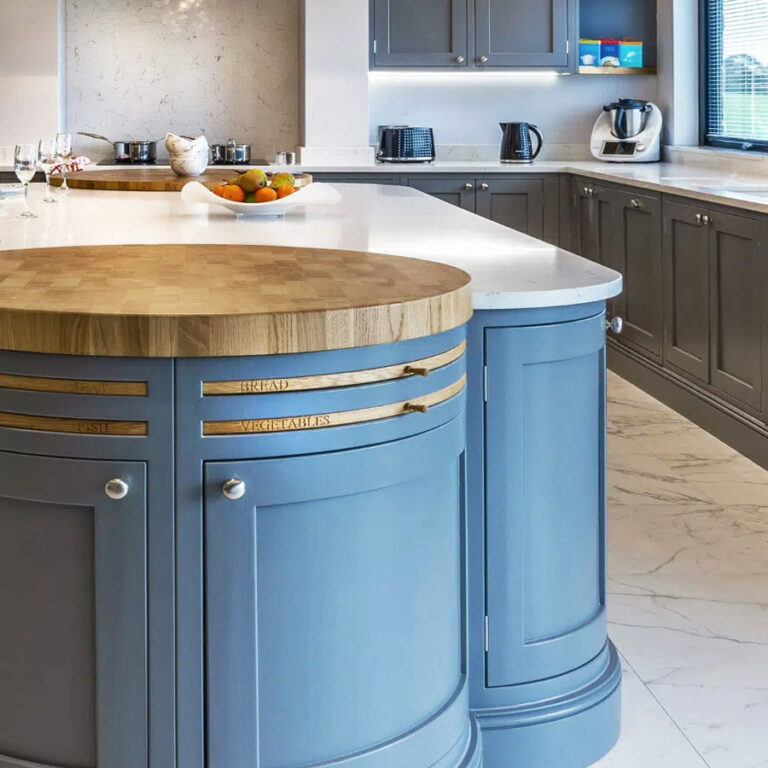
Kitchen layouts in 2026 are shaped less by visual trends and more by how the space supports daily habits. While chef-inspired designs continue to influence efficiency and workflow, there is growing attention on wellness, comfort, and adaptability. These layout innovations focus on reducing friction in everyday tasks while accommodating a wider range of activities beyond cooking alone.
What’s Driving Kitchen Layout Changes in 2026
Several priorities are influencing how kitchens are planned:
- Increased focus on movement, posture, and comfort.
- Kitchens serving multiple purposes throughout the day.
- Desire for layouts that adapt to changing routines.
- Emphasis on reducing clutter and visual noise.
Rather than dramatic structural changes, designers are refining layouts to better align with how kitchens are actually used.
Chef-Inspired Layout Features Still Shaping Kitchens
1. Refined Work Zones Instead of the Classic Triangle
- The traditional work triangle is evolving into clearly defined zones for prep, cooking, cleaning, and storage. This allows multiple people to use the kitchen simultaneously without interruption.
- Zoned layouts are often mapped early during kitchen remodeling, where appliance placement and cabinet configuration can be adjusted to support smoother workflows.
2. Dedicated Prep and Support Areas
- Chef-inspired kitchens increasingly include secondary prep zones with their own counter space and storage. These areas help reduce congestion around main cooking surfaces.
- Strategic countertop placement plays a key role here, especially when prep surfaces differ from cooking or serving areas.
3. Streamlined Storage Placement
- Storage is being positioned closer to where items are used. Frequently accessed tools and ingredients are stored near prep areas, while bulk storage is kept separate.
- This approach reduces unnecessary movement and keeps work areas visually clean.
The Shift Toward Wellness-Centric Kitchen Layouts
1. Layouts That Encourage Natural Movement
Wellness-focused kitchens prioritize ease of movement, with wider walkways and fewer sharp transitions between zones. Cabinet depth, counter height, and aisle spacing are adjusted to reduce strain during extended use.
These refinements are often considered when updating cabinetry layouts or refreshing existing storage systems.
2. Reduced Visual Clutter Through Smarter Storage
Rather than adding more cabinets, layouts are emphasizing smarter organization within existing structures. Concealed storage, integrated panels, and simplified cabinet lines contribute to a calmer environment.
This design philosophy aligns well with updates similar to cabinet refacing, where the layout remains intact while improving function and appearance.
3. Zones for Non-Cooking Activities
Kitchens are increasingly accommodating activities such as hydration, casual dining, or quiet tasks. Layouts may include beverage stations, seating areas, or secondary counters that don’t interfere with cooking zones.
This separation supports flexibility while keeping the kitchen functional throughout the day.
Layout Innovations Gaining Popularity in 2026
1. Island-Centered Planning
Islands are no longer just prep surfaces. They often serve as:
- Secondary prep zones.
- Informal dining areas.
- Storage hubs.
- Transition points between zones.
Their placement is carefully planned to support movement rather than block it.
Related Read: Kitchen Islands
2. Perimeter-Focused Workflows
Some layouts shift primary cooking and prep back to perimeter walls, keeping central areas open. This improves circulation and allows islands to serve more flexible purposes.
3. Adaptive Layouts That Age Well
Designers are favoring layouts that can adapt over time, such as:
- Adjustable shelving.
- Modular storage components.
- Flexible counter extensions.
These features support long-term usability without requiring major structural changes.
Practical Considerations When Planning a 2026 Kitchen Layout
- Prioritize movement paths over visual symmetry.
- Keep frequently used items within easy reach.
- Separate high-traffic areas from cooking zones.
- Balance open space with adequate storage.
- Plan layouts that accommodate multiple users.
Final Thoughts
Kitchen layout innovations in 2026 reflect a shift toward purposeful design. Chef-inspired efficiency remains important, but it is now balanced with wellness-driven priorities such as comfort, flexibility, and ease of use. The result is a kitchen that supports a wider range of daily activities while remaining functional, organized, and adaptable over time.