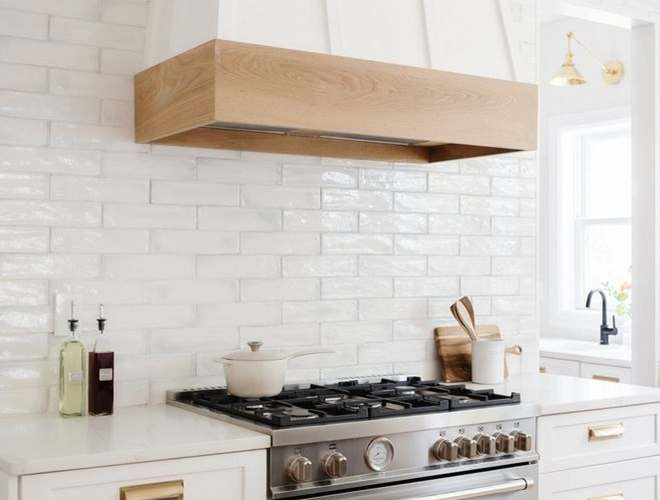
A wooden range hood is both a functional ventilation feature and a design element that can define the look of a kitchen. Unlike standard metal hoods, wood range hoods introduce warmth, texture, and visual depth. They can blend seamlessly with cabinetry or serve as a focal point, depending on the chosen style and finish.
Wooden kitchen hoods work across many design styles, including traditional, transitional, farmhouse, and modern kitchens. Their flexibility in shape, stain, and detailing makes them a preferred option for homeowners looking to add architectural character while maintaining effective ventilation.
What Is a Wooden Range Hood?
A wooden range hood is a ventilation cover made from wood or wood veneer that conceals the exhaust fan and ductwork above a cooking surface.
It serves two main purposes:
- Improves air quality by removing smoke, grease, and odors.
- Enhances kitchen design by adding texture and visual interest.
Wood range hoods can be built as standalone statement pieces or integrated into surrounding cabinetry for a seamless appearance.
Benefits of Choosing a Wood Range Hood
Wooden hoods offer both functional and aesthetic advantages.
1. Adds Warmth and Texture
Wood introduces a natural texture that balances hard surfaces like stone countertops and tile backsplashes. This creates a more inviting and balanced kitchen environment.
2. Creates a Strong Visual Focal Point
A custom wood hood can draw attention to the cooking area and anchor the overall kitchen design.
Common focal-point designs include:
- Contrasting stain finishes.
- Decorative trim or molding.
- Architectural shapes.
3. Offers Customization Flexibility
Wood can be customized in multiple ways:
- Painted finishes.
- Natural stains.
- Carved details.
- Modern or traditional shapes.
This flexibility allows the hood to match or contrast with cabinets.
4. Integrates Seamlessly With Cabinetry
Wood hoods can be designed to match cabinet material, color, and finish for a cohesive look.
Popular Wooden Range Hood Styles
Different hood styles influence the overall look of the kitchen.
1. Shiplap Wood Range Hoods
Shiplap features horizontal wood panels that create a textured appearance. Best suited for:
- Farmhouse kitchens.
- Transitional kitchens.
- Coastal designs.
Benefits include:
- Adds texture without overwhelming the space.
- Works well with painted or stained finishes.
2. Mantel-Style Wood Hoods
Mantel hoods resemble traditional fireplace mantels. Features include:
- Decorative trim
- Shelf-like structure
- Classic proportions
These hoods work well in traditional and transitional kitchens.
3. Arched Wood Range Hoods
Arched hoods feature curved shapes that soften the kitchen’s appearance. Benefits include:
- Creates architectural interest.
- Works well in classic and Mediterranean-inspired kitchens.
4. Modern Minimalist Wood Hoods
Modern designs use clean lines and simple shapes. Common characteristics:
- Flat surfaces
- Smooth finishes
- Minimal decorative details
These styles work well in contemporary kitchens.
Wood Range Hood Finish Options
The finish plays a major role in defining the final appearance.
1. Natural Wood Finish
Highlights wood grain and adds organic warmth. Best for:
- Traditional kitchens
- Rustic kitchens
- Transitional kitchens
2. Painted Wood Finish
Painted finishes create a clean and refined appearance. Popular colors include:
- White
- Gray
- Black
- Neutral tones
3. Two-Tone Wood Range Hood
A two-tone approach combines wood with contrasting finishes. Examples include:
- Wood hood with painted cabinets.
- Painted hood with wood cabinets.
This approach adds contrast and depth.
How to Choose the Right Wood Range Hood
Several factors influence the right choice.
1. Match Overall Kitchen Style
Ensure the hood aligns with the kitchen’s design style. Examples:
- Farmhouse kitchens: Shiplap or rustic wood
- Modern kitchens: Minimalist flat-panel hood
- Traditional kitchens: Mantel or arched hood
2. Consider Proportion and Size
The hood should align with the range width and cabinet scale.
Oversized hoods can overwhelm the space, while undersized hoods may look disproportionate.
3. Coordinate With Cabinets and Finishes
Wood hoods can:
- Match cabinet finish for cohesion.
- Contrast cabinets for visual interest.
See how cabinet refinishing and kitchen remodeling impact overall design consistency.
Wooden Range Hood vs Metal Range Hood
| Feature | Wooden Range Hood | Metal Range Hood |
| Appearance | Warm and natural | Sleek and industrial |
| Customization | Highly customizable | Limited finish options |
| Design flexibility | Works in many styles | Best for modern kitchens |
| Visual impact | Strong focal point | Minimal visual presence |
| Maintenance | Requires finish protection | Easier to clean |
When to Include a Wooden Hood in Kitchen Remodeling
Wooden range hoods are often installed during kitchen remodeling projects to ensure proper fit and integration. Common scenarios include:
- Cabinet replacement.
- Kitchen layout updates.
- Style upgrades.
- Ventilation system improvements.
Installing the hood during renovation ensures proper sizing and alignment.
Wooden Range Hood Maintenance and Care Tips
Proper care helps preserve appearance and durability.
- Clean the exterior regularly with gentle cleaners.
- Avoid excessive moisture exposure.
- Maintain protective finish or sealant.
- Inspect ventilation components periodically.
These steps help extend the hood’s lifespan.
Final Thoughts
Wooden range hoods offer a balance of functionality and design value. They enhance ventilation while adding warmth, texture, and architectural detail. With multiple style and finish options available, wood hoods can integrate seamlessly into various kitchen designs or serve as a focal point.
When selected carefully, a wood range hood improves both the visual appeal and overall cohesion of the kitchen.