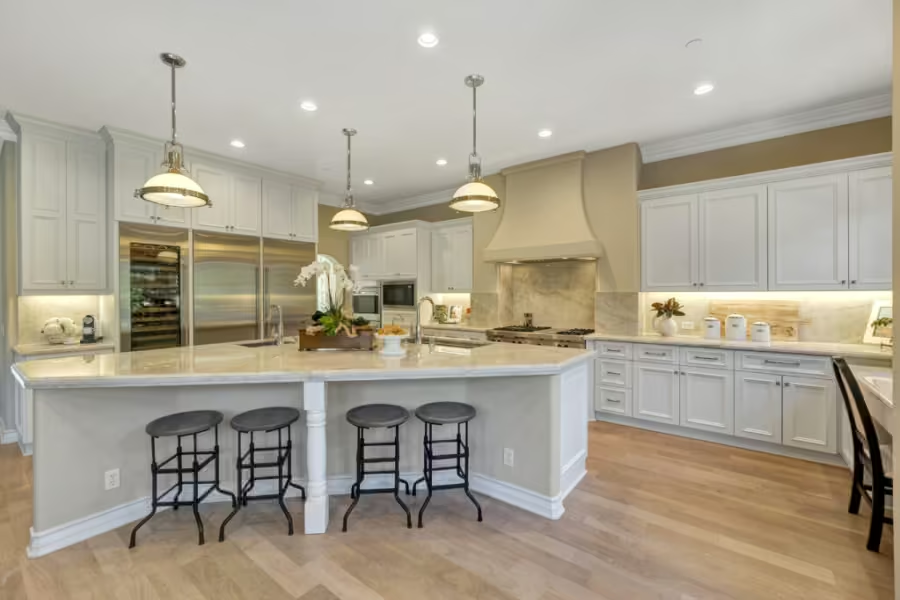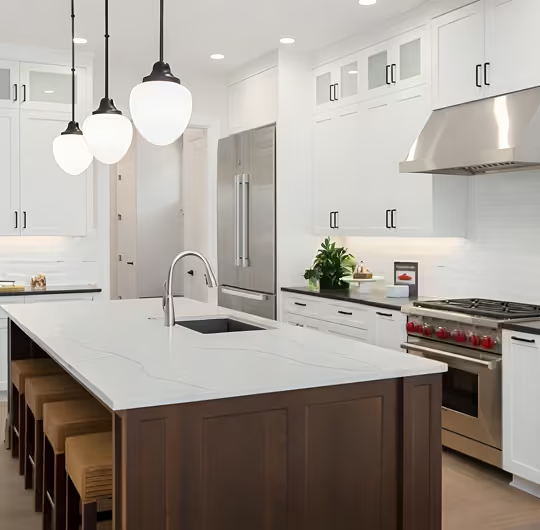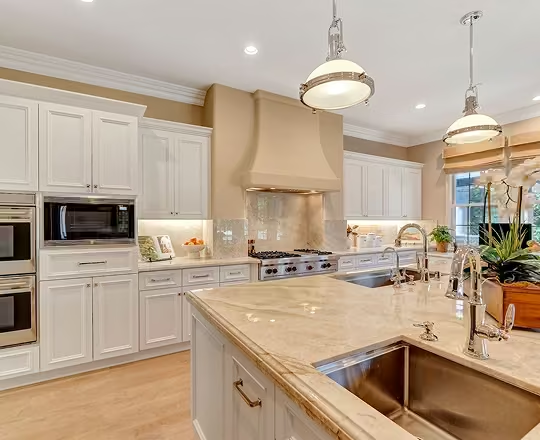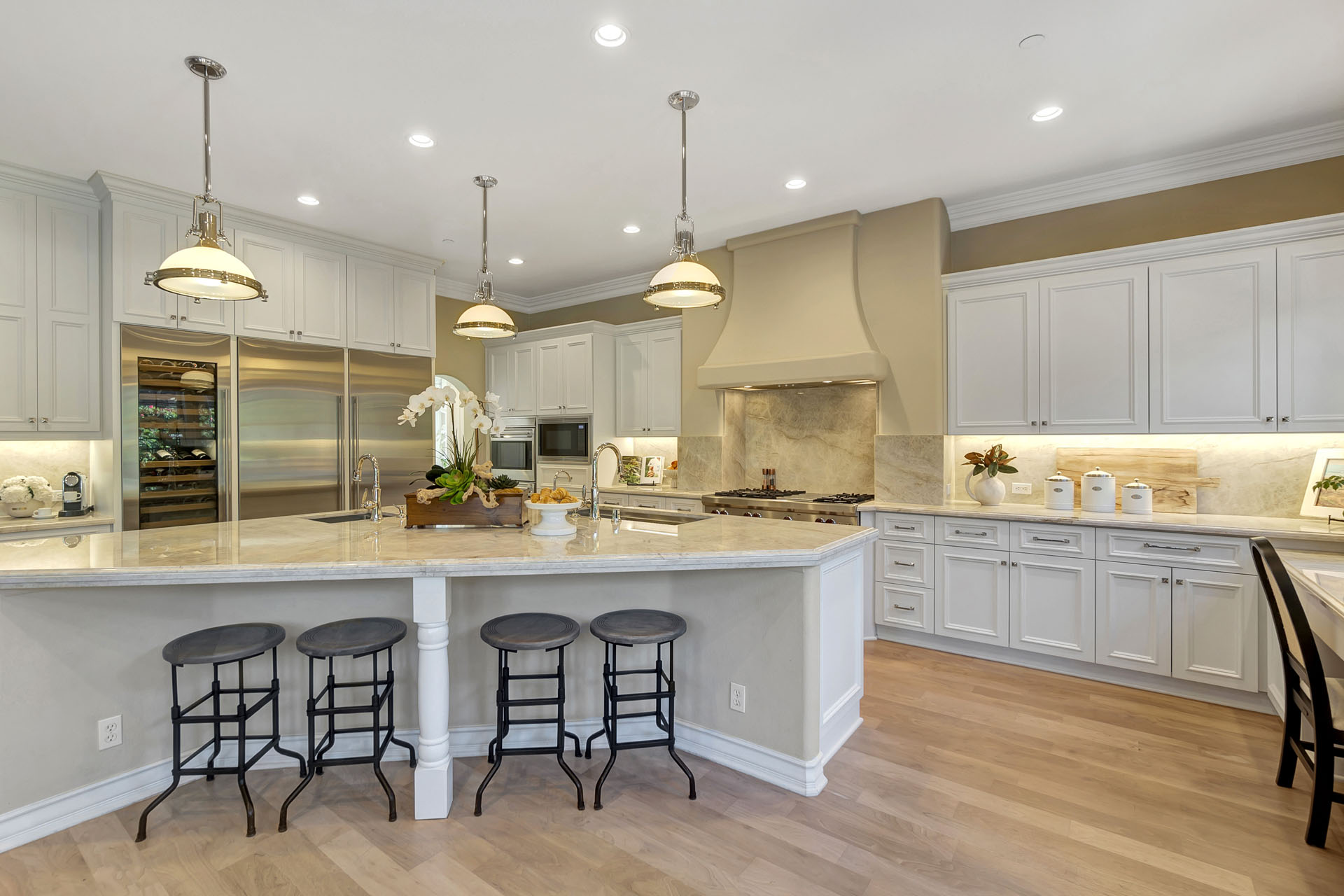
Modern kitchens are evolving, not just in appliance tech, but in the way they’re planned, laid out, and used. An “AI-optimized kitchen” leverages data and smart design principles to shape how cooking, storage, and movement work together. In this post, we explore why that matters, what features define such kitchens, and how you could plan a remodel today that will serve you well into 2026.
Why Today’s Kitchens Often Fall Short
1. Common layout inefficiencies
Many kitchens were designed with generic “triangle layouts” (sink–stove–refrigerator) without real-world usage data. Common issues include:
- Cabinets and drawers rarely used, while daily essentials remain awkward to reach.
- Too much walking between prep area, cooking area, and storage.
- Poor lighting or corners where items get lost making cleanup and cooking less efficient.
2. Challenges for modern households
Today’s typical households have different demands:
- More appliances (smart coffee machines, multi-function ovens, etc.)
- Larger variety of cooking styles - quick meals, meal prep days, entertaining guests.
- Multipurpose usage - kitchen also serves as workspace, family gathering area, storage hub.
These shifts often reveal limitations in traditional kitchen layouts. A data-driven, optimized approach can help bridge the gap.
What “AI-Optimized Kitchen” Means
1. From data to designs how AI works in layout planning
When we say “AI-optimized,” we refer broadly to design methods informed by data (usage patterns, ergonomics, flow), sometimes aided by actual AI-powered software modeling. Instead of guesswork, layout decisions, cabinet placement, drawer depth, aisle width, zones for cooking/prep/storage are guided by what works in real life.
2. Key elements: workflow, storage, accessibility, ergonomics
An AI-informed plan focuses on practical efficiency:
- Minimizing movement between cooking, prep, and cleaning zones.
- Storing frequently used tools where they’re easy to reach.
- Ensuring cabinets, drawers, racks align with user height and accessibility.
- Accommodating modern appliances and flexible storage.
Core Features of AI-Optimized Kitchens
1. Efficient triangle & zone layout powered by usage data
The classic kitchen triangle is reimagined: rather than placing sink, fridge, and stove arbitrarily, their positions are optimized based on how often you move between them. AI-inspired layout tools can simulate your typical cooking session and suggest zone placement, prep surfaces near fridge and sink, garbage or compost bin strategically placed, etc.
1. Adaptive storage & cabinet planning
Storage is tailored to what you use and how often. For example:
- Deep pull-out drawers for pots and pans near the stove.
- Vertical storage or pull-outs for baking sheets and cutting boards.
- Frequently used utensils or spices near the prep area.
- Less-used items in higher or deeper cabinets.
If you plan a remodel, combining such layout thinking with professional cabinet refacing or custom cabinetry helps maximize functionality without overcrowding.
2. Smart lighting, sensors & appliance placement
AI-optimized kitchens often integrate non-layout tech: sensor-driven lighting, motion-activated vent hoods, or appliance placement that reduces clutter. For instance, under-cabinet lighting tied to motion sensors helps during prep; hidden charging stations keep countertops clean.
Explore: Kitchen Lighting
3. Future-proofing: flexibility for changing needs
Perhaps you’ll have different cooking habits in five years. An optimized kitchen allows for modular storage, adjustable shelving, or drawer inserts so you can reconfigure without a full remodel. Good planning now can save disruption later.
How to Apply AI-Inspired Design to Your Remodel (2026-Ready)
Step 1: Map your cooking and storage habits
- Keep a log for a week: note what you use most often like pots, appliances, utensils, even items like lunchboxes or snacks.
- Count peak cooking times: is it daily dinners? Meal prep weekends? Baking?
- Note traffic flow: how many people pass through the kitchen during cooking, meal prep, cleanup.
This data becomes a blueprint for zones and storage needs.
Step 2: Work with layout-savvy professionals
Contractors or designers familiar with modern kitchen planning can help translate your data into an efficient layout. For example, when you opt for a full remodel using kitchen remodeling services, you can request layout planning that reflects your documented usage rather than generic templates.
Step 3: Choose cabinets and storage that adapt
In many kitchens, what limits flexibility is rigid cabinetry. Instead, select modular or adjustable elements that accommodate changes such as deeper base cabinets, adjustable shelving, or drawer organizers. Refacing existing cabinets with updated organization inserts is another cost-efficient way to improve storage using cabinet refacing services.
Step 4: Consider smart appliances and lighting
When replacing counters or adding new appliances during a remodel, factor in smart integrations: built-in charging nooks, under-cabinet lighting, or even drawer-based refrigerated storage. These small touches can significantly improve workflow and convenience.
Explore: Kitchen Countertops
Step 5: Test & refine - evolve over time
Once your remodel is complete, you might find small adjustments (moving a utensil drawer, shifting storage) that improve efficiency. Treat your kitchen as a living system, evolve it as your needs shift.
Comparing Traditional vs AI-Driven Kitchens
| Feature | Traditional Kitchen Design | AI-Optimized Kitchen Design |
| Layout planning | Based on standard templates or rules of thumb | Based on actual user habits and data |
| Storage placement | Generic - often based on aesthetics or standard sizing | Frequent items near prep/cook zones; deeper cabinets for bulky items |
| Movement efficiency | Often involves unnecessary walking or back-and-forth | Minimizes movement between zones |
| Adaptability | Hard to reconfigure once built | Modular, adjustable storage and layout flexibility |
| Use of smart tech | Optional add-ons | Integrated - lighting, appliances, sensors to support workflow |
| Long-term usability | May not suit changing habits | Designed to evolve with user needs |
Common Misconceptions (and What’s Real)
1. “AI kitchens are only for tech lovers”
Not true. While the term suggests advanced technology, the core of an AI-optimized kitchen is efficient layout and storage based on how you cook and store. Smart layout thinking benefits anyone, regardless of whether they use “smart” appliances.
2. “It’s too expensive”
Initial planning may take more thought. But by combining layout optimization with services like cabinet refacing (rather than full replacement), or by making incremental changes; adjustable shelving or reorganized zones; you can improve efficiency without overspending.
3. “My kitchen is too small”
Even small kitchens benefit from thoughtful layout and organization. AI-informed planning helps maximize every inch, placing frequently used items strategically, using vertical storage, and optimizing workflow to reduce clutter.
Final Thoughts
Thinking ahead to 2026 and beyond, kitchens are no longer just a place to cook. They’re dynamic spaces where cooking, storage, socializing, and smart home integration intersect. By grounding design decisions in data; your habits, storage needs, and workflow; you create a kitchen that doesn’t just look good, but also works for you. Whether building new or remodeling, small layout tweaks and smart storage choices can make a lasting difference.