


Kitchen Sinks and Faucets – What You Need to Know Before Your Remodel or Renovation
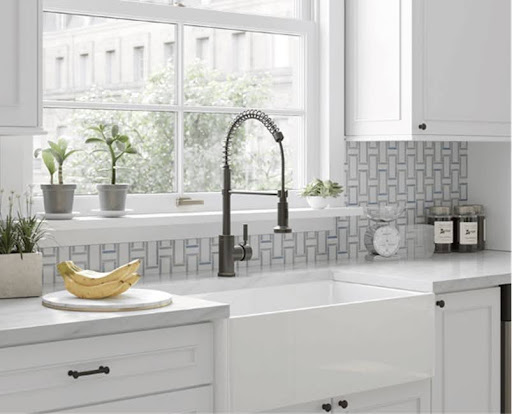
When planning a kitchen remodel or renovation, the choices you make for sinks and faucets play a major role in both the functionality and appearance of your space. With a wide range of styles, materials, and features available, selecting the right combination can feel overwhelming. This article simplifies your decision-making process by offering practical advice, expert insights, and common pitfalls to avoid so your project proceeds smoothly.
Why are Kitchen Sinks and Faucets So Important in a Remodel or Renovation?
Your kitchen sink and faucet are more than just practical tools, they’re central to your kitchen's daily use and overall design. A well-chosen sink and faucet enhance usability while supporting the style goals of your remodel or renovation. Whether you’re aiming for long-term durability, ease of maintenance, or a modern aesthetic, making smart decisions now will prevent expensive changes later.
What are the Different Types of Kitchen Sinks Used in Remodels and Renovations?
Choosing the right kitchen sink depends on your renovation or remodel goals, kitchen layout, and style preferences. Below are the most common types to consider:
1. Top-Mount (Drop-in) Sinks: Affordable and easy to install, these sinks rest on the countertop and are often chosen for remodels or renovations on a budget.
2. Undermount Sinks: Installed beneath the countertop for a clean, seamless look. Perfect for modern remodels and easy countertop cleaning.
3. Farmhouse (Apron Front) Sinks: Large and exposed, farmhouse sinks offer heavy-duty use and add a classic or transitional charm to any remodel or renovation.
4. Integrated Sinks: Made from the same material as the countertop, creating a cohesive appearance and making them easy to clean.
Pro Tip: For families that use the kitchen heavily, an undermount or farmhouse sink offers ergonomic benefits and additional workspace.
How Do You Choose the Right Kitchen Faucet?
Your kitchen faucet should complement the sink and reflect how you’ll use your kitchen post-renovation or remodel. Here are key features to consider:
1. Single vs. Double Handle Faucets: Single handles offer simplicity and quick adjustments, while double handles allow for more precise temperature control.
2. Pull-Out and Pull-Down Sprayers: Ideal for multitasking, especially helpful when rinsing large pots or cleaning corners during daily use in a renovated kitchen.
3. Touchless Faucets: A hygienic and convenient option, often chosen in modern remodels or renovations aiming for a hands-free setup.
4. Material and Finish: Options include stainless steel, brushed nickel, and matte black finishes, combining durability with style.
Example: A high-arc pull-down sprayer faucet pairs well with a deep farmhouse sink, improving both functionality and design during your remodel or renovation.
What Materials are Best for Kitchen Sinks and Faucets?
Sinks:
- Stainless Steel: Durable, easy to clean, and budget-friendly—great for remodels or renovations focused on functionality.
- Composite Granite: Scratch-resistant, heat-resistant, and available in a variety of colors for a modern renovation.
- Cast Iron with Enamel Coating: Offers a traditional look and exceptional durability, ideal for classic-style renovations.
Faucets:
- Brass: Corrosion-resistant and long-lasting.
- Stainless Steel: Matches most kitchen appliances and is easy to maintain.
- Chrome and Nickel: Shiny, polished look that can show fingerprints but provides an elegant touch.
Pro Insight: Match faucet material finish to your renovated cabinetry hardware for a cohesive and balanced look.
Should You Replace Both the Sink and Faucet During Your Remodel or Renovation?
While not required, replacing both at once ensures compatibility and visual harmony.
Benefits of replacing both together:
- Proper fit and alignment.
- Avoid mismatched finishes or incompatible mounting designs.
- Save on labor by having one professional handle both in the same renovation or remodel project.
Final Thoughts
Choosing the right sink and faucet is key to balancing functionality, style, and durability in your remodel or renovation. Think carefully about how you’ll use the kitchen daily, the look you want to achieve, and how your choices fit with cabinetry and appliances.
Explore: Kitchen Sink and Faucets