


The Complete Kitchen Remodeling Guide – Planning, Design & What to Expect
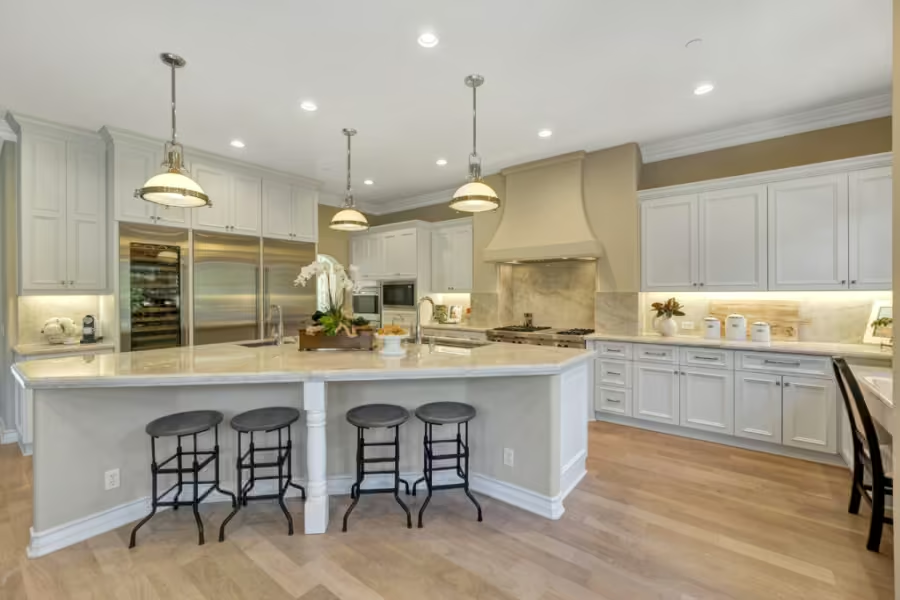
Written and reviewed by the Remodeling Team at Mr. Cabinet Care | Last updated: May 13, 2026
A kitchen remodel is one of the most impactful home improvement projects a homeowner can undertake. As homes increasingly blend open layouts, modern aesthetics, and functionality, kitchen remodeling has become a major priority for homeowners looking to improve comfort, efficiency, and property value.
Whether you are planning a luxury kitchen renovation, updating an outdated layout, or improving a small kitchen space, understanding the remodeling process helps reduce stress and improve results.
This complete kitchen remodeling guide explains everything homeowners should know, from planning and budgeting to design trends, timelines, and what to expect during construction.
If you are just starting your remodeling journey, it may also help to first understand the basics of kitchen remodeling and how the process works.
Why Kitchen Remodeling Is a Top Home Improvement Project
Modern homes place strong emphasis on open layouts, entertaining spaces, and natural light. Older kitchens often feel closed off, inefficient, or outdated compared to today's living preferences.
A kitchen remodel can help homeowners:
- Improve daily functionality.
- Increase storage space.
- Enhance home value.
- Modernize aesthetics.
- Improve energy efficiency.
- Create better entertaining areas.
- Support indoor-outdoor living.
Many homeowners also remodel kitchens before selling their homes to improve market appeal in competitive real estate markets.
Signs it May Be Time to Remodel Your Kitchen
Not every kitchen requires a full renovation, but several signs indicate it may be time for an upgrade.
Common Reasons Homeowners Remodel Kitchens
- Outdated cabinets or countertops.
- Poor kitchen layout.
- Limited storage space.
- Insufficient lighting.
- Worn flooring or finishes.
- Appliance inefficiency.
- Lack of seating or workspace.
- Water damage or aging materials.
If your kitchen no longer supports your lifestyle, a remodel can dramatically improve both appearance and usability.
Homeowners looking for inspiration may also benefit from exploring modern kitchen remodel ideas before starting the planning process.
Step 1: Planning Your Kitchen Remodel
Planning is one of the most important phases of a successful kitchen renovation. A clear plan helps avoid delays, budget issues, and design mistakes later in the project.
Define Your Remodeling Goals
Start by identifying your priorities.
Ask yourself:
- Do you need more storage?
- Is the layout inefficient?
- Are you remodeling for resale value?
- Do you want a more modern design?
- Are appliances outdated?
- Is your kitchen too small?
Clear goals help shape design decisions and budget expectations.
Establish a Realistic Budget
Kitchen remodeling costs vary widely depending on:
- Kitchen size.
- Material selections.
- Structural changes.
- Cabinet quality.
- Appliance upgrades.
- Labor costs.
Average Kitchen Remodel Cost Breakdown
| Remodel Type | Estimated Cost Range |
| Minor kitchen update | $15,000–$30,000 |
| Mid-range remodel | $30,000–$70,000 |
| Luxury kitchen renovation | $70,000+ |
For a deeper cost breakdown, homeowners can review this detailed kitchen remodeling cost guide.
Prioritize Must-Have Features
Some upgrades provide more daily value than others.
Popular priorities include:
- Custom cabinetry.
- Kitchen islands.
- Quartz countertops.
- Walk-in pantries.
- Smart appliances.
- Improved lighting.
- Open shelving.
- Better workflow.
Step 2: Designing a Functional Modern Kitchen
Great kitchen design balances aesthetics with functionality. A visually beautiful kitchen still needs to support cooking, cleaning, storage, and entertaining efficiently.
Understanding the Kitchen Work Triangle
The traditional kitchen work triangle connects:
- Sink.
- Refrigerator.
- Stove.
Efficient spacing between these areas helps improve workflow and reduce congestion.
Popular Kitchen Layouts
| Layout Type | Best For |
| L-shaped kitchen | Open-concept homes |
| U-shaped kitchen | Larger kitchens |
| Galley kitchen | Narrow spaces |
| Island kitchen | Entertaining and storage |
| Peninsula kitchen | Semi-open layouts |
Choosing a Modern Design Style
Modern kitchens often blend contemporary design with warmth and functionality.
Popular styles include:
- Modern minimalist kitchens.
- Transitional kitchens.
- Industrial modern kitchens.
- Organic modern aesthetics.
- Scandinavian-inspired kitchens.
Homeowners interested in sleek contemporary aesthetics may also enjoy these ideas for how to remodel a modern kitchen.
Step 3: Selecting Materials and Finishes
Material choices significantly affect durability, maintenance, and long-term value.
Popular Countertop Materials
| Material | Benefits |
| Quartz | Low maintenance, modern look |
| Granite | Natural appearance, durable |
| Marble | Luxury aesthetic |
| Butcher block | Warm, organic feel |
Cabinet Considerations
Cabinets are often the focal point of the kitchen.
Popular cabinet trends include:
- Flat-panel cabinets.
- White shaker cabinets.
- Natural wood finishes.
- Two-tone cabinetry.
- Matte black hardware.
Custom cabinetry can maximize storage while supporting a cleaner minimalist appearance.
Flooring Options
Durable flooring matters in high-traffic kitchens.
Common choices include:
- Luxury vinyl plank.
- Porcelain tile.
- Engineered hardwood.
- Natural stone.
Step 4: Hiring the Right Kitchen Remodeling Contractor
Choosing the right contractor is one of the biggest factors in project success.
A qualified remodeling contractor helps:
- Manage timelines.
- Coordinate permits.
- Ensure code compliance.
- Oversee subcontractors.
- Reduce costly mistakes.
What to Look for in a Contractor
- Licensed and insured.
- Local remodeling experience.
- Strong reviews and references.
- Transparent pricing.
- Clear communication.
- Portfolio of completed projects.
Homeowners comparing professionals can use this helpful guide on choosing a kitchen remodeling contractor.
Step 5: Understanding the Remodeling Timeline
One of the most common homeowner questions is: “How long will a kitchen remodel take?”
While timelines vary, most kitchen renovations follow a general schedule.
Typical Kitchen Remodel Timeline
| Project Phase | Estimated Time |
| Planning and design | 2–6 weeks |
| Material ordering | 2–8 weeks |
| Demolition | 1 week |
| Construction | 4–12 weeks |
| Final inspections | 1 week |
Factors that may extend timelines include:
- Permit delays
- Custom cabinetry lead times
- Structural changes
- Material shortages
- Change orders during construction
What to Expect During Construction
Kitchen remodeling can temporarily disrupt daily routines, especially in active family homes.
During Construction, Expect:
- Noise and dust.
- Limited kitchen access.
- Temporary cooking arrangements.
- Contractor traffic.
- Utility interruptions.
Preparing ahead can help reduce stress during the renovation process.
Tips for Managing a Remodel
- Create a temporary kitchen setup.
- Store essential appliances elsewhere.
- Keep daily-use items accessible.
- Plan simple meals.
- Communicate regularly with your contractor.
Small Kitchen Remodeling Tips
Not every home has a large open kitchen. Smaller kitchens can still feel modern, functional, and spacious with smart design strategies.
Ways to Maximize Small Kitchens
- Add vertical storage.
- Use light color palettes.
- Install under-cabinet lighting.
- Choose multi-functional islands.
- Use reflective finishes.
- Incorporate open shelving.
Homeowners working with limited space may also find inspiration in these small kitchen remodel ideas.
Current Kitchen Remodeling Trends
Modern kitchens often focus on simplicity, warmth, and lifestyle functionality.
Current Design Trends
- Large waterfall islands.
- Hidden appliances.
- Smart kitchen technology.
- Sustainable materials.
- Mixed textures.
- Warm wood tones.
- Oversized windows.
- Indoor-outdoor entertaining spaces.
Many homeowners now prioritize timeless designs that will age well instead of short-lived trends.
Final Thoughts
A successful kitchen remodel requires thoughtful planning, smart budgeting, quality craftsmanship, and a clear understanding of the remodeling process. Whether you are creating a modern entertaining space, improving functionality, or increasing home value, careful preparation helps ensure better long-term results.
Homeowners today have access to a wide range of design possibilities, from sleek modern kitchens to warm transitional spaces tailored to contemporary lifestyles.
By understanding what to expect before construction begins, homeowners can make confident decisions and create kitchens that balance beauty, comfort, and functionality for years to come.