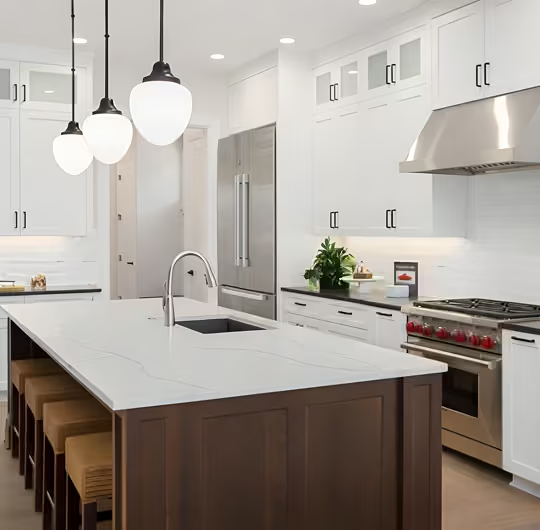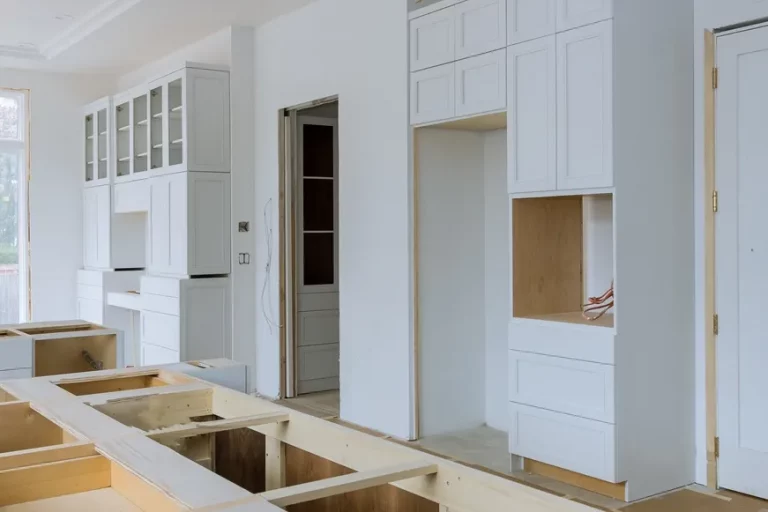
A kitchen remodel can significantly improve your home, but the construction phase can also disrupt everyday routines. Since most kitchen remodeling projects take 6–12 weeks, planning ahead can help you stay comfortable, safe, and organized while your kitchen is out of commission.
This blog covers practical, realistic ways to prepare for and live through a kitchen renovation, including temporary kitchen setups, meal strategies, dust control, and safety considerations.
What to Expect During a Kitchen Remodel
A kitchen renovation typically involves:
- Demolition of old cabinets, countertops, and appliances.
- Electrical, plumbing, and structural updates.
- Installation of new cabinetry, floors, and surfaces.
- Drywall cutting, sanding, and painting.
- Frequent dust, noise, and limited kitchen access.
Understanding the process helps you prepare your home and routines before the work begins.
Homeowners comparing different upgrade options can also explore kitchen remodeling vs. kitchen renovation to decide which level of update suits their needs.
How to Prepare for a Kitchen Remodel
Before the crew arrives, take time to set up your home for a smoother experience.
1. Declutter and pack up the kitchen
- Label boxes clearly (daily-use items vs. long-term storage).
- Keep only essentials accessible - plates, cutlery, one pan, etc.
- Store fragile items safely away from the renovation zone.
2. Protect adjacent rooms
- Cover furniture and flooring near the kitchen to prevent dust from settling in unexpected places.
If you're updating your cabinetry as part of the remodel, reviewing options for cabinet refacing can help determine whether you need full replacement or a simpler refresh.
Where Should You Set Up a Temporary Kitchen?
A functional temporary kitchen helps you maintain daily routines without overspending on takeout.
Best spots for a temporary kitchen:
- Dining room
- Garage
- Patio
- Spare bedroom or study
- Laundry room (if there's a utility sink)
- Items to move to your temporary setup:
- Microwave
- Air fryer, toaster oven, or hot plate
- Electric kettle or coffee maker
- One cutting board and a small set of utensils
- Disposable plates and bowls (optional but convenient)
Tip: Keeping the temporary kitchen far from the construction zone reduces noise and dust exposure.
If you're planning material upgrades while rearranging items, you may also want to browse new countertop options so installation is timed correctly with your project schedule.
How to Keep Dust and Debris Under Control
Kitchen remodels generate a significant amount of dust—especially during demolition and drywall sanding.
1. Build a dust barrier: Use plastic sheeting or painter’s zip walls to block the spread of dust into hallways and living areas.
2. Protect floors: A damp cloth placed at the transition point between rooms can help trap dust tracked in on shoes.
3. Ask your contractor about ventilation
Professionals often use:
- Fans facing outward
- Air scrubbers
- Vacuum-assisted sanders
If possible, request that dust-heavy tasks be done while you're away from home.
What Should You Eat During a Kitchen Remodel?
Cooking will be more limited, so simple meals are your best friend.
1. Choose meals that require minimal prep
- One-pot soups
- Pastas
- Stir-fry dishes
- Salads
- Meats made in an air fryer or toaster oven
2. Stock up on convenient essentials
- Pre-washed veggies
- Rotisserie chicken
- Microwaveable rice
- Pre-cooked proteins
- Frozen meals
3. Consider batch cooking
- Prepare meals ahead and freeze them to simplify your daily routine.
Keep Children and Pets Safe Around the Renovation Area
A remodel is an active construction site. Safety should stay top of mind.
1. Create designated child-friendly areas: Keep kids far from heavy tools, loose nails, and electrical cords.
2. Secure pets in closed rooms: Cats and dogs may become anxious or curious about loud noises and dust.
3. Communicate daily with the crew: Ask which areas are safe to use each day.
Final Thoughts
Living through a kitchen remodel can feel overwhelming, but the experience is manageable with proper preparation. Setting up a temporary kitchen, planning your meals, and maintaining a clean, safe environment can help you stay comfortable until your new kitchen is ready.