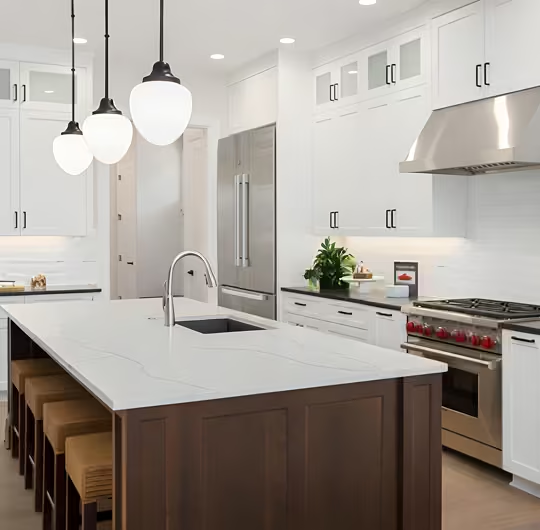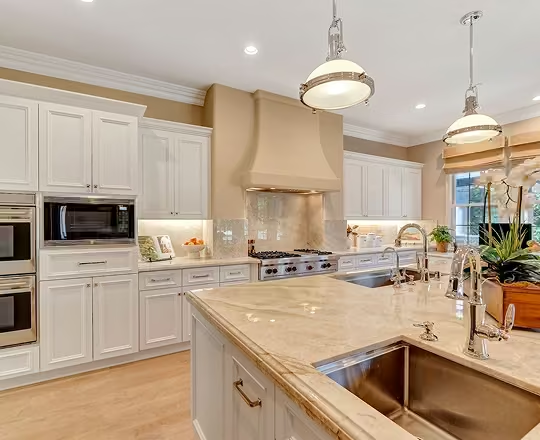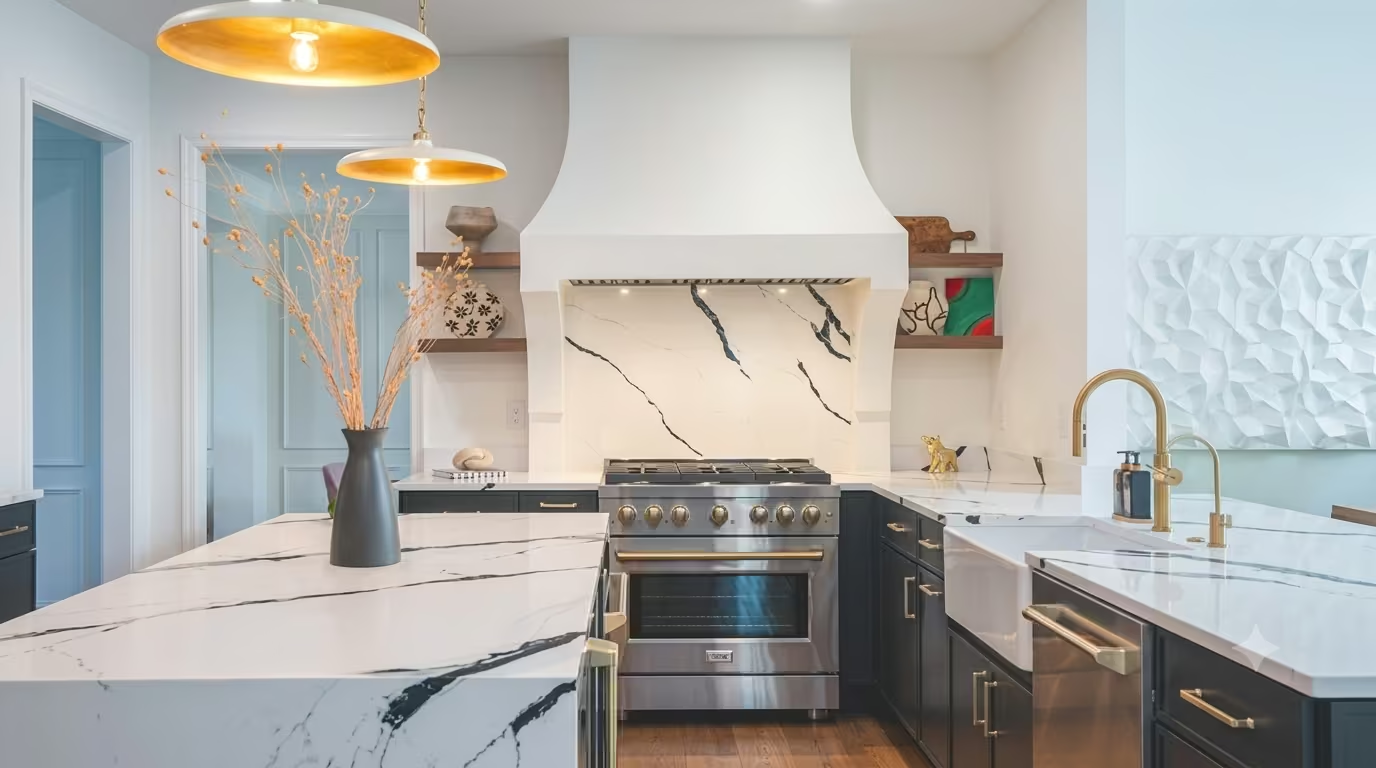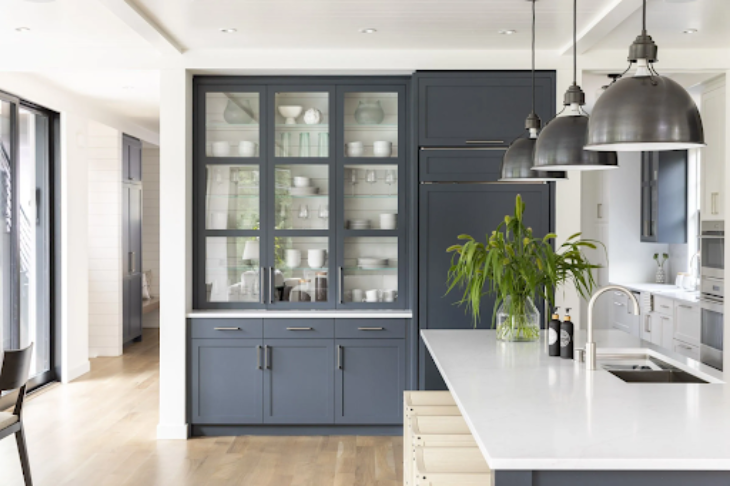
When you think about a kitchen makeover, what’s the first thing that comes to mind? For most homeowners, it’s the cabinets, especially the doors. Cabinet doors aren’t just functional; they set the tone for your kitchen’s entire design. From sleek and modern slabs to classic shaker styles, the doors you choose can completely transform your space.
This guide will walk you through everything you need to know about kitchen cabinet doors - styles, materials, finishes, and even pros and cons - so you can make the best choice for your home.
What Makes Cabinet Doors So Important in Kitchen Design?
Cabinet doors dominate your kitchen’s visual space, which means the style you pick will influence the overall look and feel. They’re also a practical choice, helping with storage, organization, and durability. In short, the right doors bring together both style and function.
Which Cabinet Door Styles Are Popular Right Now?
From timeless classics to bold modern looks, these styles continue to be homeowner favorites:
- Shaker Doors: Clean, simple, versatile for any kitchen design.
- Flat (Slab) Doors: Minimalist and sleek, perfect for modern spaces.
- Distressed Doors: Rustic, aged charm for farmhouse-style kitchens.
- Glass-Front Doors: Open, airy, and perfect for displaying dishware.
Tip: Shaker and flat styles are safe bets if you want something timeless.
What Materials Should You Consider for Cabinet Doors?
The material determines not just the look but also durability, cost, and maintenance. Common choices include:
- MDF (Medium Density Fiberboard): Affordable, smooth, and great for painted finishes.
- Plywood: Strong, moisture-resistant, and more stable than particleboard.
- Particleboard: Budget-friendly but less durable, better for short-term or rental kitchens.
- Solid Wood: Durable and timeless, with popular options like oak, maple, cherry, hickory, and pine.
Tip: Plywood and MDF offer a balance of durability and affordability without the cost of solid wood.
Should You Go With High-Gloss or Matte Finishes?
The finish impacts style and practicality:
1. High Gloss Finish
- Reflects light, makes small kitchens feel larger, easy to clean.
- Shows fingerprints and scratches more easily.
2. Matte Finish
- Subtle, classic, hides scratches well.
- Can show grease stains and may require more upkeep.
Tip: Go glossy if you want a modern vibe, or matte if you prefer timeless and low-key.
Are Glass Cabinet Doors a Good Choice?
Glass-front doors add elegance and make kitchens feel more spacious.
- Pros: Stylish, brightens the room, easy to clean, helps you locate items.
- Cons: Shows clutter, requires neat storage, and can be fragile.
Tip: Best for upper cabinets if you want to showcase dishware or décor.
What About Thermofoil Cabinet Doors?
Thermofoil is a budget-friendly option with both benefits and drawbacks.
- Pros: Affordable, stain-resistant, easy to clean, consistent finish.
- Cons: Sensitive to heat, may peel or blister over time, scratches can’t be repaired.
Tip: A great choice if you’re upgrading on a budget and don’t have heavy cooking heat nearby.
How Can You Upgrade Your Cabinet Doors Without Replacing Them?
You don’t always need brand-new cabinets to refresh your kitchen. Popular upgrade methods include:
- Cabinet Refacing: Replace doors and drawer fronts while keeping existing boxes.
- Cabinet Painting: A fresh coat of paint brings instant change.
- Cabinet Refinishing: Sand and re-stain natural wood to restore beauty.
- Glass Inserts: Add a touch of sophistication with glass panels.
- Cabinet Door Replacement: Swap outdated doors for a new style.
Tip: Cabinet Refacing is one of the most cost-effective ways to achieve a new look without a full remodel.
Explore: Cabinet Refacing options
What are the Pros and Cons of Different Cabinet Door Options?
Here’s a quick snapshot to help you compare:
| Door Option | Pros | Cons |
| Glass Doors | Stylish, open feel, easy to clean | Shows clutter, fragile |
| Thermofoil | Affordable, stain-resistant | Heat-sensitive |
| Solid Wood | Durable, timeless, can refinish | Expensive, may warp |
| MDF | Budget-friendly, smooth finish | Not water-resistant |
| Plywood | Strong, moisture-resistant | More costly than MDF |
| High Gloss Finish | Modern, reflective, easy to wipe | Shows smudges & scratches |
| Matte Finish | Hides scratches, versatile | Prone to grease marks |
How Do You Decide Which Cabinet Doors Are Right for You?
When choosing, keep these points in mind:
- Kitchen Style: Modern kitchens pair well with slabs or gloss finishes. Rustic kitchens shine with shaker or matte.
- Lifestyle Needs: Heavy cooking? Avoid thermofoil near heat sources. Busy family? Skip glass to hide clutter.
- Budget: Painting and refacing are affordable. Solid wood or custom inset are investments.
- Maintenance: Gloss needs more wiping, while natural wood may require refinishing.
Final Thoughts
Your cabinet doors are more than just a practical choice. They define your kitchen’s personality. Whether you go for sleek slabs, rustic wood, or airy glass fronts, the right combination of style, material, and finish will set the tone for your space.
Upgrading doesn’t have to mean a full remodel. Even small changes like painting, refacing, or swapping doors can give your kitchen a whole new life.