White kitchen cabinets have topped homeowner preference surveys for decades and continue to dominate real estate listings, design magazines, and Pinterest boards. The look feels clean, timeless, and easy to live with, which is why so many remodels default to white. But white is not the right choice for every kitchen or every homeowner. It shows more wear, requires more upkeep, and can feel flat without the right design elements around it.
This guide covers the honest pros and cons of white kitchen cabinets, the shades and undertones that work in different lighting, and design ideas that keep a white kitchen from looking bland.
Why White Kitchen Cabinets Remain So Popular
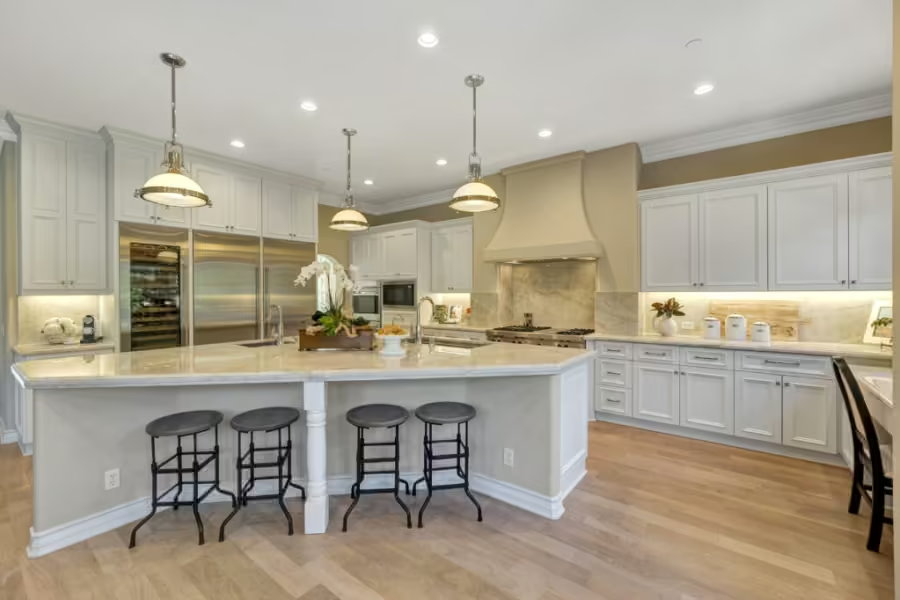
White cabinets reflect light, work with almost any countertop or flooring, and hold their appeal across design trends. They make small kitchens feel larger, brighten kitchens with limited natural light, and give homeowners a neutral base for backsplashes, hardware, and countertops. That flexibility is why white remains one of the most common cabinet choices in kitchen remodels and new builds.
Pros of White Kitchen Cabinets
White cabinets earn their popularity for practical reasons as well as aesthetic ones.
- Timeless Style
White has been a top kitchen cabinet choice for close to a century, from farmhouse kitchens in the 1920s to modern coastal, transitional, and Scandinavian designs today. A well-designed white kitchen still looks current 10 to 20 years after installation, which is longer than most trend-driven colors hold up.
- Makes Kitchens Feel Larger and Brighter
White has one of the highest light reflectance values of any paint color, meaning it bounces light around the room instead of absorbing it. In small kitchens, galley layouts, or kitchens with limited windows, white cabinets can visually expand the space and reduce the need for extra artificial lighting.
- Design Flexibility
White pairs with nearly every finish, material, and color. Homeowners can switch out hardware, backsplash tile, or wall paint without needing to replace the cabinets. That flexibility makes it easier to refresh the look of a kitchen over time without committing to a full remodel.
- Strong Resale Value
Real estate data consistently shows that white kitchens appeal to the broadest pool of buyers. A neutral, well-maintained white kitchen photographs well in listings and lets buyers picture their own belongings in the space, which can help homes sell faster and closer to asking price.
- Easy to Refresh Over Time
If white cabinets ever start to look dated, they can often be updated with a new backsplash, hardware swap, or paint refresh rather than replacement. Painted wood cabinets in white can be repainted to a different color years later, giving the kitchen a second life without new cabinetry.
Cons of White Kitchen Cabinets
White has real drawbacks that homeowners should weigh before committing.
- Shows Dirt, Smudges, and Splatters
Every drop of coffee, splash of tomato sauce, and set of fingerprints shows more clearly on white. White cabinets do not actually get dirtier than darker cabinets, but the contrast makes messes more visible. Kitchens with heavy daily cooking, young children, or dogs at cabinet-nose height need more frequent wiping down.
- Can Yellow or Discolor Over Time
Painted white cabinets, especially those in direct sunlight or near cooking surfaces, can gradually take on a yellow or beige cast. Airborne grease, UV exposure, and lower-quality paint or finishes accelerate the yellowing. In Southern California kitchens with strong afternoon sun, this is worth planning for, either by selecting a warm off-white that hides yellowing or by using window treatments during peak sun hours.
- Highlights Wear and Tear
Nicks, dings, chipped corners, and worn edges are far more visible on white than on stained wood or darker painted finishes. Cheaper white cabinets show their age quickly, which is why cabinet quality and construction matter more when the finish is white.
- Risk of Feeling Cold or Clinical
An all-white kitchen with white walls, white countertops, and white flooring can start to feel more like a hospital than a home. Without warm accents, texture, or contrast, the space loses personality. Choosing the wrong shade of white (too cool, too bright) makes this worse.
- Limited Character on Its Own
White is a supporting player. It lets other design elements stand out, but it does not add much visual interest by itself. Homeowners who want a kitchen with strong personality often need to pair white cabinets with bold hardware, patterned tile, or textured materials to avoid a flat look.
Pros vs. Cons of White Kitchen Cabinets at a Glance
| Factor | Pros | Cons |
| Style longevity | Timeless, works across decades | Can feel dated if not paired with fresh accents |
| Light and space | Reflects light, makes rooms feel larger | Can feel too bright in sunny kitchens |
| Design flexibility | Pairs with any color, material, or metal | Limited character on its own |
| Maintenance | Painted wood can be repainted later | Shows dirt, smudges, and grease more visibly |
| Aging | Neutral tone stays broadly appealing | Yellowing possible near sunlight and stovetops |
| Wear | Refinishable with proper preparation | Nicks and chips more visible than on darker finishes |
| Resale | Broad buyer appeal, strong photo appeal | Overly clinical looks turn some buyers off |
Choosing the Right Shade of White
Not every white looks the same on a cabinet door. Undertone is the difference between a kitchen that feels warm and inviting and one that feels stark.
- Cool Whites
Cool whites have blue, gray, or green undertones. They read as crisp and modern, and work well in kitchens with warm-toned flooring or countertops where you want contrast. Examples include Benjamin Moore Chantilly Lace and Sherwin-Williams Extra White. Cool whites can feel harsh in kitchens with cool lighting or limited natural light.
- Warm Whites
Warm whites carry a subtle yellow, beige, or pink undertone. They feel softer and more inviting, and they hide slight yellowing better than cool whites. Sherwin-Williams Alabaster and Benjamin Moore Simply White are widely used in transitional and traditional kitchens. Warm whites pair especially well with brass or gold hardware.
- Creamy Whites and Off-Whites
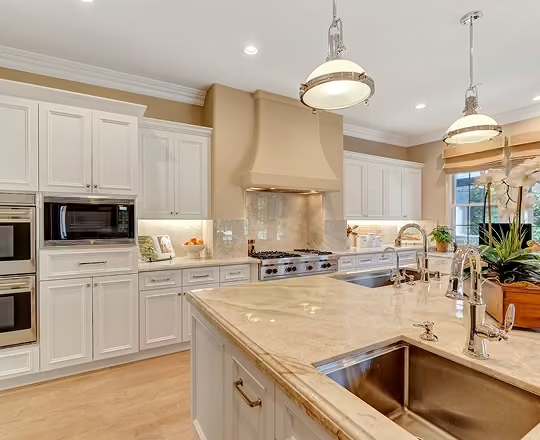
Creamy whites lean further toward beige, ivory, or oatmeal. They read as vintage or farmhouse and work in homes with warm hardwood floors, natural stone countertops, or antique brass fixtures. Creamy whites are less crisp than true whites, so they can feel dated in ultra-modern kitchens.
Always view white samples in your actual kitchen lighting, at different times of day, before committing. A shade that looks perfect under showroom lights can shift dramatically under your kitchen's natural light.
White Kitchen Cabinet Design Ideas
The right design choices around white cabinets are what separate a memorable kitchen from a flat one.
- Two-Tone Kitchens
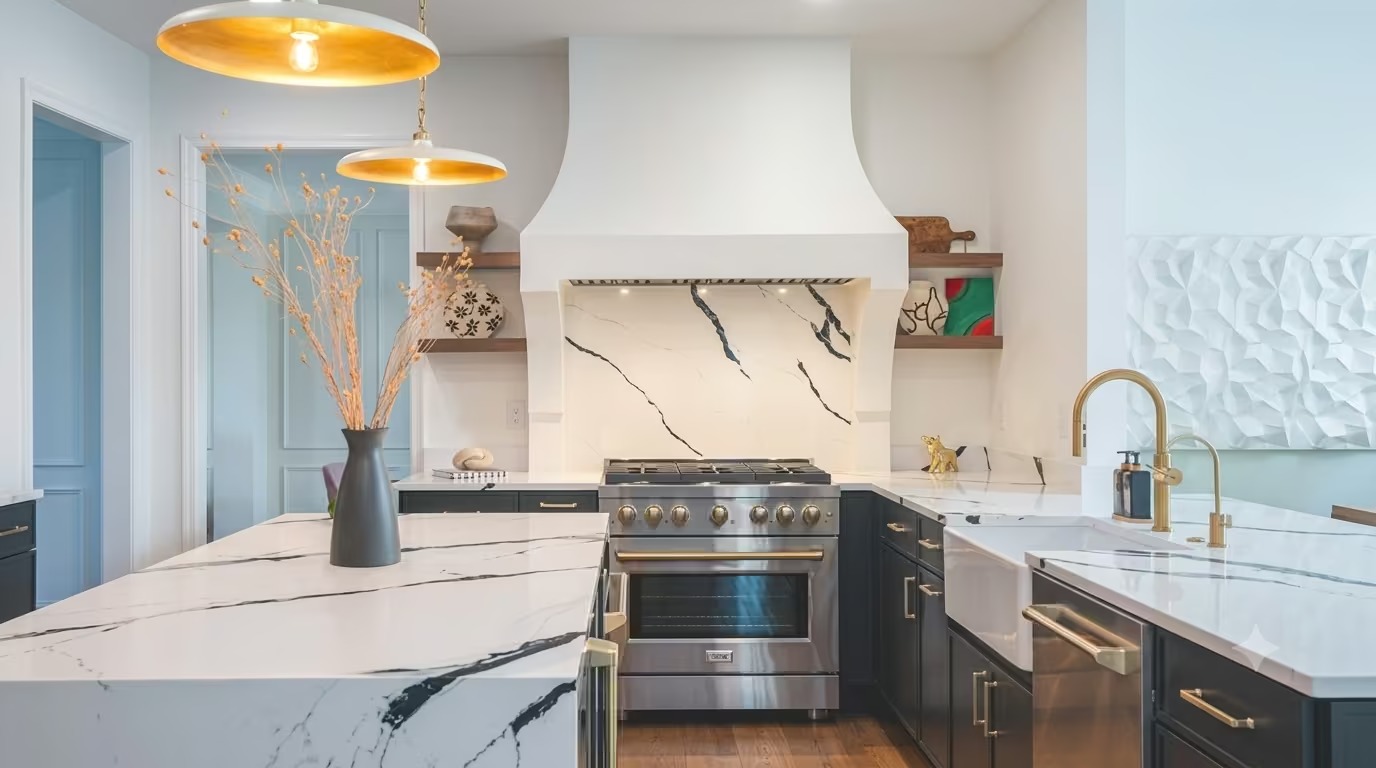
Pair white upper cabinets with darker lower cabinets in navy, forest green, charcoal, or natural wood. Two-tone designs anchor the room visually, hide wear on the lowers (which see more use), and add depth without abandoning the brightness of white.
- Classic White Shaker Cabinets
Shaker doors have a clean recessed panel with simple frame trim, and they remain one of the most-requested white cabinet styles. They fit modern, traditional, coastal, and farmhouse kitchens equally well. For a deeper look at this style, see the complete guide to Shaker style kitchen cabinets.
- Flat-Panel White for a Modern Look
Slab-front white cabinets, often in matte or satin finishes, deliver a sleek, minimalist look. They work well in contemporary kitchens with quartz waterfall islands, integrated appliances, and clean-line hardware or push-to-open doors with no visible pulls.
- Farmhouse White with Character
Farmhouse kitchens use white cabinets alongside a farmhouse-style apron sink, open shelving, beadboard details, and rustic wood accents. Creamy whites and glazed finishes suit this style better than pure whites.
- All-White with Statement Hardware
If the entire kitchen is white (cabinets, countertops, backsplash), hardware becomes the design focal point. Brushed gold, matte black, brushed nickel, and unlacquered brass all work with white cabinets, but each shifts the mood. Gold and brass warm the space, while black and nickel keep it crisp and modern.
- White Cabinets Paired with Wood
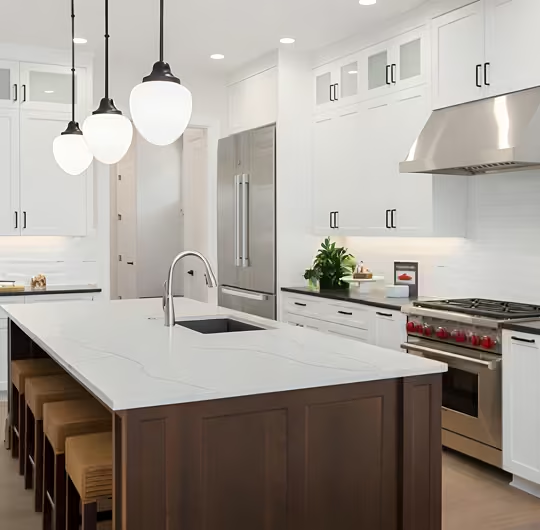
Balance white cabinetry with wood elements elsewhere in the kitchen: a natural wood island, wood open shelving, butcher-block countertops, or wide-plank flooring. Wood adds the warmth that all-white kitchens often lack, without giving up brightness.
Explore: Kitchen Cabinet Options
How to Keep White Cabinets Looking Fresh
Maintenance is the single biggest factor in whether white cabinets still look good 10 years after installation.
- Wipe down cabinet fronts weekly with a soft cloth and mild dish soap solution. Grease buildup is the main cause of yellowing near stoves and range hoods.
- Skip harsh cleaners. Ammonia, bleach, and abrasive scrubbers can damage the finish and speed up discoloration.
- Clean spills quickly. Tomato sauce, red wine, coffee, and turmeric can leave shadow stains if left overnight.
- Manage direct sunlight. Use blinds or window films to reduce UV exposure during peak afternoon hours, especially in south-facing kitchens.
- Choose quality finishes upfront. A cabinet-grade paint or factory-applied finish holds its color far longer than site-applied paint on lower-grade cabinets.
Final Thoughts
White kitchen cabinets deliver a bright, timeless look that adapts to nearly any style, but the finish choice, cabinet quality, and design elements around them are what determine whether the kitchen stays fresh or turns bland. Homeowners who want white should plan for the extra cleaning it takes, choose a shade that suits their lighting, and layer in warmth through hardware, wood accents, or textured surfaces.
For a broader look at cabinet color options beyond white, the kitchen cabinet colors guide covers current classics and trending shades.
FAQs
No. White cabinet demand has softened slightly as darker greens, blues, and natural wood have gained popularity, but white still leads homeowner surveys and remains the most common choice in remodels. Fresh design choices around the cabinets (hardware, backsplash, mixed materials) keep white kitchens looking current.
Painted white cabinets can yellow, especially in kitchens with heavy cooking, direct sunlight, or lower-quality paint. Modern factory finishes and higher-grade paints resist yellowing far better than they used to. Choosing a warm white with a slight undertone also masks any yellowing that does develop.
They are not harder to clean, but dirt and smudges are more visible on white. Most homeowners wipe white cabinets down more often simply because they can see what needs cleaning. Semi-gloss and satin finishes are easier to clean than flat or matte finishes.
White cabinets pair with almost any countertop. Popular combinations include white or gray quartz for a bright, seamless look; veined marble or marble-look quartz for elegance; dark granite or soapstone for high contrast; and butcher block or wood for warmth. The right choice depends on how much contrast you want.
Real estate data consistently shows that neutral kitchens, including white, appeal to more buyers than boldly colored ones. A well-maintained white kitchen can help a home sell faster and photograph better in listings, though the direct dollar impact depends on the overall condition of the kitchen and home.
Warm whites like Sherwin-Williams Alabaster and Benjamin Moore Simply White are among the most-used shades because they suit a wide range of lighting conditions and pair well with both warm and cool accents. For strictly modern kitchens, cooler whites like Chantilly Lace remain popular.