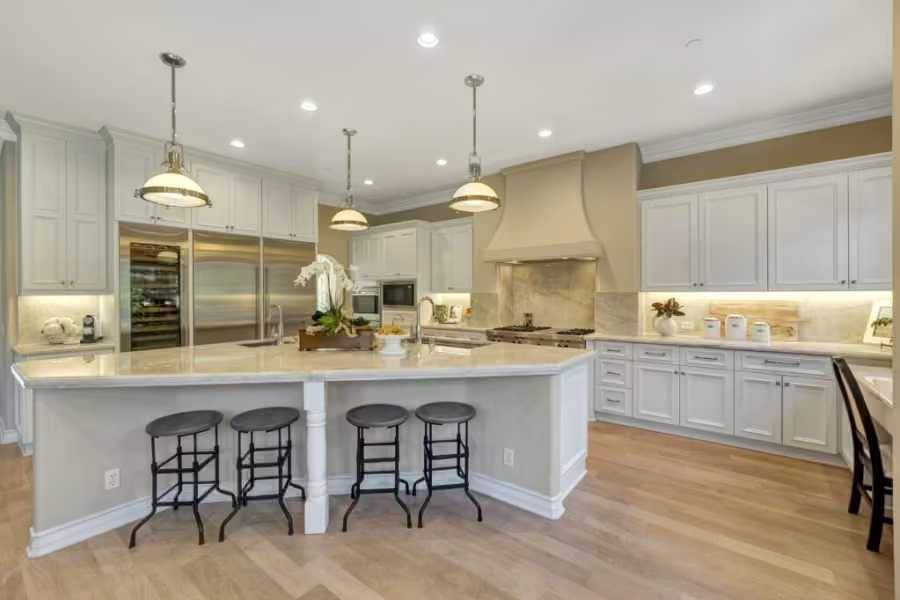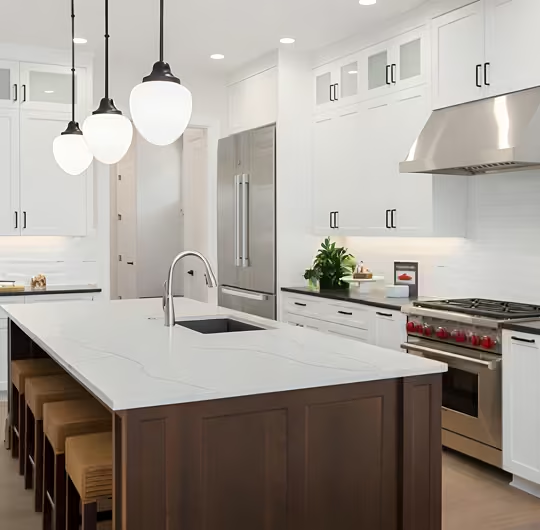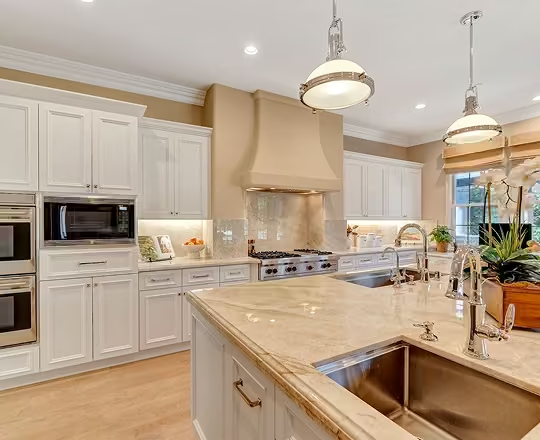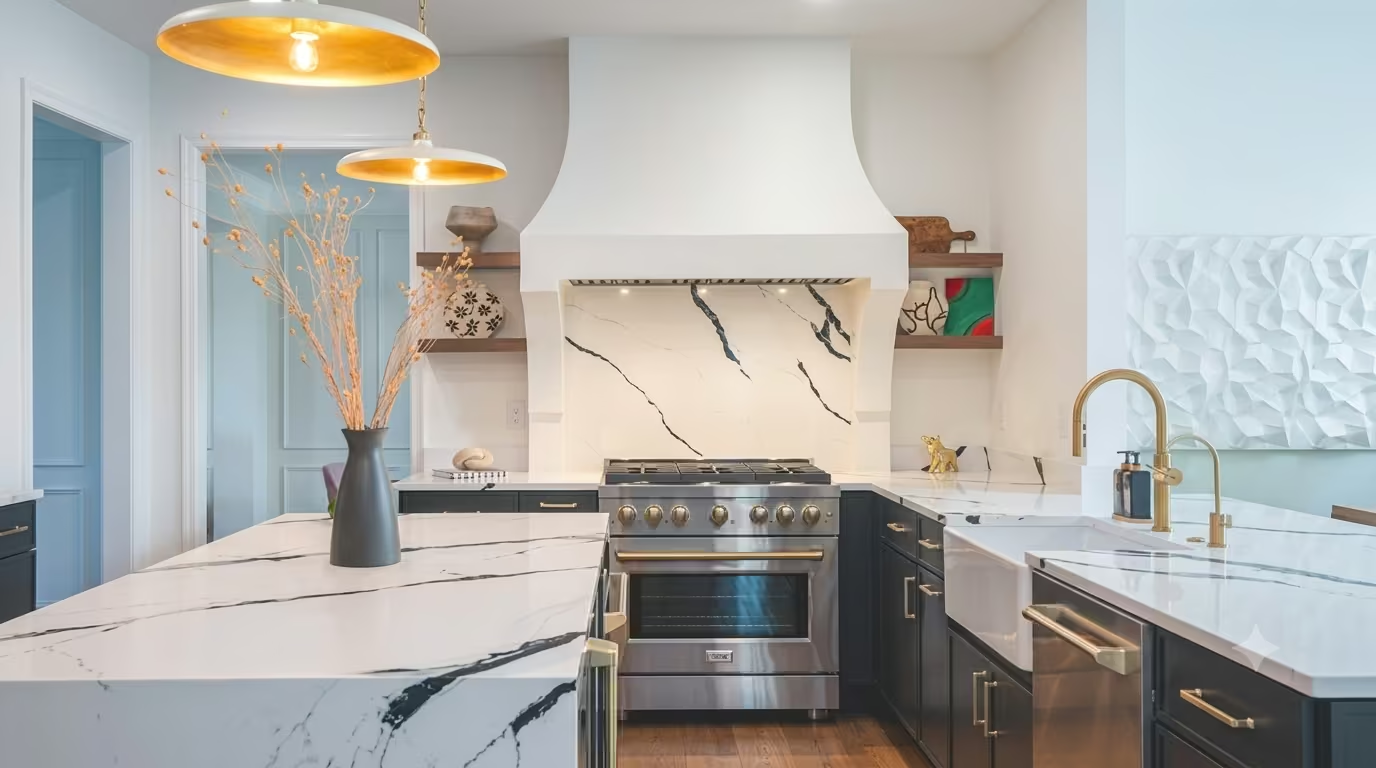
When planning a kitchen remodel, it's easy to focus on cabinets, countertops, flooring, and appliances while overlooking one of the hardest-working features in the room, a range hood.
A range hood helps remove smoke, steam, grease, cooking odors, and airborne particles generated during cooking. Beyond improving ventilation, it can also help keep your kitchen cleaner, protect nearby surfaces, and complement your overall kitchen design.
If you're planning a kitchen remodeling or renovation, it's worth considering your ventilation needs early in the design process. Choosing the right range hood alongside your cabinetry and appliance layout helps create a kitchen that's both functional and comfortable to use.
How Does a Range Hood Improve Your Kitchen?
A range hood does more than remove cooking odors. It helps create a cleaner, more comfortable kitchen while protecting nearby surfaces from everyday cooking byproducts.
Every time you cook, your kitchen fills with smoke, steam, grease particles, heat, and airborne odors. Without proper ventilation, these contaminants can circulate throughout the room and settle on cabinets, countertops, backsplashes, walls, and light fixtures.
By capturing and venting them at the source, a range hood helps:
- Remove smoke, steam, and cooking odors.
- Improve indoor air circulation.
- Reduce airborne grease before it settles on surfaces.
- Minimize moisture around the cooking area.
- Help keep cabinets, countertops, and backsplashes cleaner.
- Make routine kitchen cleaning easier.
- Create a more comfortable cooking environment by drawing away excess heat.
These benefits are especially noticeable in open-concept kitchens, where cooking odors and smoke can easily spread into adjoining living spaces.
When planning a remodel, it's worth considering ventilation alongside your cabinetry and appliances. Choosing the right Kitchen Range Hood helps protect your kitchen finishes while supporting better day-to-day performance.
Can a Range Hood Improve Kitchen Lighting?
Many range hoods include built-in LED lighting that provides focused illumination directly over the cooktop.
This additional task lighting can:
- Improve visibility while cooking.
- Make food preparation easier.
- Help you spot spills during cleanup.
- Reduce the need for additional overhead lighting.
While lighting shouldn't be the primary reason for choosing a range hood, it's a practical feature that enhances day-to-day use.
Related Read: Kitchen Lighting Ideas
Should You Choose a Ducted or Ductless Range Hood?
One of the biggest decisions homeowners face is choosing between a ducted and a ductless range hood.
Ducted Range Hoods
Ducted systems vent smoke, moisture, grease, and odors outside the home, making them the most effective option for kitchens where extensive cooking is common.
They are often recommended for:
- Gas cooktops
- Larger kitchens
- Frequent cooking
- High-output ranges
Ductless Range Hoods
Ductless, or recirculating, range hoods filter the air before returning it to the kitchen. These systems are often used when installing exterior ductwork isn't practical, such as in certain condominiums or remodeling projects with structural limitations.
Although they can improve air quality, they generally require regular charcoal filter replacement to maintain their performance.
How Do You Choose the Right Range Hood?
Choosing a range hood involves more than selecting a style that matches your kitchen. The right model should provide adequate ventilation while fitting your cooking habits and kitchen layout.
Here are a few factors to consider before making your decision.
- Cooktop Size: As a general rule, your range hood should be at least as wide as your cooktop. A slightly wider hood can provide better coverage by capturing more smoke, grease, and steam.
- Ventilation Power: Range hood performance is measured in cubic feet per minute (CFM). The higher the CFM, the more air the hood can move.
If you cook frequently or use high-heat techniques like frying, searing, or stir-frying, a higher-capacity hood may be a better fit than a standard model.
- Noise Level: More powerful range hoods often generate more noise. If quiet operation is important, compare sound ratings when evaluating different models.
- Kitchen Layout: The placement of your cooktop, cabinetry, and ductwork can influence which type of range hood is most suitable. Planning these details before installation can help ensure the ventilation system performs as intended.
If you're updating multiple elements at once, incorporating ventilation into your overall kitchen remodeling plan can help create a layout that's both functional and visually cohesive.
What Mistakes Should You Avoid When Installing a Range Hood?
Choosing the wrong range hood or installing it incorrectly can reduce its effectiveness.
Some common mistakes include:
- Selecting a hood that's too small for the cooktop.
- Choosing insufficient ventilation power for your cooking habits.
- Installing the hood too high or too low above the cooking surface.
- Overlooking ductwork requirements during the planning stage.
- Neglecting routine filter cleaning or replacement.
Taking these factors into account before installation can help improve performance and reduce maintenance over time.
Final Thoughts
A range hood is more than an accessory above your cooktop. It plays an important role in improving ventilation, reducing grease buildup, managing cooking odors, and helping protect nearby cabinets and countertops.
Whether you're replacing an older unit or planning a complete kitchen remodel, selecting the right range hood early in the project can contribute to a cleaner, more comfortable, and better-functioning kitchen.
FAQs
Yes. While electric cooktops don't produce combustion gases like gas ranges, they still generate steam, grease, smoke, and cooking odors that benefit from proper ventilation.
Metal grease filters should generally be cleaned every one to three months, depending on how often you cook. Charcoal filters in ductless models should be replaced according to the manufacturer's recommendations.
In many cases, yes, but it depends on your kitchen layout, available wall space, cabinetry, and ductwork. Consulting a remodeling professional can help determine what options are feasible.
Installation height varies by manufacturer and hood type, but most residential range hoods are installed approximately 24 to 30 inches above the cooktop. Always follow the manufacturer's installation guidelines.
Yes. A kitchen remodel is often the best time to add or upgrade a range hood because ventilation, cabinetry, electrical work, and appliance placement can all be planned together for a more integrated design.