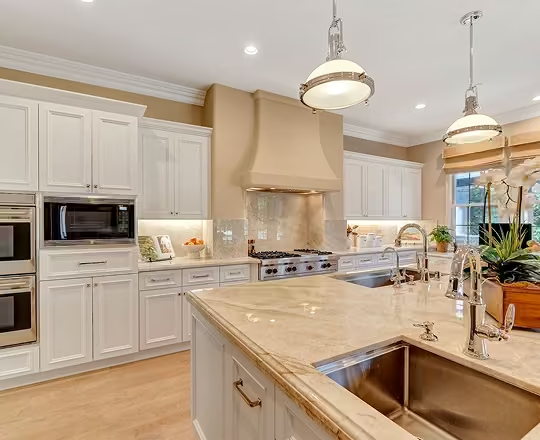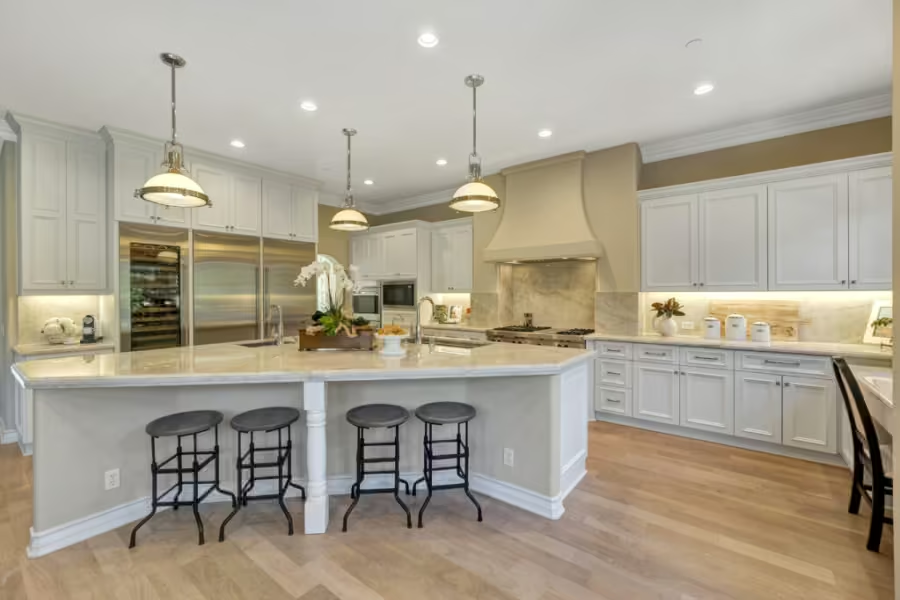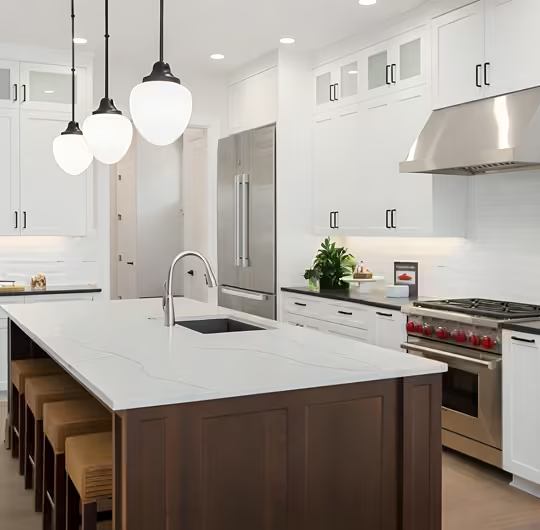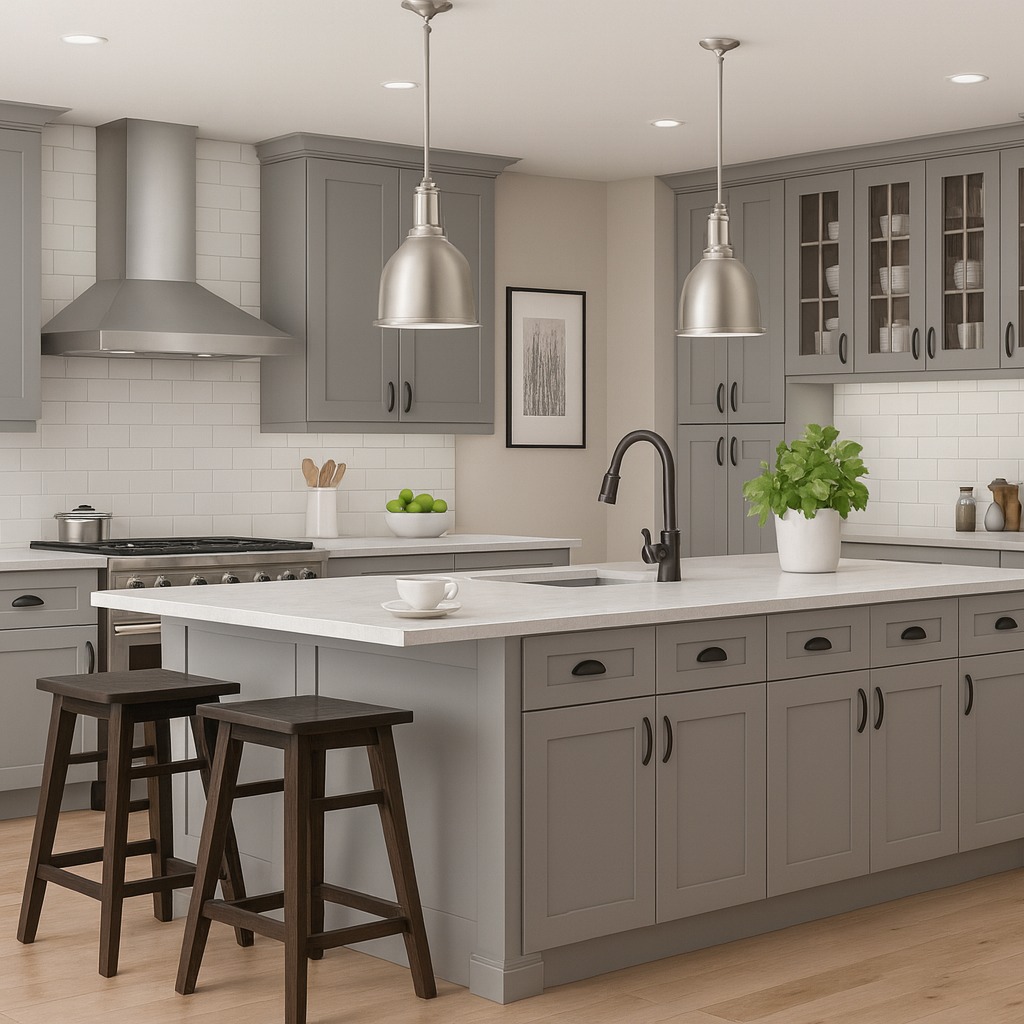
Sustainability has become a leading priority in kitchen design, with homeowners seeking materials and layouts that support long-term environmental responsibility. In 2026, the focus extends beyond aesthetics. Kitchens are now expected to minimize waste, reduce energy use, and maintain healthier indoor air quality without compromising functionality.
Key Elements of a Sustainable Kitchen Makeover
1. Eco-Friendly Cabinetry and Responsible Finishes
Cabinet upgrades often drive the environmental impact of a remodel. Many homeowners now choose FSC-certified wood, bamboo, and recycled composite panels to reduce resource consumption.
Low-VOC coatings and water-based finishes are also increasingly common, helping improve indoor air quality.
Another sustainable practice is cabinet refacing instead of replacing them. Many remodels incorporate eco-friendly refacing materials applied to the original cabinet boxes, a method aligned with the principles of cabinet refacing, which supports low-waste remodeling approaches.
2. Recycled & Renewable Countertop Materials
Recycled and reclaimed countertop surfaces are at the forefront of 2026 kitchen trends. Popular options include:
- Recycled glass.
- Composite stone made from reclaimed minerals.
- Reclaimed wood slabs.
- Eco-composites derived from repurposed plastics.
These surfaces offer the durability needed for high-use kitchens while significantly lowering environmental impact.
3. Energy-Efficient Appliances with Modern Monitoring
Appliances continue to advance, with new 2026 models incorporating energy tracking, adaptive cooling, and AI-supported modes that minimize electricity use. When planning an appliance change, homeowners often reassess their layout, making this a natural point to reference broader kitchen remodeling services where appliance placement and workflow design are evaluated together.
Related Read: AI-Optimized Kitchens
4. Water-Saving Fixtures and Practical Plumbing Updates
Sustainable kitchens increasingly include low-flow faucets, aerators, and optional greywater-compatible systems that help reduce daily water consumption. These upgrades provide long-term benefits without affecting usability, making them an easy and impactful eco-friendly improvement.
5. Sustainable Flooring for Long-Term Performance
Flooring has expanded beyond traditional hardwood or tile. Surfaces such as recycled tile, reclaimed hardwood offer longevity with lower environmental costs. Each material brings distinct benefits such as cushioning, durability, or improved thermal comfort.
Recycled & Repurposed Materials Shaping 2026 Kitchens
1. Reclaimed Wood
Reclaimed wood adds natural character and stability while eliminating the need for new lumber. It works well for shelving, decorative elements.
2. Repurposed Metal Finishes
Repurposed metals such as brushed steel or recycled aluminum are appearing in open shelving, vent hood casings, and backsplash trim. They introduce subtle texture while supporting a circular material lifecycle.
3. Eco-Composites from Recycled Plastics
Modern eco-composites provide smooth, versatile surfaces suitable for islands, worktops, and built-ins. These materials combine resource recovery with modern durability.
Zero-Waste Kitchen Design Principles
1. Layouts That Minimize Daily Waste
Zero-waste design centers on optimizing workflow. Thoughtful placement of prep zones, compost access, and organizational storage helps reduce food waste and encourages efficient habits.
2. Built-In Sorting Systems
Organized waste sorting is becoming standard, with pull-out bins for compost, recycling, and landfill waste. Storage enhancements like these naturally reference elements similar to custom cabinets, especially when discussing built-in organizers tailored to specific habits.
3. Long-Lived, Minimalist Design Elements
Zero-waste kitchens often rely on neutral palettes, durable surfaces, and simplified design elements that remain relevant over many years, reducing the need for frequent remodels.
Sustainable Kitchen Trends to Watch in 2026
Several innovations continue shaping eco-conscious kitchen design:
- Bio-based materials and natural binders.
- Carbon-neutral countertop and cabinet options.
- Multi-layer LED systems with motion sensors.
- Energy-sharing appliances that communicate with each other.
- Multi-functional work zones designed to reduce clutter.
Planning a Kitchen With Long-Term Sustainability in Mind
1. Prioritizing Material Life Cycle
Understanding how materials are produced, used, and disposed of helps ensure that the remodel remains environmentally responsible from start to finish.
2. Refacing as a Low-Waste Cabinet Strategy
Updating existing cabinetry by adding new surfaces, hardware, and finishes allows homeowners to refresh their kitchen while significantly reducing demolition waste. This concept aligns well with the principles behind cabinet refacing, which retains the main cabinet structure and extends the life of the original materials.
Explore: Cabinet Refacing
3. Building Flexible, Efficient Spaces
Vertical storage, modular shelving, and space-saving layouts reduce the need for excess materials while keeping the kitchen functional and adaptable as needs evolve.
Final Thoughts
Sustainable kitchen makeovers in 2026 emphasize responsible material choices, thoughtful storage strategies, and efficient technology. Whether homeowners focus on recycled surfaces, low-impact cabinetry, or long-term resource conservation, today’s sustainable kitchen design balances practicality with environmental awareness. The goal is to create a kitchen that functions well, ages gracefully, and aligns with modern sustainability values.