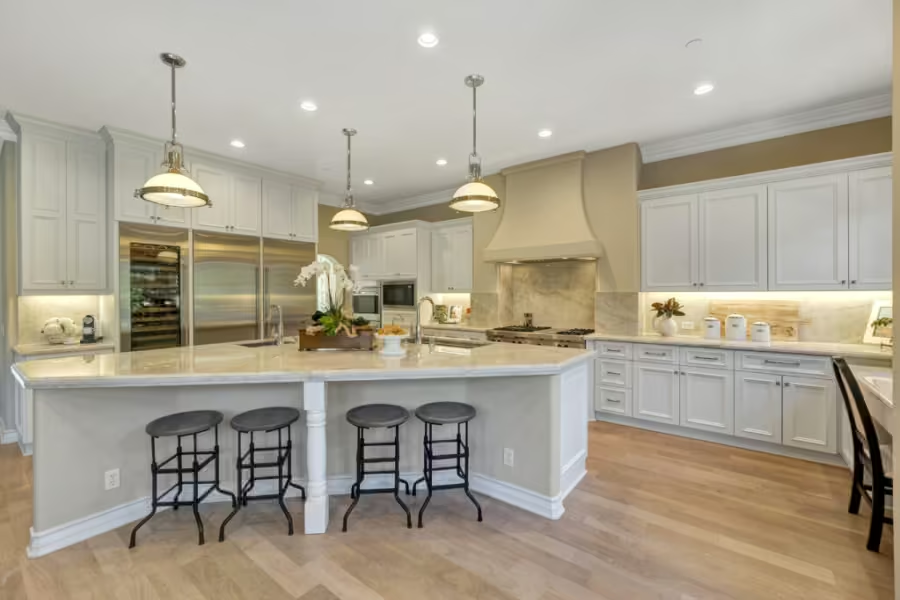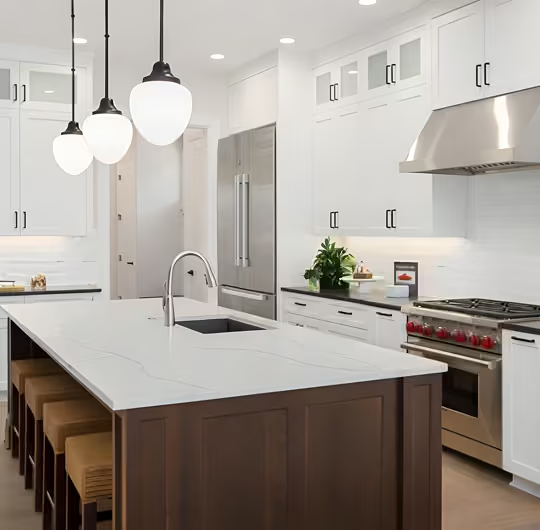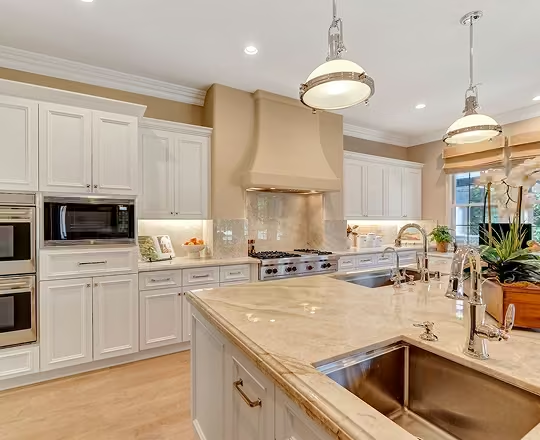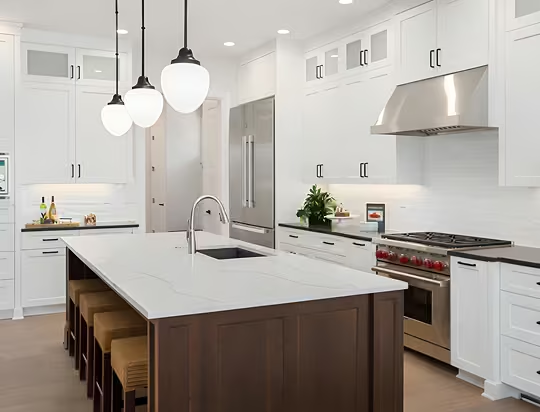
Cabinet doors are the most visible surface in any kitchen. They cover more square footage than the backsplash, countertops, or flooring, which means the door style you choose has an outsized impact on how the entire room feels.
There are dozens of door styles available, and each one communicates a different design direction. A shaker door reads differently than a raised panel, which reads differently than a slab. This guide walks through the most popular styles, explains which kitchen aesthetics each one supports, and covers the practical factors that should influence your decision.
A kitchen cabinet door style refers to the design of the visible front panel of a cabinet. It is defined by the shape of the frame, the profile of the panel (raised, recessed, or flat), and any decorative detailing. The door style sets the visual tone for the kitchen, while the material and finish determine durability and maintenance requirements.
What are The Most Popular Kitchen Cabinet Door Styles
| Cabinet Door Style | Description | Best For |
| Shaker | Shaker doors feature a four-piece frame surrounding a flat, recessed center panel. The lines are clean and simple, with no ornate detailing. This style remains the most widely used cabinet door in residential kitchens. | Modern, transitional, farmhouse, and traditional kitchens. A white painted shaker in a bright kitchen reads as modern, while warm wood stains make it feel more traditional. |
| Raised Panel | Raised panel doors have a center panel that sits higher than the surrounding frame, creating visible depth. The frame often includes beveled or contoured edges that add decorative detail. | Traditional, classic, and formal kitchens. Works well with crown molding, ornate hardware, and warm wood tones like cherry or mahogany. |
| Slab (Flat Panel) | Slab doors are completely flat with no frame, no panel variation, and no surface detailing. They create a smooth, uninterrupted surface that emphasizes clean lines. | Contemporary, modern, and minimalist kitchens. Ideal for high-gloss finishes, matte laminates, natural wood veneers, and handle-less hardware. |
| Recessed (Flat) Panel | Recessed panel doors feature a center panel that sits flush with or slightly below the frame, creating subtle depth. Similar to shaker doors but may include more refined frame profiles. | Transitional and traditional kitchens that need more detail than shaker doors without the ornamentation of raised panel designs. |
| Beadboard | Beadboard doors feature vertical planks separated by small grooves (beads), creating texture and a relaxed, informal character. | Farmhouse, cottage, coastal, and country-style kitchens. Often used as accents on islands, pantry sections, or throughout the kitchen. |
| Glass-Front | Glass-front doors replace the solid center panel with glass, allowing cabinet interiors to remain visible. Glass options include clear, frosted, seeded, and textured varieties. | Traditional, transitional, and modern kitchens that want to display dishes or glassware. Most commonly used for upper cabinets or accent sections. |
| Arched (Cathedral) | Arched doors feature a curved top on the center panel, creating a decorative and ornate appearance. The arch can be subtle or pronounced depending on frame design. | Traditional, French country, and Mediterranean kitchens. Adds visual height and pairs well with decorative hardware and warm stained finishes. |
Matching Door Styles to Kitchen Design Aesthetics
| Design Aesthetic | Recommended Door Styles | Finish Suggestions |
| Modern / Contemporary | Slab, flat panel | High-gloss paint, matte laminate, natural wood veneer |
| Traditional / Classic | Raised panel, arched, glass-front | Warm stains (cherry, walnut), glazed finishes |
| Transitional | Shaker, recessed panel | Painted neutrals (white, gray, navy), light stains |
| Farmhouse / Cottage | Shaker, beadboard | White or cream paint, distressed or weathered finishes |
| Coastal | Beadboard, shaker | Soft blues, whites, light gray, natural wood tones |
| Mid-Century Modern | Slab, flat panel | Warm wood veneers (walnut, teak), two-tone combinations |
Overlay Types and How They Affect Appearance
Beyond the door style itself, the overlay changes the overall look:
- Full overlay: The door covers the entire face frame, leaving minimal gaps. This is the most popular choice for modern and transitional kitchens because it creates a clean, streamlined appearance.
- Partial overlay: The door covers part of the frame, leaving a visible border. This is common in traditional kitchens and standard on many stock cabinet lines.
- Inset: The door sits flush within the frame, creating a furniture-like surface. Inset construction is the most precise and typically most expensive option, associated with high-end traditional designs.
If you are comparing kitchen cabinet options at different price points, overlay type is one of the quickest indicators of quality and design intent.
Practical Factors to Consider
- Cost: Door style directly affects pricing. Slab and basic shaker doors are among the most affordable. Raised panel, arched, and inset doors cost more due to additional milling and precision. If budget is a concern, semi-custom cabinets typically offer a wider selection of door styles than stock lines without reaching custom-level pricing.
- Maintenance and Cleaning: Flat and smooth styles (slab, shaker) are the easiest to clean because there are fewer grooves where grease and dust collect. Raised panel, beadboard, and arched doors require more attention due to their detailed surfaces. For heavy-use kitchens, maintenance should be part of the decision.
- Durability: Solid wood doors are the most durable and can be refinished over time. MDF doors hold paint well and resist warping but are harder to repair if damaged. Thermofoil and laminate doors are budget-friendly but may peel in kitchens with high heat or humidity near the stove or dishwasher. For a deeper look at cabinet door materials, reviewing material options alongside style choices ensures you get both the look and the longevity you need.
- Hardware Pairing: Shaker and flat panel doors work well with both knobs and pulls in a range of finishes. Raised panel and arched doors pair best with traditional hardware profiles (cup pulls, antique-finish knobs). Slab doors look best with minimal or integrated hardware. Browse cabinet hardware options to see how different styles complement various door designs.
What are the Common Mistakes to Avoid When Choosing Cabinet Door Styles
- Following trends without considering longevity: Cabinet doors stay in your kitchen for 15 to 25 years. Classic profiles like shaker and raised panel have proven staying power. The 2026 kitchen color forecast can help identify which current trends have lasting appeal.
- Ignoring lighting: Raised panel and arched doors create shadows that look best in well-lit kitchens. Slab doors reflect light evenly and can make smaller or darker kitchens feel brighter.
- Picking a door style in isolation: Cabinet doors should work with the countertop, backsplash, flooring, and layout. Viewing samples together in the space (or using a kitchen design visualizer) prevents clashes that only become visible after installation.
- Overlooking how finish changes the style: The same shaker door looks dramatically different in white paint versus dark walnut stain. Always evaluate style and finish together.
Can You Mix Door Styles in One Kitchen?
Yes, and it is becoming increasingly common. A popular approach is to use one door style on the perimeter cabinets and a different style on the island. For example, shaker doors around the room with a slab-front island creates visual contrast without conflict. Another option is glass-front doors on upper cabinets and solid panel doors below.
The key to mixing styles successfully is keeping the finish palette consistent. Two different door profiles in the same color or complementary tones read as intentional. Two different profiles in two different colors can look disorganized unless the contrast is deliberate and well-balanced.
Final Thoughts
The right cabinet door style ties the rest of your kitchen design together. A well-chosen door makes countertops, hardware, and backsplash selections feel intentional rather than random. Start by identifying the overall aesthetic you want for the room, then narrow your options to the two or three door profiles that support that direction. From there, evaluate samples in your actual kitchen lighting and alongside your existing or planned finishes. A door that looks perfect in a showroom or on a screen can read very differently once it is surrounded by your floors, walls, and countertops. Taking that extra step before committing saves both money and regret.
FAQs
Broadly applicable styles like shaker and flat panel appeal to the widest range of buyers. Highly ornate or trend-driven styles may narrow your buyer pool. If resale matters, a timeless door profile in a neutral finish is the safest approach.
Yes. If your cabinet boxes are in good condition, cabinet refacing allows you to swap the doors and drawer fronts and apply a new finish to the frames at a significantly lower cost than full replacement.
They do not have to, but consistency creates a more cohesive look. If you want variation, the safest approach is to change the finish or color between uppers and lowers while keeping the door style the same.
Many cabinet providers offer sample doors you can view at home against your existing countertops and lighting. Online kitchen design tools also let you visualize different styles and finishes in a virtual layout before committing.
No. Shaker doors have been popular for over 150 years because their simplicity adapts to changing trends. Updating the paint color, hardware, or finish keeps shaker cabinets looking current without replacing the doors.