Kitchen color trends for 2026 reflect a shift toward warmth, restraint, and longevity. Instead of dramatic contrasts or trend-driven palettes, designers are favoring colors that feel intentional and adaptable. These emerging hues work across cabinetry, countertops, and finishes, offering flexibility for kitchens designed to evolve rather than follow short-term aesthetics.
What’s Influencing Kitchen Color Choices in 2026
Several design priorities are shaping current color decisions:
- Preference for spaces that feel calm and grounded.
- Greater attention to how color behaves under different lighting conditions.
- Interest in finishes that age well rather than stand out briefly.
- A move away from high-contrast, high-maintenance palettes.
Together, these factors have led to more nuanced color selections across kitchen surfaces.
Unexpected Kitchen Colors Gaining Traction in 2026
1. Muted Earth Greens
Soft greens such as olive, sage, and eucalyptus are becoming a foundation color for kitchens. These tones introduce warmth while remaining neutral enough to pair with wood, stone, or metal accents.
Designers often use these shades on lower cabinetry while keeping upper cabinets lighter, an approach commonly planned during kitchen remodeling projects where layout and color balance are considered together.
2. Warm Clay and Soft Terracotta
Clay-based hues like subtle terracotta, dusty rust, and muted peach are appearing in kitchens seeking warmth without visual heaviness. These colors are often applied to islands or accent cabinetry rather than full layouts.
They pair well with natural stone surfaces, which is why homeowners frequently coordinate these shades when updating countertops as part of a broader kitchen refresh.
3. Deep Blue-Grays with Soft Undertones
Rather than sharp navy or charcoal, designers are selecting blue-grays with warm undertones. These shades provide depth without overwhelming the space and work well in both modern and transitional kitchens.
Blue-gray cabinetry is often balanced with lighter counters and brushed metal hardware for a restrained contrast.
4. Taupe, Mushroom, and Warm Neutrals
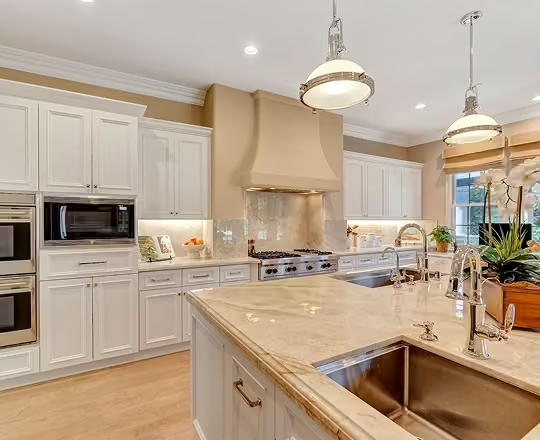
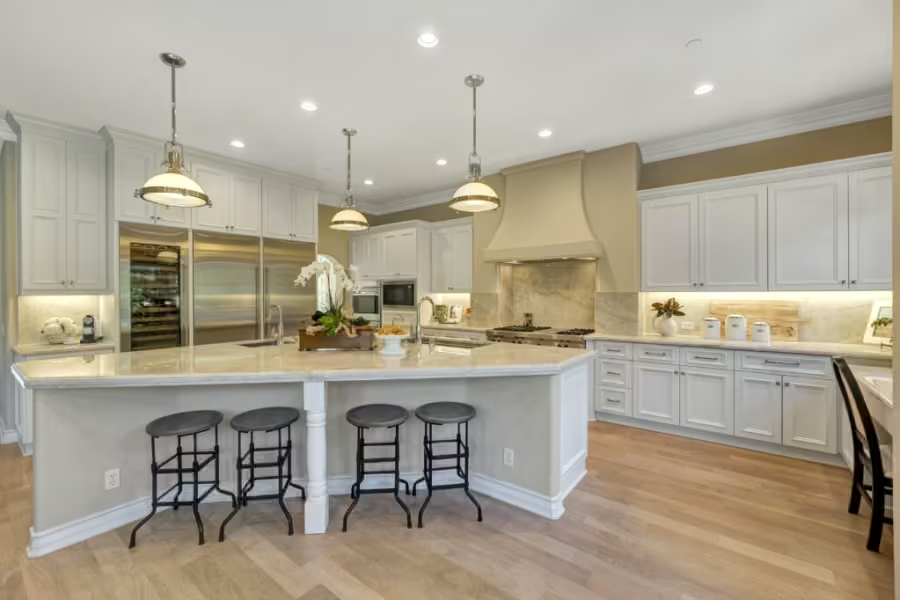
Neutral kitchens are evolving beyond beige and cool gray. Taupe and mushroom tones offer flexibility across changing styles and lighting conditions.
These colors are frequently chosen when updating existing cabinets with refreshed finishes, aligning well with approaches similar to cabinet refacing, where color selection plays a central role in modernizing without full replacement.
5. Soft Black with Natural Undertones
Pure black kitchens are being replaced by softer versions that include brown, green, or graphite undertones. These shades provide contrast while feeling more adaptable and less stark over time.
They are typically paired with lighter countertops or wood elements to maintain visual balance.
How Designers Are Applying Color in 2026 Kitchens
1. Two-Tone Cabinet Layouts
Color is increasingly used to define zones:
- Darker base cabinets with lighter uppers.
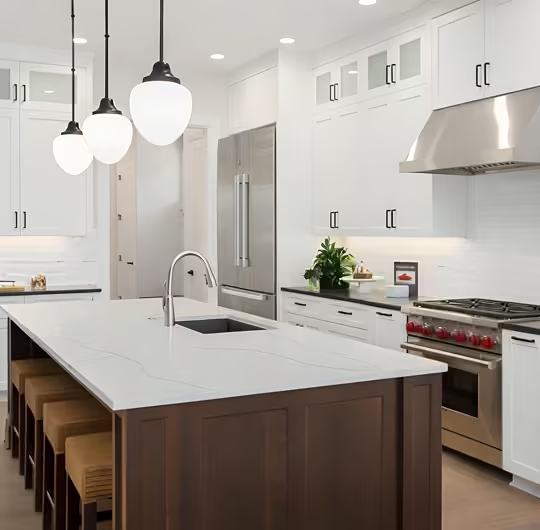
- Neutral perimeter cabinetry with a colored island.
- Accent colors applied to pantry or storage walls.
This approach adds depth without overwhelming the kitchen.
2. Color Introduced Through Material and Finish
Instead of relying solely on paint, designers are using:
- Tinted wood stains that reveal grain.
- Matte finishes that soften deeper hues.
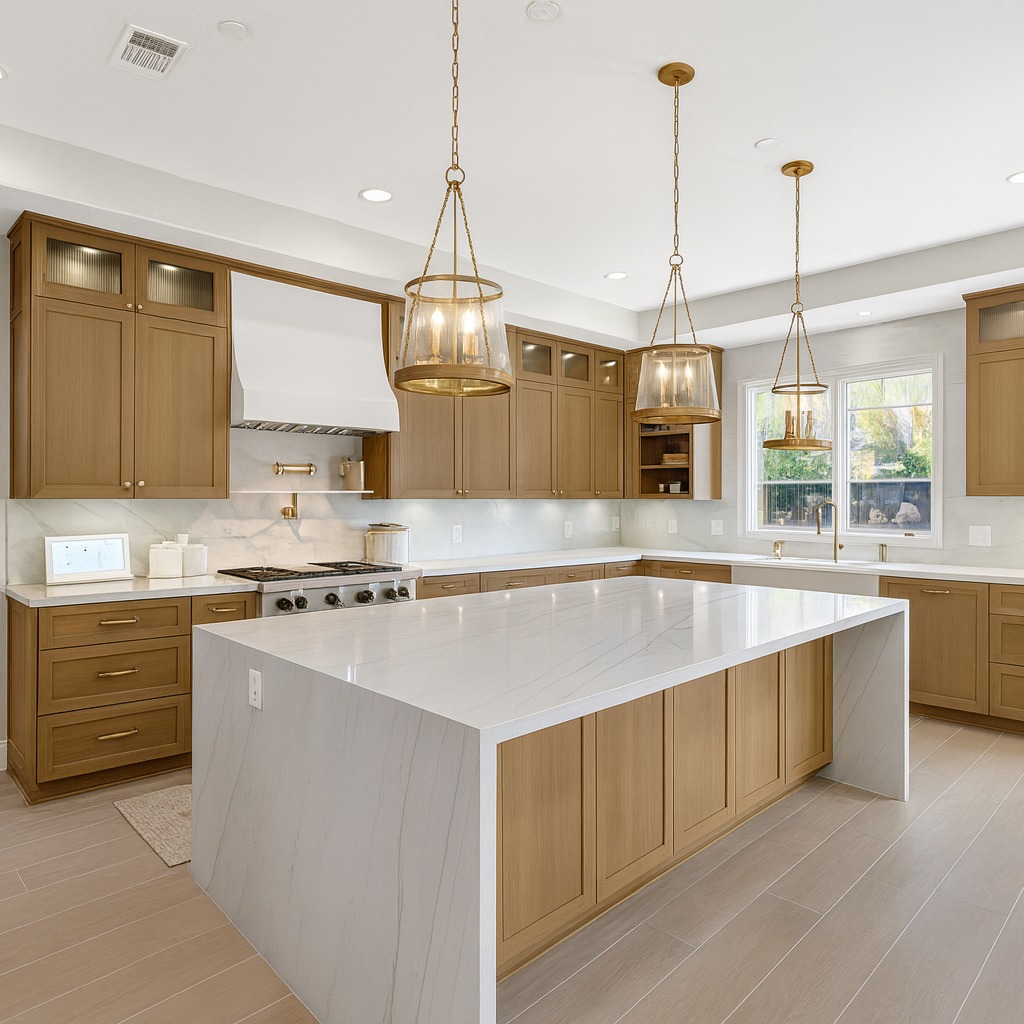
- Natural stone with subtle color variation.
These techniques help color feel integrated rather than applied.
3. Balanced Cabinet and Countertop Pairings
Countertops often act as a visual anchor. Designers choose surfaces that either:
- Calm bolder cabinet colors.
- Add contrast to neutral cabinetry.
Evaluating these elements together helps maintain consistency across the kitchen.
Practical Tips for Choosing Kitchen Colors That Last
Focus on undertones rather than surface color alone
- View samples in both natural and artificial light.
- Apply stronger colors to elements that are easier to update.
- Use timeless materials to balance trend-forward hues.
- Avoid overly saturated colors for large surface areas.
Final Thoughts
The 2026 kitchen color forecast emphasizes thoughtful restraint over bold statements. Designers are choosing hues that feel grounded, flexible, and compatible with a range of materials. Whether applied through cabinetry, countertops, or subtle accents, these colors are intended to remain relevant well beyond a single design cycle.
For further planning, reviewing how cabinetry, countertops, and finishes interact with color can help create a cohesive and adaptable kitchen design. Contact Mr. Cabinet Care today.