The kitchen has always been the heart of the home, but today it serves more purposes than ever before. It’s not just where meals are prepared, it’s a workspace, a study station, a place to entertain, and often the hub of family life. Modern kitchens are evolving to reflect this shift, blending function, style, and technology.
In this article, we’ll explore smarter kitchen design ideas that make your space work harder for you, whether you love cooking, need a spot to work or study, or want a kitchen perfect for entertaining.
Why Think About a Smarter Kitchen?
A smarter kitchen isn’t necessarily high-tech, it’s about creating a layout and design that works for your lifestyle. That might mean:
- Efficient work zones for cooking.
- Dedicated nooks for working from home or helping kids with homework.
- Flexible dining areas built into the kitchen.
- Smart appliances that save time and reduce waste.
- Layouts that make entertaining effortless.
Related Read: Kitchen Remodeling Ideas
How Can Kitchen Design Help Home Cooks?
For those who love cooking, a well-planned layout is essential.
- Prioritize workspace: Keep prep zones close to the sink, refrigerator, and stove. This “work triangle” minimizes steps while cooking.
- Make room for counter space: More surface area means more space for chopping, appliances, and mixing bowls.
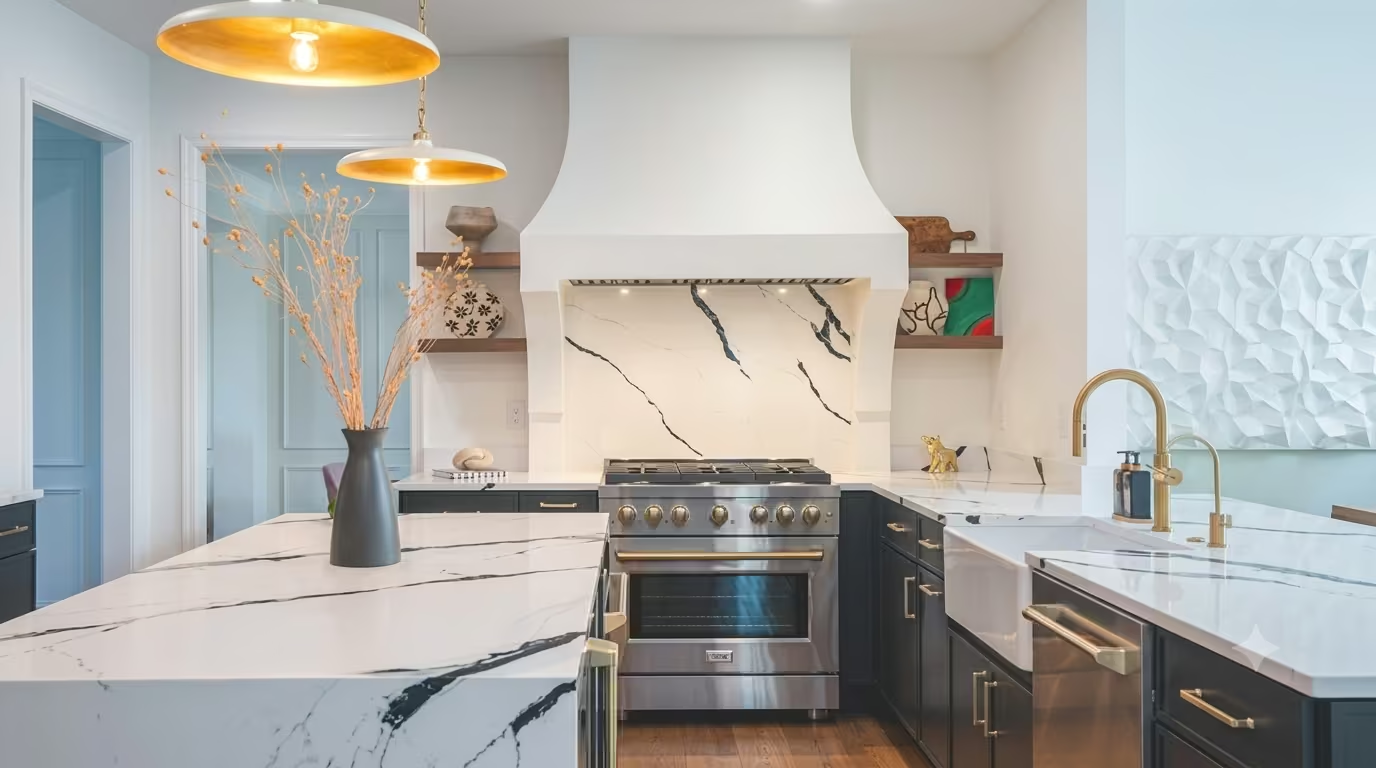
- Choose the right surfaces: Quartz is durable for everyday cooking, great for baking and requires no maintenance.
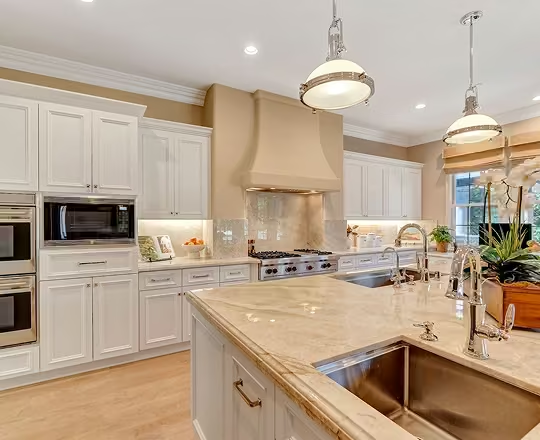
- Think about sinks: Double sinks or two separate sinks make it easier to juggle food prep and cleanup. Touchless faucets add extra convenience.
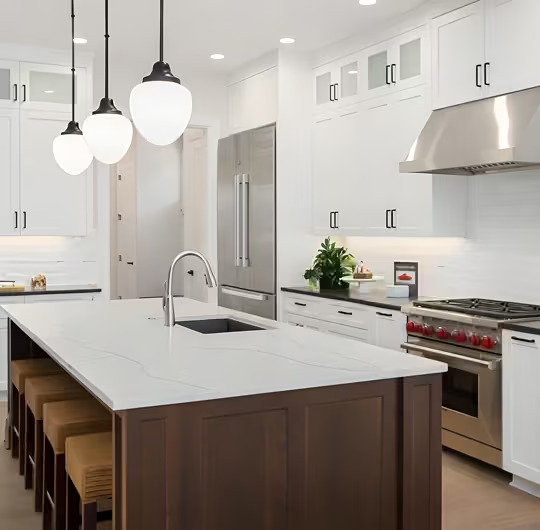
- Add social space: If you enjoy company while cooking, include an island with seating so family or friends can gather.
How Can Kitchens Be Designed for Entertaining?
Kitchens naturally attract guests, so designing for entertaining makes sense. Consider:
- Appliances for hosting: Professional ranges, warming drawers, or wine refrigerators make serving easier.
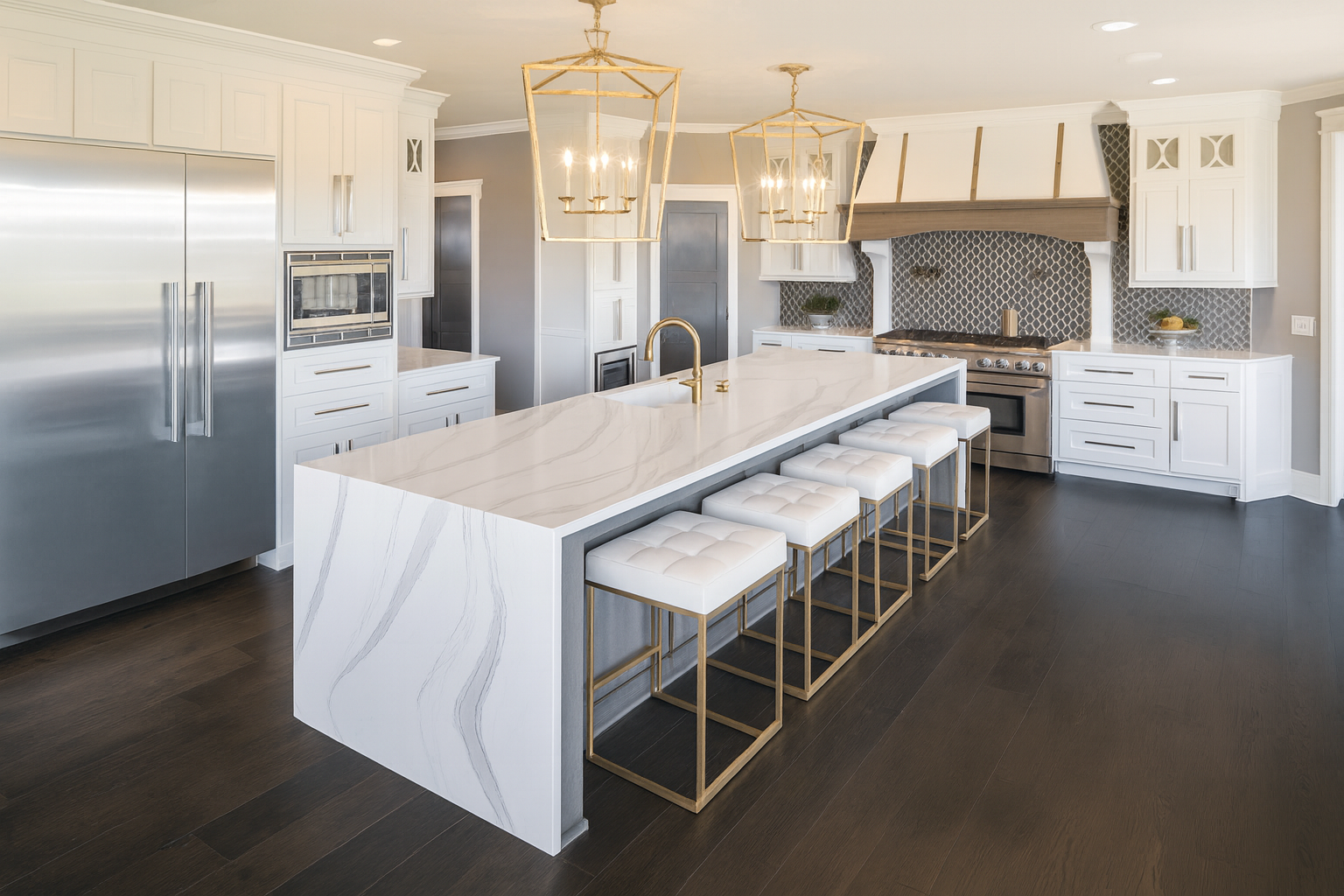
- Seating options: Large islands, raised counters, or stylish stools provide a spot for guests to gather.
- Dual dishwashers: Helpful if you often host large groups.
- Caterer-friendly spaces: A butler’s pantry or extra prep area keeps the main kitchen clear.
- Built-in media: If your gatherings revolve around events, a discreetly mounted TV can make the kitchen a social hub.
Can Kitchens Double as a Work-from-Home Space?
For many, the kitchen became a home office during the pandemic and with a little planning, it works surprisingly well.
- Use a corner: Add a small desk or floating shelves in an unused corner for a compact workstation.
- Repurpose a closet: Transform a pantry or alcove into a “cloffice” that can be closed off at the end of the day.
- Extend a counter: If space allows, add a countertop extension with seating for a laptop.
- Blend functions: Create a station that doubles as both kitchen storage and a desk area.
- Plan essentials: Outlets, lighting, and ergonomic seating make the space functional.
What About Study Stations for Kids?
Kitchen study spaces are popular for families who want to keep kids close during homework time.
- Integrate with cabinetry: A desk built into a run of cabinets keeps the look cohesive.
- Think vertically: Shelves above a small desk provide room for books and supplies.
- Use awkward spaces: Narrow corners or unused walls can become compact study spots.
- Extend countertops: Adding a desk-height section at the end of a counter makes a natural study nook.
How Can Eat-In Kitchens Be Designed Comfortably?
Many families prefer casual dining right in the kitchen. Options include:
- Island seating: Add stools or bench seating for everyday meals.
- Continuous surfaces: Place a dining table end-to-end with an island for extra seating.
- Style cohesion: Match dining furniture to your kitchen’s style — industrial, farmhouse, modern, or traditional.
- Defined spaces: Use lighting (like a chandelier over the table) or contrasting materials to visually separate the eating area.
- Breakfast nooks: Cozy built-in benches by a window create an inviting space.
What Role Do Smart Kitchens Play?
Smart technology is changing the way we cook, clean, and save energy.
- Connected appliances: Ovens that preheat via app, fridges with built-in cameras, and ranges that send cooking alerts.
- Cost savings: Sensors that adjust cooking power help reduce energy use.
- Eco-friendly choices: Smart plugs and energy-efficient appliances lower electricity consumption.
- Reducing food waste: Apps linked to smart fridges suggest recipes based on what’s inside.
A smart kitchen can be as simple as adding a few devices or as advanced as a fully connected space.
Final Thoughts
A kitchen designed with your lifestyle in mind makes daily life easier and more enjoyable. Whether your focus is on cooking, entertaining, working, studying, dining, or integrating smart technology, thoughtful design ensures your kitchen is both functional and welcoming.
The smartest kitchens aren’t about following trends — they’re about building a space that supports how you live every day.
If you are looking for more inspiration, explore our kitchen remodeling ideas or connect with a design expert to start planning a smarter kitchen tailored to your lifestyle.