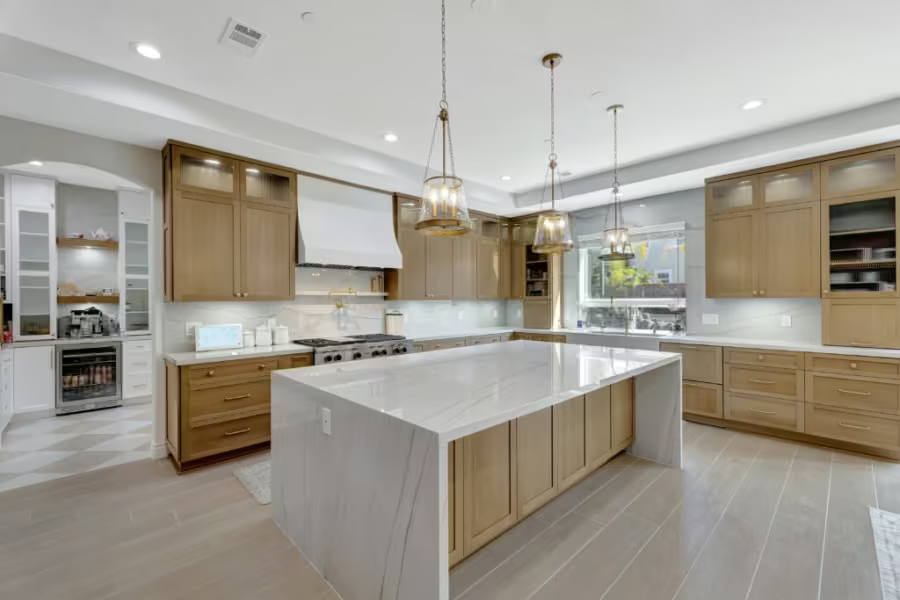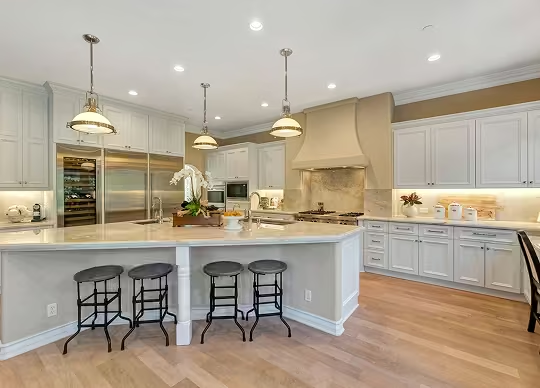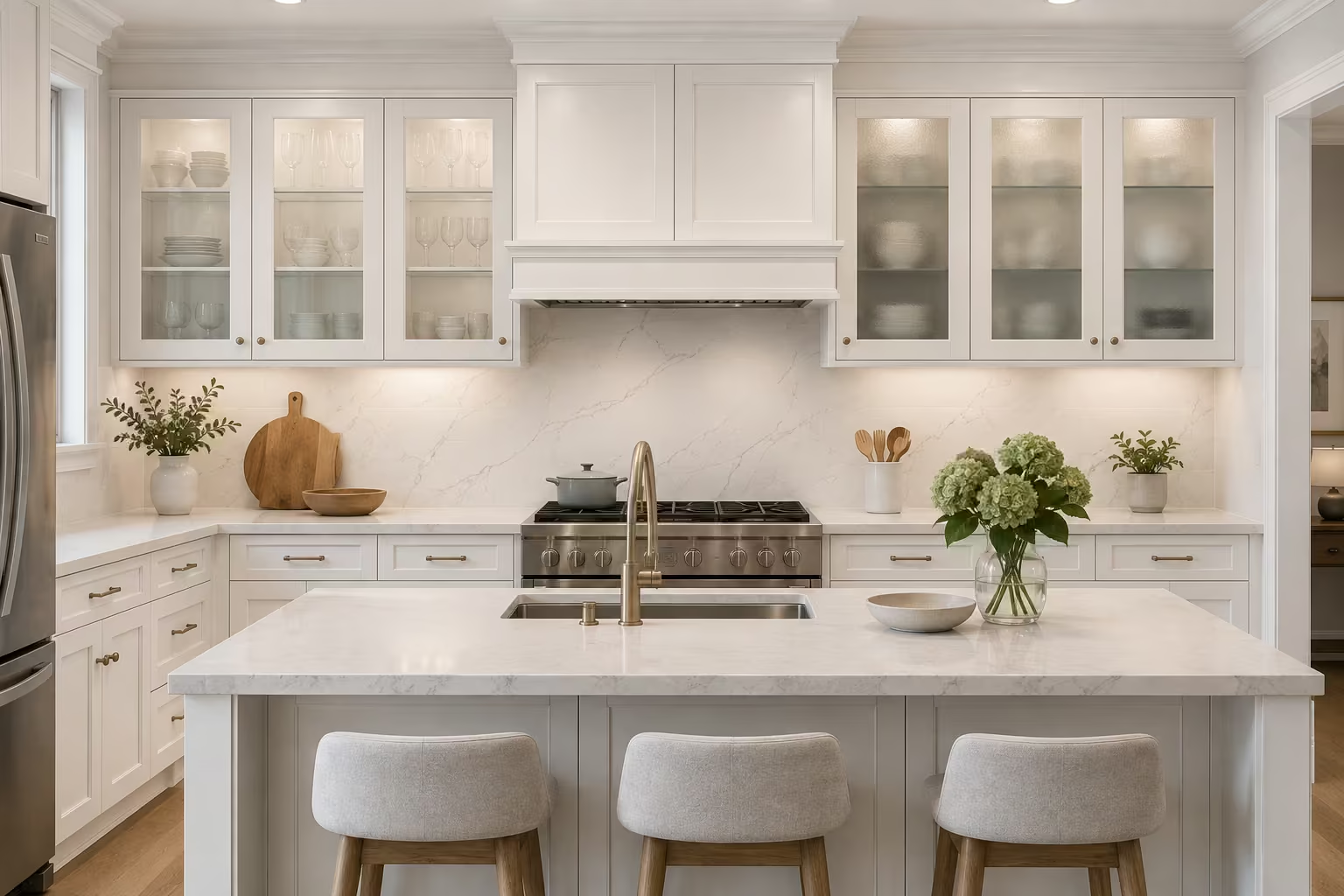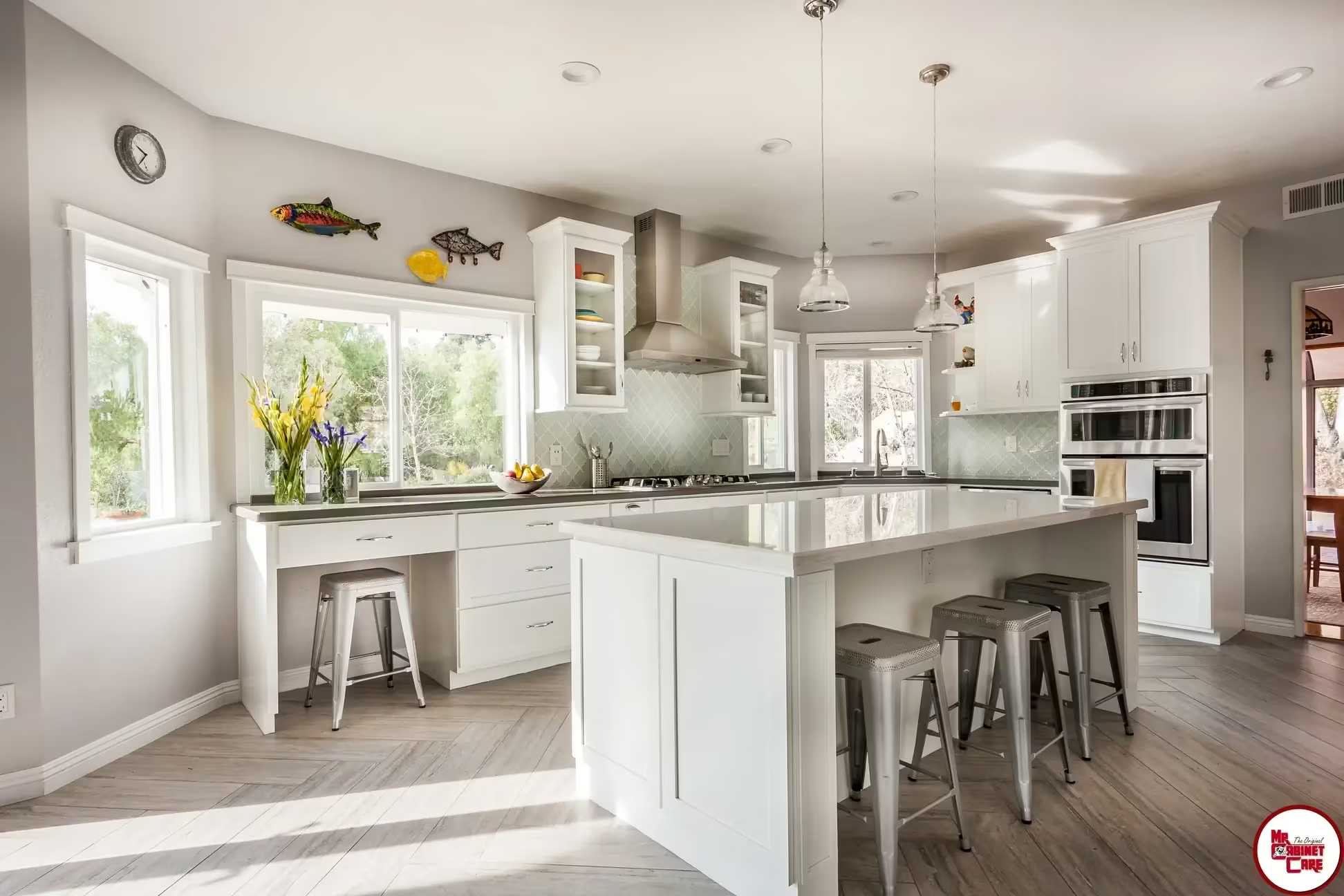
Cabinet door style has a significant effect on the overall look of a kitchen. Shaker and flat-panel cabinets are two widely used options, but they create distinctly different visual effects.
Shaker cabinets have a simple frame around a recessed center panel, giving the door some dimension. Flat-panel cabinets, also known as slab cabinets, have a smooth, uninterrupted front for a more streamlined appearance.
The right choice depends on the desired design, cleaning preferences, hardware, finishes, and how the cabinets fit with the rest of the kitchen.
What are Shaker Kitchen Cabinets?
Shaker cabinets feature a flat center panel surrounded by a simple frame. The design adds visual detail without the ornate elements found in more traditional cabinet styles.
Because of their relatively simple profile, Shaker cabinets can work across traditional, transitional, and contemporary kitchen designs. The overall appearance can change significantly depending on the cabinet finish, hardware, countertops, and surrounding materials.
Read More: Everything You Should Know About Shaker Style Kitchen Cabinets
What are Flat-Panel Kitchen Cabinets?
Flat-panel cabinets, also known as slab cabinets, have a single smooth surface without a framed or recessed center panel.
Their minimal profile works particularly well with modern, contemporary, and minimalist kitchens. The lack of detailing can also allow other elements, such as countertops, backsplash materials, lighting, and hardware, to become more prominent.
Read More: Flat-Panel Kitchen Cabinets
What is the Difference Between Shaker and Flat-Panel Cabinets?
The primary difference is the cabinet door profile. Shaker doors have a frame and recessed center, while flat-panel doors have a completely smooth surface.
| Feature | Shaker Cabinets | Flat-Panel Cabinets |
| Appearance | Simple with subtle dimension | Smooth and streamlined |
| Common design styles | Traditional, transitional, contemporary | Modern, contemporary, minimalist |
| Cleaning | More edges and corners | Smooth surface with fewer contours |
| Visual character | Adds some architectural detail | Creates an uninterrupted look |
| Hardware | Works with traditional and modern hardware | Pairs naturally with streamlined hardware |
| Design flexibility | Adaptable to different styles and finishes | Particularly suited to simple, modern designs |
Neither style is inherently better. The difference comes down to the level of detail and the overall design direction of the kitchen.
Which Cabinet Style is Easier to Clean?
Both Shaker and flat-panel cabinets can be maintained with routine cleaning, but their profiles create a small practical difference.
Shaker doors have additional edges and corners where dust or cooking residue can collect. Flat-panel doors have fewer contours, so their smooth surfaces are generally easier to wipe down.
This distinction may be more noticeable in kitchens that experience frequent cooking, spills, or fingerprints.
Which Cabinet Style Offers More Design Flexibility?
Shaker cabinets can adapt to a wider range of design directions because their profile sits between highly decorative and completely minimal.
A simple Shaker door can look traditional with certain finishes and hardware or more contemporary when paired with modern colors, countertops, and fixtures.
Flat-panel cabinets have a stronger minimalist character. They are particularly effective when a clean, uninterrupted cabinet surface is part of the overall design.
The finish and surrounding materials matter as much as the door profile. A kitchen cabinet material can change how either style looks within the finished space.
How Does Cabinet Style Affect Hardware Choices?
Both styles can accommodate a range of knobs and pulls.
Shaker cabinets work with everything from traditional knobs to modern bar pulls. Hardware can either complement the framed door or introduce contrast.
Flat-panel cabinets naturally pair with simple, streamlined hardware, although contrasting hardware can also become a deliberate design feature.
Hardware should be considered alongside the cabinet finish and other kitchen elements rather than selected independently.
View: Kitchen Cabinet Hardware
Do Shaker or Flat-Panel Cabinets Cost More?
Door style alone does not determine cabinet cost. The final price can be influenced by:
- Cabinet material
- Construction
- Finish
- Customization
- Cabinet layout
- Features and accessories
- Installation
Because of these variables, it is difficult to say that Shaker cabinets or flat-panel cabinets will always cost more. When comparing estimates, the complete cabinet specifications should be reviewed rather than the door style alone.
Can Shaker and Flat-Panel Cabinets Be Used Together?
Yes. Combining the two styles can create visual contrast and help distinguish different areas of a kitchen.
For example, Shaker cabinets can be used around the perimeter while flat-panel cabinets are used on an island. The difference in door profile can define separate zones without requiring completely different colors or materials.
For a cohesive result, the styles should have some visual connection through finishes, colors, hardware, or other materials.
What Should Be Considered Before Choosing a Cabinet Door Style?
The cabinet door is only one part of the overall kitchen design. Before making a selection, consider:
- The surrounding finishes: Countertops, backsplash, flooring, appliances, lighting, and hardware all contribute to the final appearance.
- The desired level of detail: Shaker doors introduce subtle dimensions, while flat-panel doors create a simpler visual field.
- Long-term preferences: A cabinet style should work with the overall design direction of the kitchen and remain suitable as other décor changes.
- The complete cabinet specification: Material, construction, finish, storage features, and installation can be just as important as the door style itself.
For a broader look at the decision-making process, see How to Choose Your Kitchen Cabinet Door Style.
Read More: How to Choose Kitchen Cabinet Door Styles
Final Thoughts
Shaker cabinets provide more visual detail, while flat-panel cabinets create a smoother, more minimalist look. Beyond the door profile, material, finish, hardware, layout, and overall kitchen design all affect the finished result. Comparing the complete cabinet options can help determine which style fits the space and the intended design.
FAQs
No. Their simple profile allows Shaker cabinets to work across traditional, transitional, and contemporary kitchen designs. The surrounding finishes and hardware have a significant influence on the final look.
Flat-panel cabinets are particularly common in modern, contemporary, and minimalist designs because of their smooth profile. Their appearance can still vary depending on the material, finish, hardware, and other elements used in the kitchen.
In some remodeling projects, yes. Door and drawer-front replacement may be possible when the existing cabinet boxes are in suitable condition and the new components can be matched to the existing dimensions and layout.
Yes. A Shaker door has a frame around a center panel, while a flat-panel door has a single smooth surface. The difference is relatively subtle compared with more ornate cabinet door styles.
Yes. The same door profile can create very different looks depending on its finish, color, material, hardware, and surrounding kitchen elements. This is one reason the door style should not be evaluated in isolation.