Kitchen remodeling trends in 2026 are focused on more than appearance. Homeowners are prioritizing warmer materials, smarter storage, functional layouts, personalized designs, and features that make the kitchen easier to use every day.
The biggest kitchen remodeling trends for 2026 include natural wood cabinetry, two-tone cabinets, organized storage, multifunctional islands, integrated appliances, layered lighting, expressive backsplashes, and kitchens designed around everyday life.
If you're planning a kitchen remodel, the best approach is to combine current design trends with practical choices that fit your home's layout, your lifestyle, and how you expect to use the space for years to come.
What are the Biggest Kitchen Remodeling Trends for 2026?
The biggest kitchen remodeling trends for 2026 emphasize warmth, functionality, organization, and personalization. Popular directions include natural wood cabinetry, two-tone cabinets, smarter storage, multifunctional kitchen layouts, functional islands, integrated appliances, layered lighting, expressive backsplashes, and designs tailored to everyday life.
The strongest kitchen remodels balance current trends with timeless materials and practical features that can continue to work well as your needs change.
Read More: Kitchen Remodeling Guide
1. Warmer Kitchen Designs Are Replacing Cold, Sterile Spaces
For years, bright white and cool gray kitchens dominated remodeling projects. While these colors remain popular, kitchen design is becoming warmer and more layered in 2026.
Natural wood tones, warm neutrals, earthy colors, and mixed materials can make a kitchen feel more comfortable and lived-in. Homeowners can introduce warmth through:
- Natural wood accents
- Warm-toned flooring
- Brass or bronze hardware
- Wood shelving
- Earthy backsplashes
- Warm neutral paint colors
The goal is to balance lighter cabinetry with warmer materials and contrasting elements rather than create an entirely white space.
Should You Avoid White Cabinets?
Not necessarily. White cabinets remain versatile because they work with a wide range of countertops, backsplashes, hardware, and flooring. In 2026, homeowners are increasingly pairing white cabinetry with natural wood, warmer finishes, and contrasting accents rather than creating an entirely white kitchen.
Read More: Are White Kitchen Cabinets Right for Your Kitchen?
2. Natural Wood Cabinetry Is Making a Comeback
Natural wood cabinetry is receiving renewed attention because it adds warmth, texture, and visual character.
Depending on the wood species, grain, stain, and cabinet style, natural wood can work in traditional, transitional, contemporary, or modern kitchens.
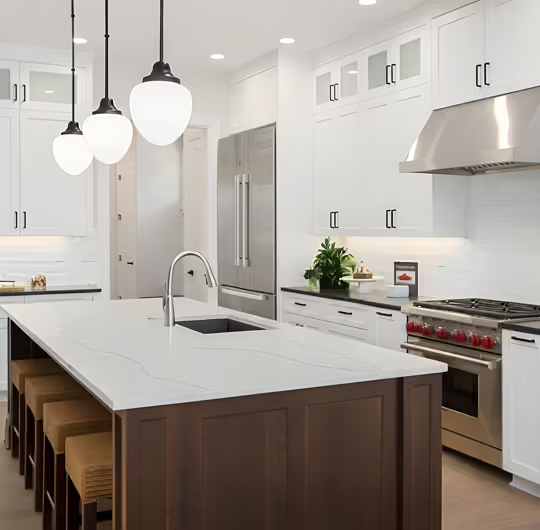
For example, painted perimeter cabinets paired with a natural wood island can create contrast while keeping the overall design balanced. When choosing wood cabinetry, consider grain pattern, finish, durability, and how the wood works with the rest of the kitchen.
3.Two-Tone Kitchen Cabinets Add Contrast Without Overcomplicating the Design
Two-tone cabinetry gives homeowners a way to add visual interest without using an overly dramatic color scheme. A common approach is to use one finish for the perimeter cabinets and another for the island.
Common combinations include:
| Cabinet Area | Possible Finish |
| Perimeter cabinets | White or warm neutral |
| Kitchen island | Natural wood |
| Upper cabinets | Light neutral |
| Lower cabinets | Deeper color |
| Pantry or specialty area | Contrasting finish |
A contrasting island or cabinet finish can create a focal point while keeping the overall kitchen cohesive.
Read More: How to Choose Kitchen Cabinets
4. Smarter Kitchen Storage Is Becoming a Priority
A beautiful kitchen can quickly become frustrating when everyday items have nowhere to go. That's why storage and organization continue to be major kitchen remodeling priorities in 2026.
Instead of simply adding more cabinets, homeowners are thinking about how each cabinet will be used and how everyday items can stay accessible without creating countertop clutter.
Useful storage features can include:
- Deep drawers for pots and pans
- Pull-out pantry storage
- Tray and baking-sheet dividers
- Built-in cabinet organizers
- Appliance garages
- Waste and recycling pull-outs
- Dedicated spice storage
- Hidden charging stations
- Pantry cabinets
- Coffee or beverage stations
Storage should be planned around how the kitchen is actually used, keeping frequently used items accessible while concealing small appliances, trash, recycling, and everyday clutter when they aren't needed.
Read More: Best Storage Solutions
5. Kitchens are Being Designed Around Daily Life
Today's kitchen often supports more than cooking, including working from home, family activities, entertaining, grocery storage, meal preparation, and everyday socializing.
That makes a flexible kitchen layout increasingly important. Instead of asking only, "What style of kitchen do I want?" homeowners should also ask, "How will I use this kitchen every day?"
The answer can influence the kitchen's layout, storage placement, lighting, outlets, seating, and appliance locations. A well-planned kitchen should support the activities that matter most to the people who use it.
6. Kitchen Islands Are Becoming More Functional
Kitchen islands remain an important part of many remodels, but the focus is shifting from simply making the island as large as possible to making it useful.
A kitchen island may provide:
- Food preparation space
- Seating
- Additional drawers and cabinets
- A secondary sink
- A cooking surface
- Dedicated outlets
- A gathering area
However, bigger isn't always better. An oversized island can restrict movement and make it harder to work efficiently around the kitchen. The island should fit the room while preserving comfortable pathways between major work areas.
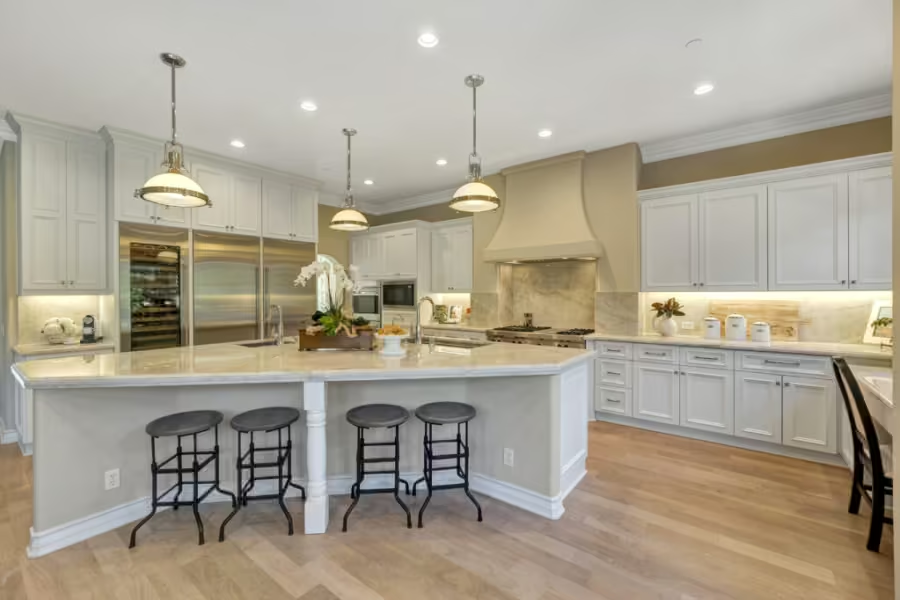
For smaller kitchens, a compact island or peninsula may provide many of the same benefits without overwhelming the space.
View More: Kitchen Islands
7. Integrated Appliances Create a Cleaner Look
Integrated appliances are gaining attention as homeowners look for cleaner, more cohesive kitchen designs. Panel-ready refrigerators and dishwashers, for example, can be concealed behind cabinet fronts to create a more continuous appearance. This approach can work particularly well in:
- Minimalist kitchens
- Kitchens with clean cabinet lines
- Transitional designs
- High-end contemporary kitchens
Integrated appliances can reduce visual clutter, but they require careful planning and may involve different costs than standard appliances.
8. Layered Kitchen Lighting Is Replacing One-Source Lighting
Lighting can dramatically affect how a kitchen looks and functions. In 2026, homeowners are increasingly thinking about lighting in layers rather than relying on a single overhead fixture. A well-planned kitchen may combine:
- Ambient lighting: Provides general illumination throughout the room.
- Task lighting: Illuminates work areas such as countertops, sinks, and cooking surfaces.
- Accent lighting: Highlights cabinets, shelving, architectural details, or decorative features.
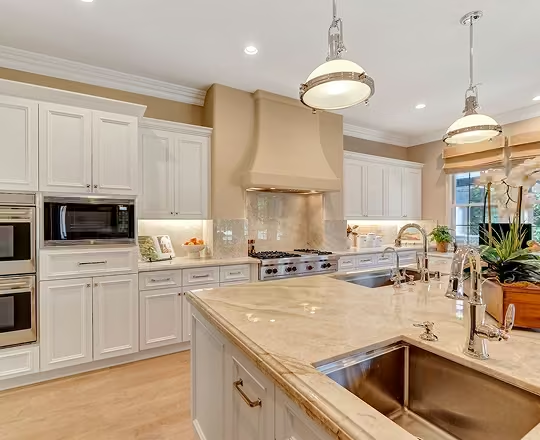
Under-cabinet lighting is particularly useful because it can illuminate countertop workspaces without creating harsh shadows. The lighting plan should be developed alongside the cabinet layout and overall kitchen design rather than added as an afterthought.
View More: Kitchen Lighting Solutions
9. Backsplashes Are Becoming More Expressive
Backsplashes are increasingly being used as a design feature, giving homeowners an opportunity to introduce color, texture, pattern, or natural materials without changing the entire kitchen. Popular options can include:
- Large-format slabs
- Natural stone
- Quartz
- Handmade-look tile
- Patterned tile
- Full-height backsplashes
- Textured materials
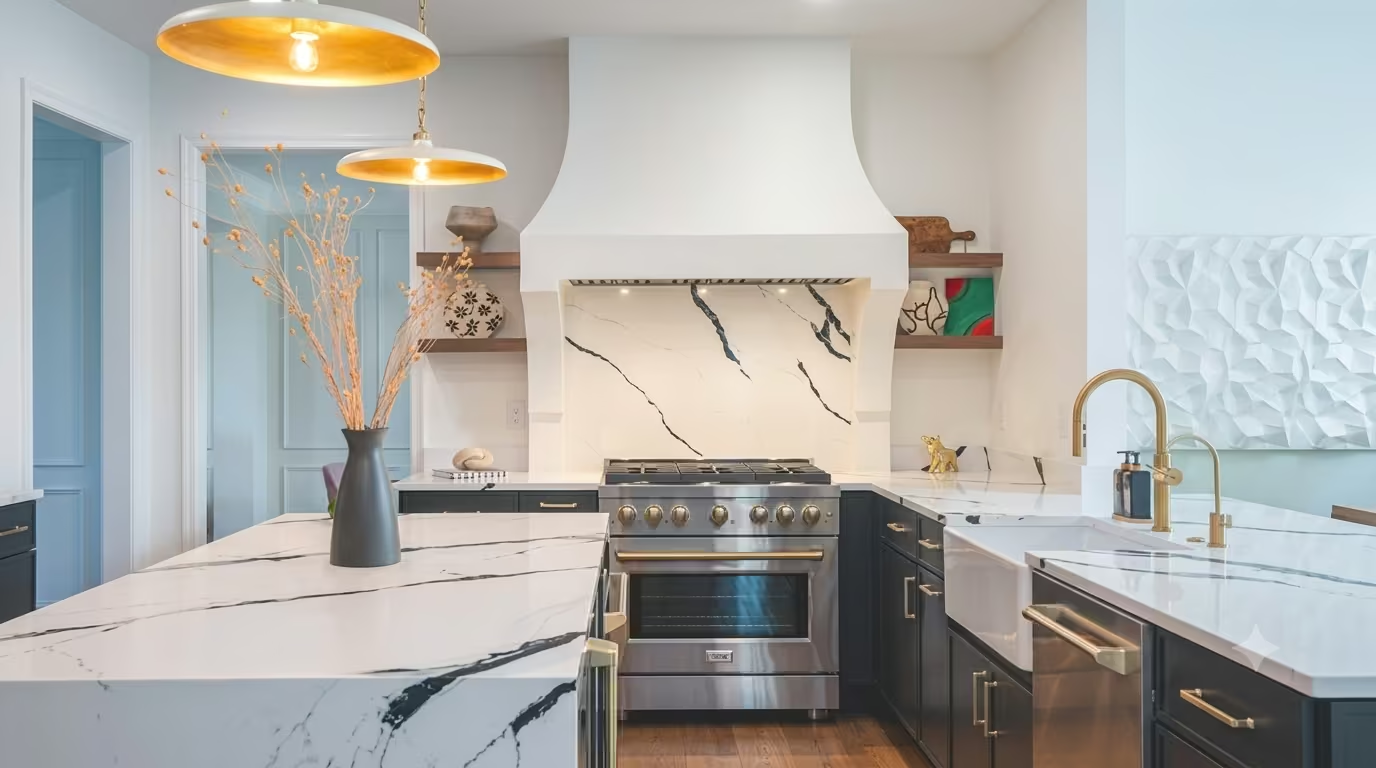
An expressive backsplash can work particularly well when the cabinets and countertops are relatively simple. If you choose a bold backsplash, balance is important so that multiple patterns and finishes do not make the kitchen feel visually crowded.
View More: Kitchen Backsplash
10. Personalization Matters More Than Following a Single Style
There isn't one "correct" kitchen style for 2026. Homeowners are increasingly combining different materials, finishes, and design elements to create kitchens that reflect their preferences and lifestyles.
For example, a kitchen might combine Shaker-style cabinetry with modern hardware, natural wood accents, contemporary lighting, and a traditional countertop.
Trends can provide inspiration, but cabinet layout, storage, appliance placement, and everyday use should ultimately drive the design. Consider how much storage you need, how often you cook, whether you entertain, how many people use the kitchen, and which appliances you use most.
Which 2026 Kitchen Trends are Worth Investing In?
Not every trend needs to become a permanent part of your kitchen.
| Long-Term Choices | Easier-to-Change Choices |
| Cabinet layout | Wall color |
| Cabinet quality | Decorative accessories |
| Storage configuration | Lighting fixtures |
| Countertop material | Hardware |
| Kitchen island design | Bar stools |
| Appliance placement | Small décor elements |
| Electrical planning | Textiles |
Invest more carefully in elements that are expensive or disruptive to replace, such as cabinet layouts, storage configurations, countertops, appliance placement, and electrical planning. Trend-driven choices can be introduced through easier-to-change elements such as hardware, paint, lighting, and décor.
Before finalizing a trend for your remodel, ask:
- Will this improve how I use the kitchen?
- Will I still like it several years from now?
- Does it work with the home's overall design?
- Is it practical to maintain?
- Would I choose it if it weren't currently trending?
The best kitchen remodel is not necessarily the one that follows the most trends. It is the one that combines current design ideas with the home's architecture, the homeowner's lifestyle, and long-term priorities.
Related Read: Most Popular Kitchen Features to Consider in 2026
Final Thoughts
The biggest kitchen remodeling trends of 2026 focus on warmer materials, smarter storage, functional layouts, personalized designs, and features that make everyday life easier.
Natural wood cabinetry, two-tone cabinets, functional islands, integrated appliances, layered lighting, expressive backsplashes, and better organization can all contribute to a more comfortable and practical kitchen.
The most important decision is not which trend is newest, but which improvements will work well for your home, lifestyle, and long-term needs
FAQs
Yes. White kitchens remain versatile and timeless, but homeowners are increasingly pairing white cabinetry with natural wood, warmer materials, contrasting islands, and expressive finishes.
Yes. Natural wood cabinetry is receiving renewed attention because it adds warmth, texture, and visual character. Wood can be used throughout the kitchen or selectively on an island or accent cabinetry.
Popular cabinet trends include natural wood finishes, two-tone cabinetry, clean-lined door styles, improved interior organization, and cabinet configurations designed around specific storage needs.
Yes, but functionality is more important than size. An island should provide useful workspace, storage, seating, or other benefits without making the kitchen difficult to navigate.
Use long-lasting materials and layouts for major remodeling decisions, then introduce trendier elements through easier-to-change features such as hardware, paint, lighting, décor, and accessories. This makes it easier to update the kitchen as preferences change.