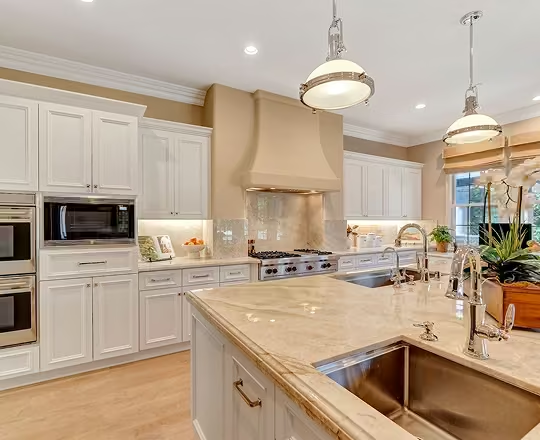
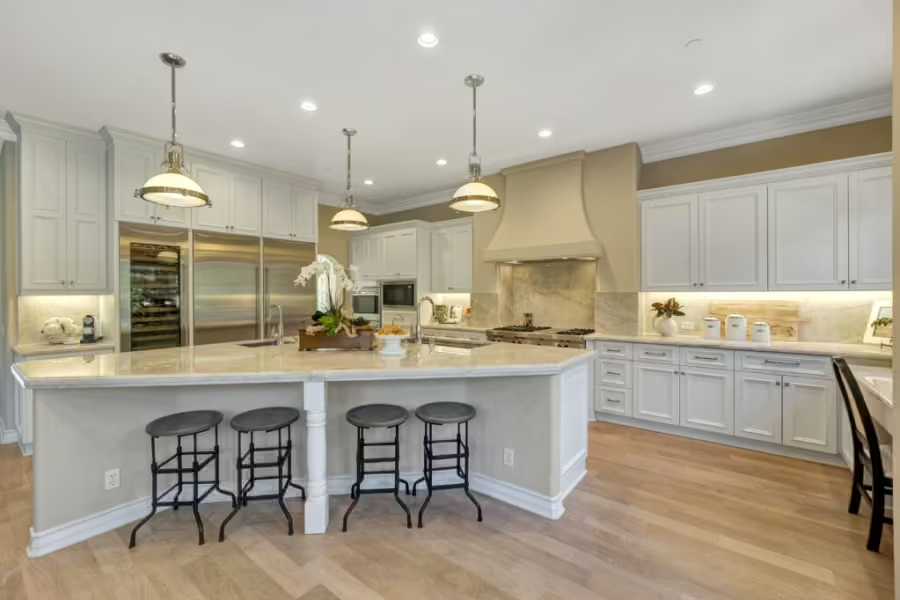
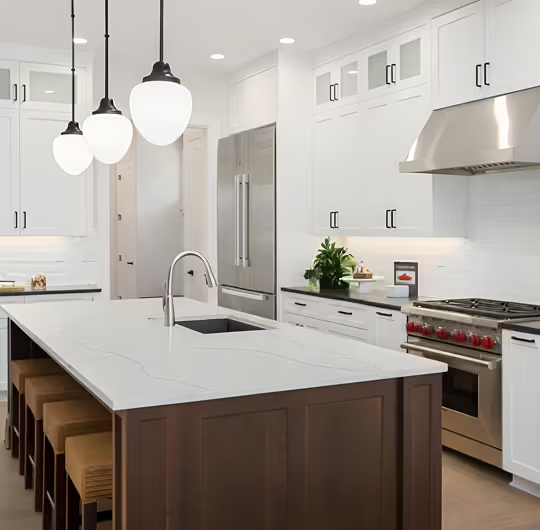
Kitchen lighting is about more than just visibility, it sets the mood, improves functionality, and transforms your space. From under-cabinet lighting that brightens prep areas to bold statement pendants that define your style, the right mix of lighting can make your kitchen safer, more efficient, and more beautiful.
This blog brings together everything you need to know about types of kitchen lighting, finishes, popular trends, installation tips, and under-cabinet options so you can choose fixtures with confidence.
Why Does Kitchen Lighting Matter So Much?
Lighting impacts how you cook, gather, and enjoy your kitchen. The right fixtures do more than illuminate; they:
- Improve safety by reducing shadows in prep areas.
- Enhance design by highlighting cabinetry, flooring, and backsplashes.
- Change perception of space, making small kitchens feel bigger or adding warmth to larger layouts.
Think of lighting as the finishing touch that brings your kitchen design to life.
What are the Main Types of Kitchen Lighting?
Every well-designed kitchen uses a blend of lighting layers:
- Ambient Lighting: The overall illumination (ceiling fixtures, recessed lighting).
- Task Lighting: Directs light to work zones like counters, islands, and sinks.
- Accent Lighting: Adds drama and style, highlighting features like open shelving or artwork.
Pro Tip: Aim for a combination of all three to balance function and aesthetics.
Is Under-Cabinet Lighting Worth It?
Absolutely. Under-cabinet lighting eliminates shadows on countertops and creates a warm, inviting glow. It’s one of the most cost-effective upgrades you can make.
Popular options include:
- LED Strips: Flexible, slim, and energy-efficient.
- Puck Lights: Small round fixtures, great for spot illumination.
- Light Bars: Even distribution across the entire counter.
What are the Do’s and Don’ts of Under-Cabinet Lighting?
Do’s:
- Do use warm-to-neutral light (3000K–4000K) for natural visibility.
- Do install dimmers for flexibility.
Dont’s:
- Don’t place fixtures too far back; light should hit the counter, not the wall.
- Don’t use bare LED tape — diffused fixtures look cleaner and reduce glare.
How Can LED Lights Change Your Kitchen?
LEDs have revolutionized kitchen design. Compared to traditional bulbs, they:
- Use up to 80% less energy.
- Last far longer (often 25,000+ hours).
- Come in customizable color temperatures and dimmable options.
Fit a range of fixtures - strips, bars, pendants, recessed cans.
Result: a greener, brighter, and more cost-effective kitchen.
What Lighting Trends are Popular Right Now?
If you’re updating your kitchen, here are today’s standout lighting trends:
- Natural Materials: Rope, wood, and linen fixtures add warmth.
- Circular Designs: Rings, globes, and circular chandeliers are modern favorites.
- Crystal Chandeliers: Add elegance and luxury, even in contemporary kitchens.
- Mini Pendants: Hung in groups above islands for maximum impact.
- Layered Lighting: A mix of ambient, task, and accent lighting for depth.
How Do You Achieve a Minimalist Lighting Look?
Minimalist kitchens thrive on simplicity, clean lines, and light balance. To get the look:
- Use recessed or track lighting for a clutter-free ceiling.
- Choose slim pendants instead of bulky fixtures.
- Stick with warm white tones for a calming effect.
- Avoid fluorescent lighting, which feels harsh and dated.
How Do You Choose the Right Fixtures for Your Kitchen Style?
Lighting is also a design statement. Match your fixtures to your overall kitchen style:
- Traditional: Chandeliers, ornate pendants, or classic lanterns.
- Contemporary: Sleek, geometric shapes and sculptural lighting.
- Transitional: A balance of clean lines with warm finishes.
- Retro/Mid-Century: Schoolhouse pendants, Sputnik chandeliers, orb designs.
Mixing styles? Transitional lighting offers the flexibility to bridge old and new.
What Should You Consider Before Installing Kitchen Lighting?
Before you buy, think through placement and practicality:
- Power Supply: Plan outlets and wiring with an electrician.
- Placement: Pendants should hang 30–36 inches above islands. Recessed lights should be spaced 4–6 feet apart.
- Dimmers: Allow you to adjust brightness for cooking, dining, or entertaining.
- Color Temperature: Neutral white (around 3500K) balances warmth and clarity.
Final Thoughts
The best kitchen lighting is a mix of practicality and style. By combining ambient, task, and accent lighting with the right finishes and placement, you can create a kitchen that’s safe, efficient, and visually stunning. Whether you prefer classic under-cabinet lighting, bold statement pendants, or minimalist recessed lights, your choices will shape how your kitchen feels every day.