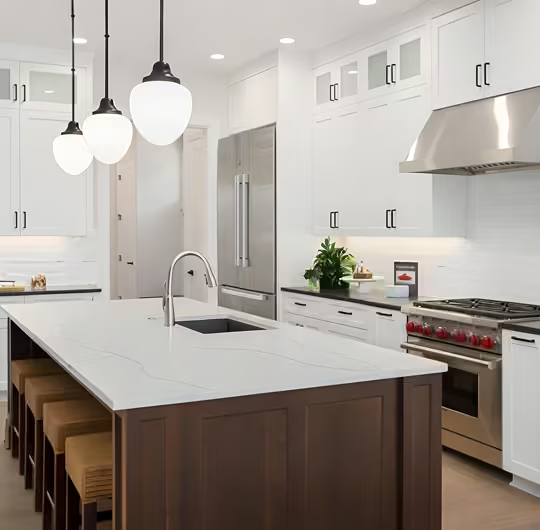
The kitchen is one of the most important spaces in your home. Over time, however, it may lose its charm or fail to meet your evolving needs. Whether you're aiming to increase your home's value, improve daily functionality, or enhance visual appeal, a well-planned kitchen renovation offers long-term advantages.
This guide explores the most compelling reasons to invest in a kitchen remodel, budget considerations, and a step-by-step planning process to help you get started.
Key Reasons to Consider a Kitchen Renovation
A kitchen renovation is more than just a cosmetic update. It can solve practical problems, address safety concerns, and contribute to your home's overall efficiency and resale value. Here’s why many homeowners see it as a smart investment:
-
- Increased Property Value: A modern, updated kitchen can significantly raise your home’s resale price.
- Improved Daily Functionality: Better layout and space planning lead to a more enjoyable cooking and hosting experience.
- Upgraded Design and Comfort: New cabinetry, countertops, and fixtures enhance visual appeal and usability.
- Energy Efficiency: Replacing outdated appliances can reduce long-term utility costs.
Benefits of Upgrading Your Kitchen
1. Improved Functionality and Layout
Outdated or inefficient kitchen layouts can slow down your daily routine. Renovations allow you to optimize the space with better appliance placement, more counter space, or an open-concept design for improved workflow and social interaction.
2. Enhanced Safety Features
Older kitchens often have safety hazards like poor lighting, outdated electrical systems, or slippery floors. A renovation offers the opportunity to install slip-resistant flooring, upgrade circuits, and improve overall safety, especially for households with children or elderly family members.
3. Optimized Storage Solutions
A smart renovation introduces creative storage enhancements like pull-out drawers, lazy Susans, vertical shelving, or hidden compartments making it easier to maintain an organized, clutter-free kitchen.
4. Energy Efficiency and Cost Savings
Swapping out inefficient appliances, lighting, and fixtures can lead to meaningful energy savings. Look for Energy Star-rated appliances and LED lighting to reduce your carbon footprint and utility bills.
Budget-Friendly Kitchen Renovation Strategies
Contrary to popular belief, a kitchen renovation doesn’t always require a large budget. Here are practical ways to keep costs manageable:
- Retain the existing layout to avoid major plumbing or electrical changes.
- Reface rather than replace cabinets.
- Choose mid-range materials with durability and style.
- Handle light demolition or painting tasks yourself.
- Work with professionals on core upgrades and planning.
Being budget-conscious doesn’t mean compromising on quality. Strategic planning allows you to renovate effectively at various price points.
A Step-by-Step Guide to Planning Your Renovation
Renovating your kitchen can feel overwhelming without a clear plan. Here’s a structured approach to help you get started:
1. Define Your Budget and Priorities
Set a clear budget that aligns with your goals. Decide what’s most important, whether it's new appliances, improved layout, or updated materials, and allocate accordingly.
2. Design a Functional Layout
Consider traffic flow, placement of major appliances, and how the space will be used. The goal is to create a layout that improves efficiency and enhances the cooking experience.
3. Select Durable, Low-Maintenance Materials
Choose materials that offer both aesthetic appeal and long-term durability. Popular options include quartz countertops, hardwood or tile flooring, and soft-close cabinetry.
4. Prepare for Demolition and System Upgrades
Demolition is the first major construction step. Be sure to plan for electrical and plumbing updates, especially if your layout is changing or you're adding new appliances.
5. Final Touches That Complete the Space
Paint, lighting, backsplashes, and hardware tie the entire space together. These finishing elements personalize your kitchen and elevate the overall design.
Kitchen Renovation vs. Kitchen Remodeling - What’s the Difference?
Though often used interchangeably, kitchen renovation typically refers to updates that improve or refresh the existing space, while kitchen remodeling involves more significant changes to the layout or structure. Renovation is about enhancing what’s there; remodeling often means reimagining the space entirely.
Read More: Kitchen Renovation vs. Kitchen Remodeling
Long-Term Advantages of a Kitchen Remodel
A completed kitchen renovation provides benefits that extend beyond appearance:
- Increased Resale Value: Kitchens are a key selling point for potential buyers.
- Better Use of Space: A thoughtfully designed kitchen supports daily efficiency.
- Visual Appeal: Modern finishes and materials update the feel of your home
- Comfort and Enjoyment: Renovations create a space that feels good to live in.
Whether you’re selling soon or staying for the long term, the value of a modern, functional kitchen is undeniable.
When to Hire a Professional Kitchen Renovation Company
While minor upgrades can be DIY-friendly, full-scale renovations often require expert knowledge. Here’s when it makes sense to call in professionals:
- Complex electrical or plumbing work.
- Custom cabinetry or countertop installation.
- Structural layout changes.
- Code compliance and permitting requirements.
- Design consultation and space planning.
Professional kitchen remodeling companies can also provide cost-saving recommendations, manage timelines, and help you avoid common renovation pitfalls.
Final Thoughts
Kitchen renovation is one of the most worthwhile home improvement projects you can undertake. It improves functionality, boosts resale value, and creates a space that reflects your lifestyle.
Whether you're working with a tight budget or planning a full-scale remodel, thoughtful planning and expert input can help you create a kitchen that meets both your needs and long-term goals.